
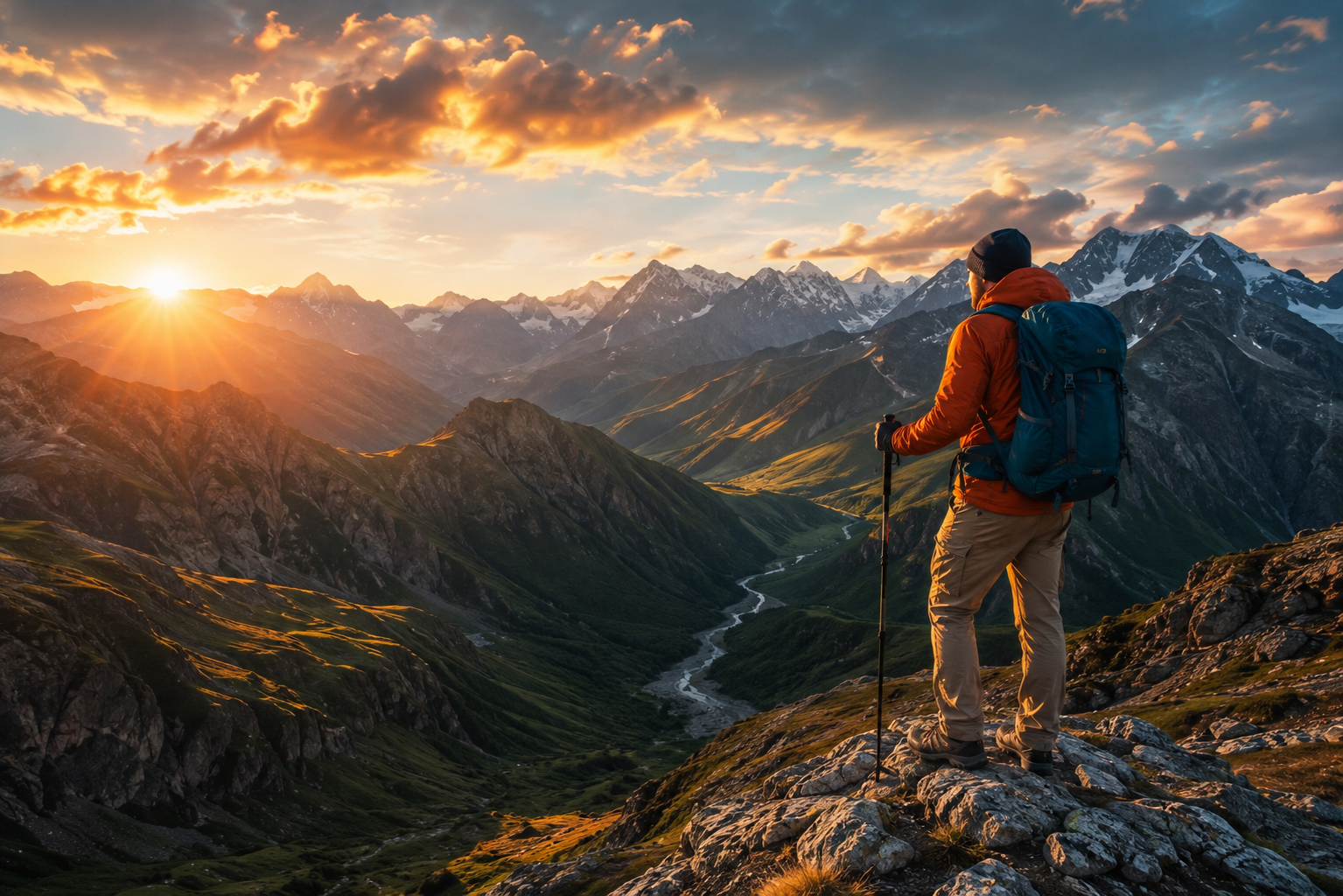

Picture standing at the edge of a cliff before a bungee jump, paddling through white-water rapids in a remote canyon, or trekking through dense jungle toward a mountain summit few people ever reach. For a growing number of travelers, this is not a once-in-a-lifetime stunt but a way of life. So what is adventure tourism, exactly, and why has it become one of the fastest-growing segments of the global travel industry? This guide breaks down everything you need to know, from its origins and various forms to its benefits, risks, and the destinations leading the movement today.
Adventure tourism sits at the intersection of exploration, physical challenge, and cultural immersion, offering travelers something far removed from a typical beach vacation or city sightseeing tour. It appeals to people who want their travel experiences to push them physically or mentally, connect them with nature, or expose them to unfamiliar environments and cultures. Understanding this niche of travel matters not just for adventurous individuals planning their next trip, but also for destinations and tourism boards trying to tap into a market that continues to expand year after year.
What Is Adventure Tourism?
Adventure tourism refers to travel that involves exploration or travel to remote, exotic, or physically demanding destinations, often combined with an element of perceived or real risk and requiring specialized skills or physical exertion. Unlike conventional tourism, which typically centers around relaxation, sightseeing, or entertainment, adventure tourism is built around active participation. Travelers are not simply observers of a destination; they are engaging with its landscape, climate, and culture in a hands-on way, whether that means climbing a mountain, diving into open water, or navigating unfamiliar terrain on foot or by bike.
The definition of adventure tourism is often broken down using three core elements: activity, natural environment, and cultural exchange. The activity component involves some form of physical engagement, ranging from moderate to extreme. The natural environment component emphasizes settings such as mountains, rainforests, deserts, or oceans rather than urban centers. Finally, the cultural exchange element reflects how many adventure trips involve meaningful interaction with local communities, traditions, and ways of life, adding depth beyond the physical activity itself. Together, these elements distinguish adventure tourism from other travel categories such as leisure tourism or business travel.
The History and Evolution of Adventure Tourism
While adventure travel might feel like a modern trend fueled by social media and bucket-list culture, its roots stretch back much further. Early forms of adventure tourism can be traced to nineteenth-century mountaineering expeditions, when wealthy travelers and explorers sought to summit peaks like the Matterhorn or explore uncharted regions of Africa and Asia. These early adventurers were often driven by scientific curiosity, national pride, or personal achievement rather than commercial tourism, but they laid the groundwork for the industry that exists today.
The modern adventure tourism industry began taking shape in the latter half of the twentieth century, as improvements in transportation, safety equipment, and outdoor gear made previously inaccessible activities available to a broader range of people. Commercial trekking companies, guided mountaineering expeditions, and organized white-water rafting trips emerged, transforming what was once reserved for elite explorers into an accessible travel category. Today, adventure tourism has grown into a multibillion-dollar global industry, supported by specialized tour operators, dedicated travel insurance products, and destinations that actively market themselves as adventure hubs.
Types of Adventure Tourism
Adventure tourism is generally divided into two broad categories that help travelers and operators classify experiences based on intensity and risk level. Understanding this distinction is useful for anyone trying to choose the right type of trip based on their fitness level, comfort with risk, and personal interests.
Hard Adventure Tourism
Hard adventure tourism refers to high-intensity activities that typically require significant physical fitness, technical skill, and often specialized training or certification. Examples include mountaineering at high altitudes, technical rock climbing, whitewater kayaking through challenging rapids, scuba diving in remote or deep locations, and extreme activities like BASE jumping or ice climbing. These experiences usually carry a higher degree of real physical risk and are generally pursued by travelers with prior experience or those willing to undergo guided training before attempting them.
Soft Adventure Tourism
Soft adventure tourism, on the other hand, involves activities that still provide excitement and a sense of exploration but require less technical skill and carry comparatively lower risk. This category includes guided hiking trips, wildlife safaris, zip-lining, horseback riding through scenic trails, and multi-day cycling tours. Soft adventure tourism has become especially popular among families, older travelers, and those new to adventure travel, since it offers an accessible entry point into the world of active, exploration-based tourism without requiring extensive preparation or specialized equipment.
Popular Adventure Tourism Activities
The range of activities that fall under the adventure tourism umbrella is remarkably diverse, reflecting the varied interests and skill levels of travelers drawn to this style of travel. Trekking and mountain climbing remain among the most iconic examples, with destinations like Nepal’s Everest Base Camp trail or Peru’s Inca Trail attracting thousands of trekkers each year who want to test their endurance while experiencing dramatic natural scenery. Water-based adventures such as white-water rafting, sea kayaking, and scuba diving offer a different kind of challenge, combining physical exertion with exposure to unique underwater or river ecosystems.
Beyond trekking and water sports, activities like wildlife safaris, mountain biking, paragliding, and canyoning have carved out significant followings within the adventure tourism community. Each activity tends to attract a slightly different demographic and skill level, yet all share the common thread of active engagement with a destination’s natural environment. Increasingly, tour operators also combine multiple activities into single itineraries, allowing travelers to experience a mix of trekking, rafting, and cultural excursions within one trip, which has helped make adventure tourism appealing to a wider audience than ever before.
Best Destinations for Adventure Tourism
Certain destinations have become globally recognized as premier locations for adventure tourism, largely due to their diverse landscapes, established infrastructure for outdoor activities, and reputation among experienced travelers. Nepal remains a cornerstone destination thanks to the Himalayas, offering everything from casual trekking routes to some of the most demanding mountaineering expeditions on the planet. New Zealand has similarly built its tourism identity around adventure, with bungee jumping, skydiving, and glacier hiking drawing visitors to both the North and South Islands.
Other notable destinations include Costa Rica, known for its rainforest zip-lining and volcano trekking, and Iceland, which offers glacier walks, ice cave exploration, and dramatic volcanic landscapes within a relatively compact geographic area. Patagonia, spanning parts of Argentina and Chile, has become a favorite among serious trekkers and mountaineers due to its remote wilderness and challenging terrain. These destinations succeed not only because of their natural features but also because they have invested in trained guides, safety infrastructure, and sustainable tourism practices that make adventure activities more accessible and secure for visitors.
Why Adventure Tourism Is Growing in Popularity
Several converging trends have fueled the rapid growth of adventure tourism over the past two decades. One major factor is a broader cultural shift toward experiential travel, where consumers increasingly prioritize memorable, meaningful experiences over material possessions or purely relaxation-focused vacations. Social media has amplified this shift significantly, as travelers share photos and videos of remote treks, dramatic landscapes, and adrenaline-fueled activities, inspiring others to seek out similar experiences for themselves.
Health and wellness trends have also played a role, as more travelers view physically active vacations as an opportunity to combine fitness goals with travel rather than treating exercise and vacation as separate pursuits. Additionally, improved accessibility, including better transportation links to remote regions, more affordable outdoor gear, and a growing number of licensed guides and tour operators, has lowered the barrier to entry for people who might not have previously considered themselves adventure travelers. Together, these factors have transformed adventure tourism from a niche interest into a mainstream travel category embraced by people of varying ages, fitness levels, and budgets.
Benefits of Adventure Tourism
Adventure tourism offers a range of benefits that extend well beyond the thrill of the activity itself. On a personal level, many travelers report significant mental and physical health benefits, including reduced stress, improved cardiovascular fitness, and a heightened sense of confidence that comes from overcoming physical or mental challenges in unfamiliar environments. The immersive nature of adventure travel also tends to foster stronger personal connections with nature, often leaving travelers with a deeper appreciation for conservation and environmental protection.
Beyond individual benefits, adventure tourism can play a meaningful role in local and regional economic development, particularly in rural or remote areas that might otherwise have limited access to mainstream tourism revenue. Trekking routes, guided expeditions, and adventure-based lodges often create employment opportunities for local guides, porters, and hospitality workers, channeling tourism income directly into communities that need it most. When managed responsibly, this form of tourism can support local economies while simultaneously incentivizing the preservation of natural landscapes that make these destinations appealing in the first place.
Risks and Safety Considerations in Adventure Tourism
While adventure tourism offers unique rewards, it inherently involves a level of risk that travelers must take seriously before booking any trip. Activities like high-altitude trekking, technical climbing, and whitewater sports carry genuine physical dangers, ranging from altitude sickness and injury to more serious incidents in remote areas where emergency medical assistance may be limited or delayed. Prospective adventure travelers should honestly assess their fitness level and prior experience before committing to more demanding activities, and should never assume that enthusiasm alone is a substitute for proper preparation.
Choosing reputable, licensed tour operators with strong safety records is one of the most important steps travelers can take to minimize risk. Reliable operators typically employ experienced guides, maintain well-maintained equipment, and follow established safety protocols specific to each activity. Travel insurance that specifically covers adventure activities is also essential, since many standard policies exclude high-risk activities like mountaineering or scuba diving. Taking time to research a destination’s terrain, weather patterns, and required permits before departure can further reduce the likelihood of encountering avoidable problems during the trip.
How to Plan an Adventure Tourism Trip
Successfully planning an adventure tourism trip starts with an honest assessment of personal fitness, experience level, and risk tolerance, since these factors will heavily influence which activities and destinations are realistic options. Beginners are generally better served by starting with soft adventure activities, such as guided day hikes or introductory water sports, before progressing toward more technical or physically demanding pursuits like multi-day trekking or advanced climbing. Researching seasonal conditions is equally important, as many adventure destinations have specific windows during which weather and terrain conditions are safest for travel.
Budgeting for adventure tourism requires accounting for specialized equipment rental, guide fees, permits, and adventure-specific travel insurance, all of which can add meaningfully to overall trip costs beyond standard travel expenses. It is also worth allowing extra time in the itinerary for acclimatization, particularly for high-altitude destinations, since rushing through elevation changes significantly increases health risks. Finally, packing appropriate gear suited to the specific activity and climate, from proper footwear to weather-resistant clothing, plays a crucial role in ensuring both comfort and safety throughout the journey.
Adventure Tourism and Sustainability
As adventure tourism continues to grow, questions surrounding its environmental and social sustainability have become increasingly important within the travel industry. Popular trekking routes and adventure destinations can suffer from overtourism, leading to trail erosion, waste accumulation, and strain on fragile ecosystems that were never designed to support large volumes of visitors. Recognizing these challenges, many destinations have introduced permit systems, visitor caps, and mandatory guide requirements aimed at balancing tourism access with long-term environmental preservation.
Responsible adventure tourism also involves respecting local communities and cultures, particularly in regions where trekking routes or adventure activities pass through indigenous or rural settlements. Travelers are increasingly encouraged to choose operators who prioritize fair wages for local guides and porters, minimize environmental impact, and actively contribute to conservation efforts within the regions they operate. This growing emphasis on sustainability reflects a broader recognition that adventure tourism’s long-term viability depends on protecting the very landscapes and cultures that make it appealing in the first place.
The Future of Adventure Tourism
Looking ahead, adventure tourism appears poised for continued growth, driven by ongoing shifts in traveler preferences toward experiential and nature-based travel. Emerging technologies, including improved weather forecasting, satellite communication devices for remote expeditions, and mobile apps that help travelers plan and navigate adventure routes, are making previously inaccessible experiences safer and more manageable for a broader range of travelers. This technological progress is likely to continue expanding the pool of people willing to try adventure activities that once seemed reserved for highly experienced outdoor enthusiasts.
At the same time, the industry faces ongoing pressure to address sustainability concerns and ensure that growth does not come at the expense of the natural environments and communities central to the adventure tourism experience. Destinations that successfully balance accessibility with conservation, and that invest in trained local guides and appropriate infrastructure, are likely to remain at the forefront of this evolving travel category. As more travelers seek meaningful, physically engaging experiences over passive sightseeing, adventure tourism seems set to remain one of the most dynamic and closely watched segments of the global tourism industry for years to come.
FAQs
What is adventure tourism in simple terms?
Adventure tourism is a form of travel centered around physically engaging activities, often set in remote or natural environments, that involve some level of risk or physical exertion, such as trekking, rafting, or climbing, combined with cultural exploration.
Is adventure tourism only for extreme athletes?
No, adventure tourism includes both hard adventure activities, which require significant fitness and technical skill, and soft adventure activities, like guided hikes or wildlife safaris, which are accessible to beginners and families with little prior experience.
What are the safest countries for adventure tourism?
Countries like New Zealand, Costa Rica, and Iceland are often considered relatively safe for adventure tourism due to well-established safety regulations, experienced local guides, and strong tourism infrastructure supporting outdoor activities.
Do I need travel insurance for adventure tourism activities?
Yes, specialized travel insurance that explicitly covers adventure or high-risk activities is strongly recommended, since standard travel insurance policies often exclude activities such as mountaineering, scuba diving, or whitewater rafting.
How is adventure tourism different from ecotourism?
While the two categories often overlap, adventure tourism focuses primarily on physically active, often adrenaline-inducing experiences, whereas ecotourism emphasizes environmentally responsible travel centered on nature conservation and minimal ecological impact.
Can beginners try adventure tourism safely?
Yes, beginners can safely participate in adventure tourism by starting with soft adventure activities, booking trips through licensed and experienced tour operators, and gradually building skills before attempting more demanding or technical activities.
What equipment is typically needed for adventure tourism trips?
Required equipment varies by activity but often includes appropriate footwear, weather-resistant clothing, safety gear such as helmets or harnesses, and activity-specific equipment like climbing ropes or life jackets, much of which can be rented locally.
Conclusion
So, what is adventure tourism at its core? It is travel built around active participation, natural exploration, and meaningful cultural engagement, offering experiences that go far beyond typical sightseeing or relaxation-focused vacations. From high-altitude trekking in Nepal to gentle wildlife safaris in Costa Rica, adventure tourism spans a wide spectrum of activities suited to different fitness levels, interests, and comfort with risk. As this travel category continues to grow, its long-term success will depend on balancing accessibility and excitement with genuine respect for the environments and communities that make these experiences possible. For travelers seeking something more immersive and memorable than a standard vacation, adventure tourism offers a compelling path toward discovery, challenge, and connection with the natural world.