
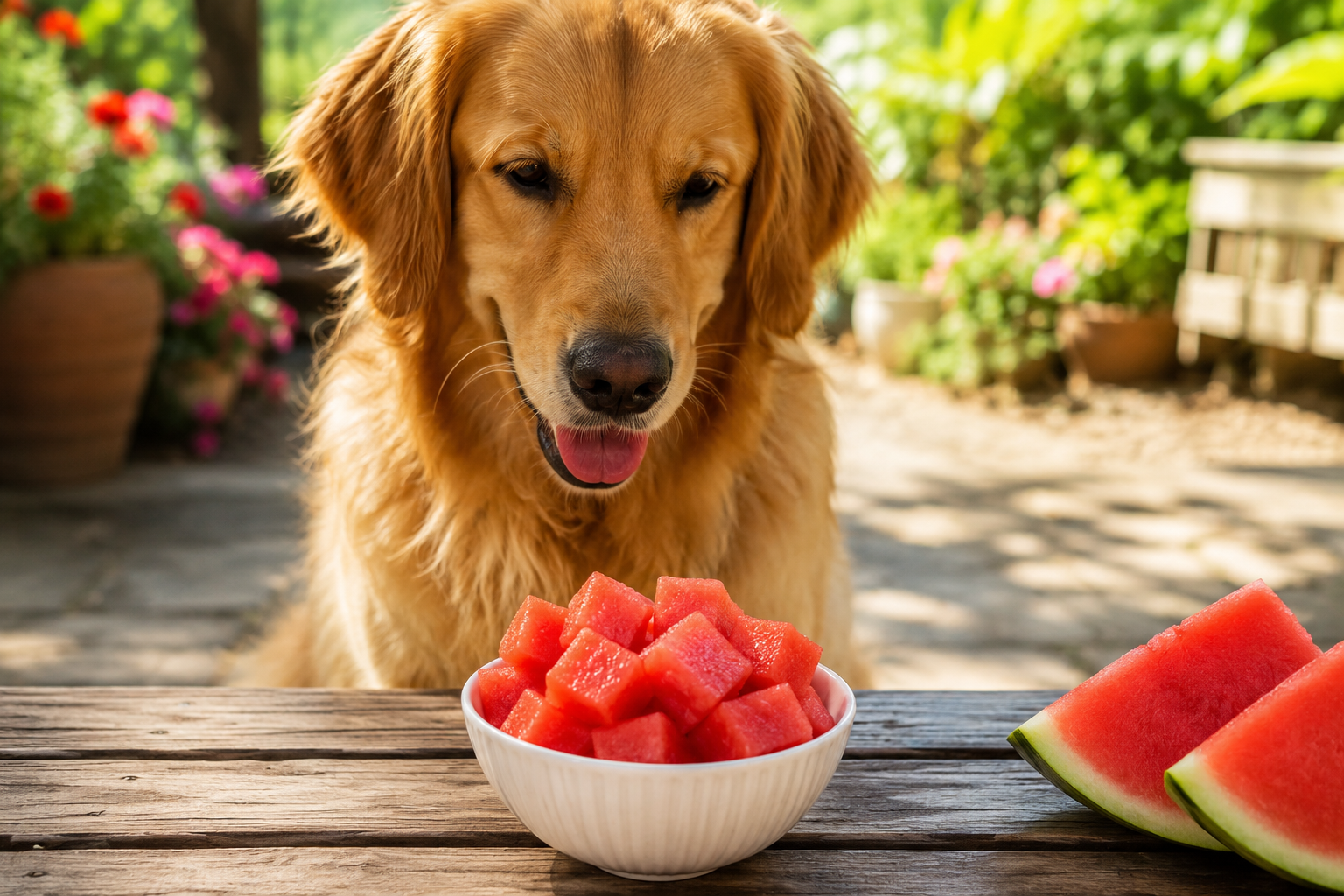

Can dogs eat watermelon? This is one of the most common questions pet owners type into search engines every summer, and for good reason. As the temperature climbs and juicy watermelon slices become a household staple, dog owners naturally wonder whether they can share this refreshing treat with their four-legged companions. The good news is that watermelon is generally safe for dogs when prepared correctly, and it can even offer some genuine nutritional benefits. However, there are important caveats, preparation steps, and portion guidelines that every responsible owner should understand before tossing a slice to their eager pup.
This comprehensive guide dives deep into everything you need to know about feeding watermelon to dogs. We will explore the nutritional profile of watermelon, the potential health benefits, the risks associated with seeds and rind, how to safely introduce this fruit into your dog’s diet, and much more. Whether you have a curious puppy, a senior dog with dietary restrictions, or a breed prone to sensitive stomachs, this article will help you make an informed decision. By the end, you will have a clear, science-backed understanding of whether and how watermelon fits into your dog’s summer diet.
Understanding Why Watermelon Appeals to Dogs and Owners Alike
Dogs are naturally drawn to foods with strong scents and interesting textures, and watermelon delivers on both fronts. The sweet aroma combined with its juicy, crunchy exterior and soft interior makes it an enticing snack for many dogs. Owners often notice their pets sniffing around picnic tables or begging for a bite when watermelon is being sliced in the kitchen. This natural curiosity is part of why so many people ask whether dogs can eat watermelon safely, since it seems almost inevitable that a piece will eventually end up on the floor or be offered as a treat during hot weather gatherings.
Beyond the appeal to dogs themselves, owners are drawn to watermelon as a potential treat option because it feels like a healthier alternative to processed dog treats loaded with preservatives and artificial flavors. Many pet parents are becoming increasingly conscious about what goes into their dog’s diet, seeking out whole, natural foods that can supplement commercial kibble. Watermelon fits this trend perfectly because it is a whole fruit, free from added sugars, and packed with water content that can help keep dogs hydrated during warmer months when dehydration risks are higher.
The Nutritional Profile of Watermelon Explained
Watermelon is composed of roughly ninety two percent water, making it one of the most hydrating fruits available. This high water content is particularly valuable for dogs during summer months when heat exhaustion and dehydration become genuine concerns. Alongside the water, watermelon contains a modest amount of natural sugars, dietary fiber, and a range of vitamins including vitamin A, vitamin C, and vitamin B6. These nutrients contribute to immune function, skin health, and overall metabolic processes, making the fruit more than just an empty, sugary snack.
In addition to vitamins, watermelon contains potassium, magnesium, and an antioxidant compound called lycopene, which gives the fruit its distinctive red color. Lycopene has been studied for its potential role in reducing oxidative stress and supporting heart health in various species. While research specifically on dogs remains limited compared to human studies, the presence of these antioxidants suggests that watermelon, in moderation, can be a nutritionally meaningful addition rather than simply empty calories. This nutritional density is part of why many veterinarians consider watermelon an acceptable occasional treat.
Health Benefits of Feeding Watermelon to Dogs
One of the standout advantages of watermelon is its ability to support hydration, especially for dogs that are reluctant to drink enough water on hot days. Because the fruit is composed almost entirely of water, offering a few chilled cubes can be an effective way to encourage fluid intake indirectly. This is particularly useful for dogs recovering from mild illness, older dogs with reduced thirst drive, or active dogs that have just finished a long walk or play session in warm weather and need a refreshing boost.
Watermelon also offers a low calorie snack option compared to many traditional dog treats, which often contain higher fat content and preservatives. For dogs on a weight management plan, substituting a small portion of their usual treat allowance with watermelon chunks can help satisfy their desire for a snack without contributing significantly to caloric intake. Additionally, the fiber content in watermelon can support healthy digestion when given in appropriate amounts, helping to regulate bowel movements without the harsh effects that overly rich or fatty foods might cause on a dog’s digestive system.
The Importance of Removing Seeds Before Feeding
While the flesh of watermelon is generally safe, the seeds present a different story that owners must take seriously. Watermelon seeds, particularly the larger black seeds found in traditional seeded varieties, can pose a choking hazard for dogs, especially smaller breeds or puppies with narrower airways. Beyond the choking risk, consuming a significant number of seeds can potentially lead to intestinal blockage, a serious condition that may require veterinary intervention or even surgery in severe cases, making seed removal a critical step in preparation.
Even seedless watermelon varieties are not entirely free of seeds, as they often contain small, white, immature seeds that are generally softer and less likely to cause problems. Nonetheless, cautious owners should still inspect slices carefully before offering them to their dogs. The safest approach is to always use seedless watermelon when possible and to double check each piece for stray seeds, ensuring that the treat remains as safe as possible while still allowing your dog to enjoy the natural sweetness and hydration benefits of the fruit.
Why the Rind Should Never Be Given to Dogs
The tough, green outer rind of watermelon is another component that dog owners must handle with caution. Unlike the soft, juicy flesh, the rind is dense, fibrous, and difficult for dogs to digest properly. When dogs chew on or swallow pieces of rind, it can lead to gastrointestinal upset, including vomiting and diarrhea, as the digestive system struggles to break down the tough plant material. In more severe cases, larger pieces of rind can become lodged in the intestinal tract, creating a blockage that requires emergency veterinary care.
Some dogs, particularly larger breeds or those who tend to gulp their food without much chewing, are at higher risk of rind-related complications because they may swallow larger chunks whole rather than breaking them down first. To avoid this risk entirely, always trim away the rind completely before offering watermelon to your dog, leaving only the soft, edible flesh. This simple preparation step significantly reduces the chances of digestive distress and ensures that your dog can enjoy watermelon without unnecessary risk to their health.
How Much Watermelon Is Safe for Dogs to Eat
Moderation is the guiding principle when it comes to feeding any fruit to dogs, and watermelon is no exception to this rule. Veterinary nutritionists generally recommend that treats, including fruits like watermelon, should make up no more than ten percent of a dog’s total daily caloric intake. For most dogs, this translates to a small handful of watermelon cubes rather than an entire slice, particularly for smaller breeds whose daily caloric needs are considerably lower than those of large or giant breed dogs.
Overfeeding watermelon, even without seeds or rind, can still lead to digestive upset due to its natural sugar and fiber content. Dogs that consume too much watermelon in one sitting may experience loose stools, bloating, or mild stomach discomfort as their digestive system works to process the unfamiliar volume of fruit. It is wise to start with just one or two small pieces when introducing watermelon for the first time, observing your dog’s reaction over the following hours before considering it a safe, regular addition to their treat rotation.
Introducing Watermelon Safely to Your Dog’s Diet
When introducing any new food, including watermelon, it is best to proceed gradually rather than offering a large portion right away. Begin with a very small piece, roughly the size of a grape for smaller dogs or slightly larger for bigger breeds, and monitor your dog closely for the next twenty four hours. Watch for signs of allergic reaction, such as itching, swelling, or unusual lethargy, as well as digestive symptoms like vomiting or diarrhea, which would indicate that watermelon may not agree with your particular dog’s system.
If your dog tolerates the initial small portion well, you can gradually increase the amount over subsequent feedings, always staying within the recommended treat guidelines relative to their body weight and daily caloric needs. It also helps to serve watermelon at room temperature or lightly chilled rather than frozen solid, since extremely cold treats can sometimes cause discomfort or even minor dental sensitivity in some dogs. Cutting the fruit into small, manageable cubes appropriate for your dog’s size further reduces choking risk and makes the treat easier to enjoy.
Watermelon for Dogs with Special Health Considerations
Dogs with diabetes or those prone to blood sugar fluctuations require extra caution when it comes to fruit consumption, including watermelon. Although watermelon has a relatively high glycemic index due to its natural sugar content, the overall sugar load in a small serving is typically manageable for healthy dogs. However, for diabetic dogs, even modest amounts of natural sugar can affect blood glucose levels, so it is essential to consult with a veterinarian before incorporating watermelon into the diet of a dog managing this condition.
Dogs with sensitive digestive systems, a history of pancreatitis, or those on specialized prescription diets should also be approached with extra care regarding fruit treats. While watermelon is low in fat, which makes it generally safer than fatty treats for pancreatitis-prone dogs, any deviation from a carefully managed diet should ideally be discussed with a veterinary professional first. Additionally, senior dogs with weaker teeth or gums may benefit from watermelon being mashed or pureed rather than served in solid chunks, making it easier and more comfortable for them to consume without straining their dental health.
Creative Ways to Serve Watermelon to Your Dog
Beyond simply offering plain cubes, there are numerous creative and dog-friendly ways to incorporate watermelon into your pet’s routine, especially during the summer months. One popular method involves freezing small watermelon chunks into ice cube trays, sometimes combined with a splash of low sodium chicken broth or plain yogurt, creating a refreshing frozen treat that helps dogs cool down on hot days while still enjoying the natural sweetness of the fruit. These frozen treats can also help slow down enthusiastic eaters, giving them something to work on rather than gulping food quickly.
Another creative option is blending watermelon flesh into a smooth puree and using it as a topping over your dog’s regular kibble, adding moisture and flavor that many dogs find appealing. Some owners also use watermelon as a training reward, cutting it into tiny, bite sized pieces that are easy to dispense during obedience sessions. Regardless of the method chosen, always remember to remove seeds and rind beforehand, ensuring that even the most creative presentation remains safe and appropriate for your dog’s digestive system.
Common Myths and Misconceptions About Dogs and Watermelon
There is a persistent myth among some pet owners that all fruits are inherently unsafe for dogs, largely because dogs are carnivorous by nature and their ancestral diet consisted primarily of meat. While it is true that dogs do not require fruit to meet their nutritional needs, this does not mean that all fruits are harmful. Watermelon, along with several other fruits like blueberries and apples without seeds, can be safely incorporated as occasional treats without disrupting the balance of a nutritionally complete dog food diet.
Another common misconception is that watermelon seeds are always dangerous in any quantity, leading some owners to avoid the fruit entirely out of unnecessary fear. In reality, accidentally swallowing one or two small seeds is unlikely to cause serious harm in most dogs, particularly larger breeds, though it remains best practice to remove seeds whenever possible to eliminate risk entirely. Understanding the difference between minor, low risk exposure and larger quantities of seeds or rind helps owners make more balanced, informed decisions rather than reacting with excessive caution or, conversely, dangerous carelessness.
Comparing Watermelon to Other Dog-Safe Fruits
When evaluating whether watermelon deserves a place in your dog’s treat rotation, it helps to compare it against other commonly recommended dog-safe fruits such as blueberries, apples, and bananas. Blueberries are often praised for their antioxidant density and small size, making them easy to portion, while apples offer fiber and vitamin C but require careful removal of seeds and core due to trace amounts of cyanide compounds. Watermelon stands out particularly for its exceptionally high water content, making it uniquely suited for hydration purposes compared to these denser, less water-rich alternatives.
Bananas, while nutrient-dense and a favorite among many dogs, contain considerably more sugar and calories per serving than watermelon, meaning portion control becomes even more critical to avoid weight gain or digestive upset. When comparing overall safety profiles, watermelon requires more preparation vigilance due to the seed and rind removal process, whereas fruits like blueberries can typically be given whole without additional preparation. Ultimately, offering a rotation of different dog-safe fruits, including watermelon, provides variety while ensuring your dog receives a range of micronutrients rather than relying on a single fruit source.
Signs Your Dog May Have Had Too Much Watermelon
Even when following recommended guidelines, individual dogs can react differently to new foods, and it is important for owners to recognize the warning signs of overconsumption. Common symptoms of eating too much watermelon include loose stools, diarrhea, excessive gas, and mild bloating, all of which typically result from the fruit’s natural sugar and fiber content overwhelming the digestive system when consumed in excess. These symptoms are usually mild and resolve on their own within twenty four to forty eight hours without requiring medical intervention.
More concerning symptoms that warrant immediate veterinary attention include repeated vomiting, signs of abdominal pain such as whining or a hunched posture, lethargy, or refusal to eat or drink. These symptoms could indicate a more serious issue, such as an intestinal blockage caused by swallowed rind or a large quantity of seeds, particularly in smaller dogs. If you notice any of these more severe signs after your dog has consumed watermelon, especially if you suspect they ingested rind or a significant number of seeds, contacting your veterinarian promptly is the safest course of action.
Expert Veterinary Perspectives on Fruit-Based Treats
Veterinary professionals generally agree that whole, unprocessed fruits like watermelon can serve as a healthy occasional addition to a dog’s diet when prepared correctly and given in moderation. Many veterinarians recommend fruits as a lower calorie alternative to commercial treats, particularly for dogs struggling with weight management or those whose owners want to reduce reliance on processed snacks filled with artificial additives. The consensus among veterinary nutritionists is that variety, portion control, and proper preparation are the three pillars of safely incorporating fruit into a canine diet.
That said, veterinary experts consistently emphasize that fruit should never replace a nutritionally balanced, complete dog food formulated to meet a dog’s specific life stage and health requirements. Watermelon and similar fruits should be viewed strictly as supplementary treats rather than dietary staples, contributing minor nutritional benefits alongside the joy of a tasty snack. Owners are encouraged to discuss any significant dietary changes, including regular fruit consumption, with their veterinarian, particularly if their dog has pre-existing health conditions that could be affected by changes in sugar or fiber intake.
The Role of Portion Size Based on Dog Breed and Weight
Portion sizing is not a one-size-fits-all matter when it comes to feeding watermelon to dogs, since a toy breed weighing five pounds has vastly different caloric needs than a large breed weighing eighty pounds or more. For small breeds such as Chihuahuas, Yorkshire Terriers, or Pomeranians, even one or two small watermelon cubes can represent a meaningful portion of their daily treat allowance, meaning owners should be especially mindful not to overdo it despite how eagerly these little dogs may beg for more. Overfeeding small dogs with any treat, including fruit, can quickly tip the balance of their otherwise carefully calculated daily caloric intake.
On the other end of the spectrum, medium and large breeds like Labrador Retrievers, German Shepherds, or Golden Retrievers can typically handle a slightly larger portion of watermelon without significant risk, though the same principles of moderation still apply. A useful rule of thumb many veterinarians suggest is to think in terms of a small handful of cubes for large dogs and just a couple of small pieces for smaller dogs, always leaving plenty of room within their daily caloric budget for their primary, nutritionally balanced meals. Adjusting portions based on breed size and individual activity level ensures that watermelon remains a beneficial treat rather than an unintentional contributor to weight gain.
Watermelon Juice and Smoothies for Dogs
Some creative pet owners enjoy making watermelon-based smoothies or juices for their dogs, particularly during especially hot summer days when a liquid treat might be more appealing than solid chunks. When preparing watermelon juice for dogs, it is essential to avoid any added sugars, artificial sweeteners, or flavorings that are often found in store-bought juices intended for human consumption, since these additives can be harmful or even toxic to dogs. A simple homemade blend of pure watermelon flesh, with seeds and rind removed, blended with a small amount of water or plain yogurt, offers a safe alternative.
These homemade watermelon smoothies can also be poured into ice cube trays or silicone molds and frozen, creating a fun, lickable treat that dogs can enjoy over a longer period, which is particularly useful for keeping dogs occupied and cool during outdoor summer activities. However, because juices and smoothies concentrate the natural sugars from the fruit into a smaller, more easily consumed volume, portion control becomes even more important than with solid watermelon cubes. Limiting these liquid treats to small amounts, offered infrequently, helps prevent unwanted blood sugar spikes or digestive upset.
Storing and Preparing Watermelon for Repeated Dog Treats
If you plan to regularly offer watermelon to your dog throughout the summer season, proper storage and preparation can make the process more convenient while maintaining freshness and safety. After cutting away the rind and removing all visible seeds, watermelon flesh can be diced into bite sized cubes appropriate for your dog’s size and stored in an airtight container in the refrigerator for up to three to five days. This allows you to prepare a batch in advance rather than cutting fresh watermelon every single time your dog wants a treat.
For longer term storage, freezing pre-cut watermelon cubes in a single layer on a baking sheet before transferring them to a freezer safe bag is an effective method that prevents the pieces from clumping together into one large frozen mass. This technique allows you to grab just a few cubes at a time as needed, offering a convenient, ready-made frozen treat option throughout the warmer months. Always inspect stored watermelon before serving, discarding any pieces that show signs of spoilage, excessive sogginess, or off odors, since spoiled fruit can cause digestive upset regardless of how carefully it was originally prepared.
Watermelon as Part of a Broader Enrichment Strategy
Beyond its nutritional value, watermelon can also play a role in mental and physical enrichment activities for dogs, particularly when incorporated into puzzle feeders, frozen treat toys, or scent-based games. Stuffing a rubber enrichment toy with small watermelon pieces and freezing it creates a longer lasting activity that challenges your dog both physically and mentally, as they work to extract the tasty reward from within the toy. This type of enrichment can be especially valuable for high energy breeds that require additional mental stimulation beyond standard walks and playtime.
Incorporating watermelon into scent work games, such as hiding small pieces around the yard for your dog to sniff out, also taps into their natural foraging instincts while providing a rewarding, low calorie snack at the end of the search. These enrichment based approaches to feeding watermelon transform a simple treat into an engaging activity that supports overall canine wellbeing, combining the physical benefits of hydration and nutrition with the psychological benefits of problem solving and natural behavior expression. This holistic approach reflects a growing trend among informed dog owners toward more purposeful, engaging treat practices.
Environmental and Seasonal Considerations for Feeding Watermelon
Watermelon is a seasonal fruit that reaches peak freshness, flavor, and nutritional value during the summer months, typically from June through August in most parts of the United States, making this the ideal time to incorporate it into your dog’s treat rotation. Purchasing watermelon during its peak season not only ensures better taste and texture but often means better nutritional density as well, since fruits harvested at optimal ripeness tend to contain higher concentrations of vitamins and antioxidants compared to out-of-season produce that may have traveled long distances or been harvested prematurely.
Outside of peak season, watermelon prices may rise and quality can decline, leading some owners to wonder whether it remains worthwhile to offer as a treat during colder months. While watermelon can technically be found year-round in many grocery stores due to global supply chains, sticking to seasonal availability often provides better value and quality. During non-summer months, rotating in other dog-safe fruits that are in season, such as apples in the fall or citrus in winter, can provide similar variety and nutritional benefits without relying on off-season watermelon that may not offer the same freshness.
Conclusion
So, can dogs eat watermelon? The answer is a confident yes, provided that pet owners follow proper preparation guidelines and exercise sensible portion control. Watermelon offers genuine benefits, including excellent hydration support, low calorie content, and a range of vitamins and antioxidants that can complement a dog’s overall diet when given as an occasional treat. The key precautions involve always removing seeds and rind, introducing the fruit gradually, and monitoring your dog for any adverse reactions, particularly if they have underlying health conditions like diabetes or pancreatitis.
As with any treat outside of a dog’s regular, nutritionally complete food, moderation remains the golden rule. A few small, properly prepared cubes of watermelon can be a delightful, refreshing way to help your dog stay cool and hydrated during hot summer days, strengthening the bond between you and your pet through shared, safe enjoyment. By following the guidance outlined throughout this article, you can confidently answer the question of whether dogs can eat watermelon and feel secure in offering this juicy fruit as part of a balanced, thoughtful approach to your dog’s wellbeing.
Frequently Asked Questions
Can puppies eat watermelon safely, or should it be reserved only for adult dogs?
Puppies can eat watermelon in very small, seed-free, rind-free portions once they are fully weaned onto solid food, though their smaller digestive systems make them more sensitive to new foods. It is best to introduce watermelon slowly and in tiny amounts, watching closely for any digestive upset before making it a regular treat.
Is frozen watermelon better than fresh watermelon for dogs during hot weather?
Frozen watermelon cubes can be an excellent way to help dogs cool down and stay entertained, but they should be given in moderation since extremely cold treats can occasionally cause mild discomfort. Cutting fresh watermelon into small pieces and freezing them briefly, rather than serving rock-hard frozen chunks, often provides the best balance of refreshment and safety.
What should I do if my dog accidentally eats a piece of watermelon rind?
If your dog eats a small piece of rind, monitor them closely for signs of digestive upset such as vomiting, diarrhea, or lethargy over the next twenty four to forty eight hours. If symptoms appear severe, persistent, or your dog seems to be in pain, contact your veterinarian immediately, as larger pieces of rind can potentially cause an intestinal blockage.
Can dogs with diabetes eat watermelon at all?
Dogs with diabetes can sometimes tolerate very small amounts of watermelon, but because of its natural sugar content, it is essential to consult a veterinarian before offering it. Your vet can help determine safe portion sizes based on your dog’s individual blood sugar management plan and overall health status.
How often can I give my dog watermelon as a treat?
Watermelon can be offered a few times per week as an occasional treat, provided it remains within the general guideline of treats making up no more than ten percent of your dog’s total daily caloric intake. Consistently monitoring your dog’s weight and digestive health will help you determine the ideal frequency for your specific pet.
Are there any dog breeds that should avoid watermelon entirely?
There is no specific breed that must avoid watermelon entirely, but breeds prone to sensitive stomachs, obesity, or diabetes may need more careful portion control and closer monitoring. Always consider your dog’s individual health history rather than relying solely on breed generalizations when deciding how much watermelon is appropriate.
Can watermelon replace water as a hydration source for dogs?
Watermelon should never replace fresh drinking water as a primary hydration source, even though its high water content can provide supplemental hydration benefits. Dogs still require consistent access to clean drinking water throughout the day, with watermelon serving only as a helpful, tasty addition rather than a substitute.