
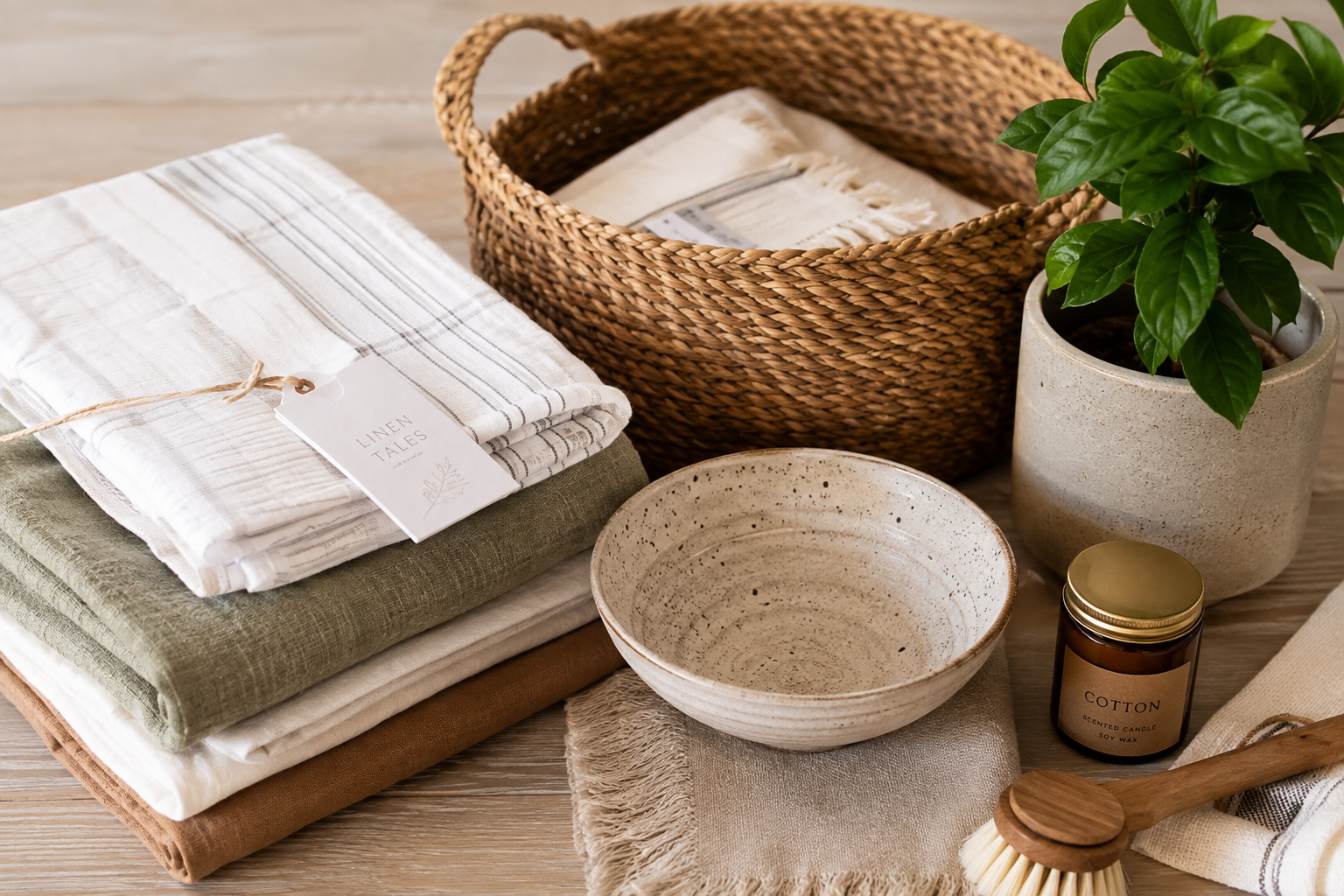

Walking into a home goods store or scrolling through an online marketplace can feel overwhelming. Shelves and pages are packed with everything from throw pillows and cutting boards to storage bins and bath towels, all promising to make your home more comfortable, functional, and beautiful. Yet not all home goods are created equal, and knowing what to look for can save you money, reduce clutter, and genuinely improve how your living space feels day to day.
This guide breaks down everything you need to know about home goods, from understanding what the category actually includes to choosing pieces that fit your lifestyle, budget, and design taste. Whether you are furnishing a first apartment, refreshing a family home, or simply looking to upgrade a few tired items, this article will help you shop smarter and build a home that works for you rather than against you.
What Are Home Goods, Exactly?
The term home goods refers to the broad category of products used to furnish, organize, and decorate a living space. This includes everything from kitchen tools and bedding to storage containers, bathroom accessories, rugs, curtains, and small furniture pieces. Unlike major furniture purchases such as sofas or beds, home goods are often smaller, more affordable items that people replace or update more frequently as their needs and tastes change.
What makes this category particularly interesting is how much it overlaps with daily life. A good set of kitchen knives, a comfortable duvet cover, or a well-designed storage basket might seem like small purchases individually, but collectively they shape how functional and enjoyable a home actually feels to live in. Retailers and manufacturers have responded to this by expanding home goods offerings dramatically over the past decade, giving shoppers far more choice in styles, materials, and price points than ever before.
Why Quality Home Goods Matter More Than People Think
It is tempting to treat home goods as disposable items, especially when budget-friendly options are so widely available. However, choosing quality over quantity in this category often pays off in ways that are easy to overlook. Poorly made items tend to wear out quickly, whether that means towels losing their absorbency after a few washes or plastic storage containers cracking within months of regular use. Replacing these items repeatedly ends up costing more over time than investing in better-made products from the start.
Beyond the financial argument, the quality of the home goods you surround yourself with genuinely affects daily comfort and mood. A worn-out mattress topper or scratchy bedding can disrupt sleep quality, while cluttered and mismatched storage solutions can make even a tidy home feel chaotic. Thoughtfully chosen home goods, on the other hand, tend to create a sense of calm and order that makes everyday routines, from cooking dinner to getting ready in the morning, feel noticeably smoother and more pleasant.
Essential Home Goods Categories to Know
Kitchen and Dining Essentials
The kitchen is often considered the heart of the home, and it is also one of the categories where quality home goods make the most noticeable difference. Cookware, cutting boards, dish towels, and food storage containers see heavy daily use, so durability and functionality matter far more here than in categories used less frequently. Investing in a solid set of pots and pans, sharp knives, and airtight storage containers can genuinely transform the cooking experience, making meal preparation faster and more enjoyable.
Dining essentials such as dinnerware, glassware, and table linens also fall under this category and offer an easy way to refresh the look of a home without a major renovation. Many shoppers find that mixing a few statement pieces, like a hand-thrown ceramic serving bowl, with practical everyday basics creates a kitchen that feels both stylish and livable. Choosing dishwasher-safe and microwave-safe materials where possible also adds a layer of convenience that busy households genuinely appreciate.
Bedding and Bath Products
Few home goods categories have as direct an impact on wellbeing as bedding and bath products. Sheets, duvet covers, pillows, and mattress protectors directly affect sleep quality, while towels, bath mats, and shower curtains shape the daily bathroom routine. Thread count, fabric type, and construction quality all play a role in how comfortable and long-lasting these items turn out to be, making it worth reading product descriptions carefully rather than choosing based on price alone.
Natural fibers such as cotton, linen, and bamboo tend to be popular choices within this category because they offer breathability and softness that synthetic alternatives often struggle to match. Bath towels made from long-staple cotton, for example, tend to feel plusher and hold up better through repeated washing compared to lower-quality blends. Paying attention to these material details when shopping for bedding and bath home goods can make a noticeable difference in everyday comfort.
Living Room Furnishings and Accents
The living room is typically where home goods shopping becomes more about style and personal expression. Throw pillows, blankets, area rugs, and decorative accents allow homeowners to layer color, texture, and personality into a space without committing to permanent changes like new furniture or paint. This flexibility makes living room accents one of the most fun and low-risk categories to experiment with when updating a home’s overall aesthetic.
Lighting also deserves special attention within this category, since the right lamps and light fixtures can dramatically change how a room feels at different times of day. Warm, layered lighting from table lamps and floor lamps tends to create a cozier atmosphere compared to relying solely on overhead lighting. Many interior design experts recommend combining several light sources at different heights to achieve a more inviting and functional living space.
Storage and Organization Solutions
As homes accumulate more belongings over time, storage and organization products have become one of the fastest-growing segments within the home goods market. Baskets, bins, shelving units, and closet organizers help households manage clutter while keeping frequently used items accessible. Choosing storage solutions that match both the practical needs of a space and its overall design style helps avoid the common trap of organization products that look mismatched or out of place.
Multi-functional storage pieces, such as ottomans with hidden compartments or bed frames with built-in drawers, have also grown in popularity, particularly among people living in smaller homes or apartments where space efficiency matters. These dual-purpose home goods allow households to maximize functionality without sacrificing style, proving that practical does not have to mean boring when it comes to organizing a living space.
Decor and Accent Pieces
Decorative home goods, including wall art, mirrors, candles, and decorative bowls, are often what give a house its distinct personality. These items rarely serve a strictly practical purpose, yet they play an outsized role in making a space feel finished, personal, and welcoming to both residents and guests. Curating decor thoughtfully, rather than filling every surface, tends to create a more intentional and visually pleasing result than overcrowding a room with too many small items.
Seasonal decor also falls into this category, offering an affordable way to refresh a home’s atmosphere throughout the year without major investment. Swapping out a few throw pillow covers, adding seasonal candles, or rotating artwork can noticeably change how a space feels from one season to the next. This kind of small-scale, rotating decor strategy has become increasingly popular among people who enjoy refreshing their homes regularly without excessive spending.
How to Choose the Right Home Goods for Your Space
Selecting home goods that actually suit your space starts with understanding the practical needs of each room before considering style. A small apartment kitchen, for example, benefits far more from compact, multi-functional tools than from bulky specialty gadgets that may look appealing but rarely get used. Taking accurate measurements of your space before shopping, particularly for larger items like rugs or storage furniture, helps avoid the common frustration of purchasing something that simply does not fit.
Personal lifestyle should also guide these decisions just as much as square footage. Households with young children or pets, for instance, often benefit from more durable, easy to clean materials in high-traffic areas, while households without these considerations may prioritize delicate fabrics or finishes purely for aesthetic appeal. Being honest about how a space will actually be used, rather than how it might look in an idealized version, leads to home goods choices that hold up far better over time.
Color and material consistency across a home also deserve consideration, even if perfect matching is not the goal. Choosing a general color palette or material theme, such as warm wood tones paired with neutral textiles, helps different home goods purchases feel cohesive even when bought from different retailers over time. This approach offers more flexibility than trying to buy an entire matching set at once, while still resulting in a space that feels intentional rather than randomly assembled.
Home Goods on a Budget: Smart Shopping Strategies
Furnishing and decorating a home does not require an unlimited budget, and many experienced shoppers have developed strategies for finding quality home goods without overspending. Timing purchases around seasonal sales events, such as end of season clearance periods, often yields significant savings on items like bedding, kitchenware, and seasonal decor. Signing up for retailer newsletters or loyalty programs can also provide early access to discounts that are not always advertised publicly.
Prioritizing spending is another effective strategy, particularly for people furnishing a home over time rather than all at once. Allocating more budget toward items used daily, such as bedding or kitchen essentials, while saving on purely decorative pieces that can be found affordably at thrift stores or discount retailers, allows shoppers to invest where it matters most without feeling pressured to spend heavily across every category simultaneously. This targeted approach tends to produce better long-term satisfaction than spreading a limited budget too thin.
Secondhand and vintage shopping has also gained significant popularity as a budget-conscious approach to acquiring home goods with character. Estate sales, thrift stores, and online marketplaces frequently offer well-made vintage items, from ceramic dinnerware to solid wood furniture pieces, at a fraction of retail prices. Beyond the cost savings, these items often bring a sense of history and uniqueness that mass-produced modern alternatives simply cannot replicate.
Sustainable and Eco-Friendly Home Goods
Environmental awareness has increasingly influenced how people shop for home goods, with growing demand for products made from sustainable materials and ethical manufacturing practices. Organic cotton bedding, bamboo kitchen utensils, and recycled glass decor items have all become more widely available as consumer interest in eco-friendly options continues to grow. These products often carry a higher upfront cost but tend to offer comparable or superior durability compared to conventional alternatives.
Beyond material sourcing, sustainability within home goods also involves thinking about longevity and waste reduction. Choosing well made, timeless pieces over trendy items likely to be discarded within a year or two represents one of the most impactful sustainable shopping habits available to everyday consumers. Repurposing or donating unwanted home goods rather than discarding them, along with supporting brands that offer take-back or recycling programs, further extends this sustainability mindset beyond the initial purchase decision.
Seasonal Home Goods Shopping Guide
Certain times of year offer particularly strong opportunities for home goods shopping, and understanding this seasonal rhythm can help shoppers plan more strategically. January often brings significant discounts on bedding and organizational products, as retailers capitalize on New Year resolutions related to decluttering and home organization. Similarly, late summer tends to bring markdowns on outdoor home goods like patio decor and grilling accessories as retailers clear inventory ahead of autumn.
Major shopping holidays throughout the year also present opportunities worth watching for larger home goods purchases. Understanding these seasonal patterns allows shoppers to plan bigger purchases, such as new bedding sets or kitchen appliances, around periods when discounts are most likely to be available, rather than paying full price during less favorable shopping windows throughout the year.
Where to Buy Home Goods: Online Versus In-Store
The rise of online shopping has fundamentally changed how people purchase home goods, offering convenience and selection that traditional brick-and-mortar stores often cannot match. Online retailers typically provide detailed product specifications, customer reviews, and the ability to compare prices across multiple sellers within minutes, making it easier to research purchases thoroughly before committing. This is particularly valuable for larger or more expensive home goods where getting the details right matters significantly.
In-store shopping, however, retains distinct advantages that many shoppers still value, particularly for items where texture, color accuracy, and physical feel matter most. Bedding, towels, and rugs, for example, are often easier to evaluate in person, where shoppers can actually touch the fabric and assess quality firsthand rather than relying solely on product photos and written descriptions. Many experienced shoppers use a hybrid approach, researching options online before making final purchasing decisions in person, or vice versa, depending on the specific category of home goods involved.
Home Goods Trends Worth Knowing About
Design trends within the home goods category continue to evolve, reflecting broader shifts in how people want their living spaces to look and function. Warm, earthy color palettes have gained significant popularity in recent years, moving away from the cooler grays and stark whites that dominated interior design trends in previous seasons. This shift reflects a broader consumer desire for homes that feel warm, inviting, and personal rather than sterile or overly minimalist.
Multi-functional and space-saving home goods have also become increasingly prominent, driven largely by rising urban living costs and smaller average home sizes in many markets. Furniture and storage solutions designed to serve multiple purposes, along with modular pieces that can adapt to changing needs, reflect this practical trend toward maximizing functionality within limited square footage. Staying aware of these broader trends can help shoppers make choices that feel current while still prioritizing genuine functionality over passing fads.
Caring for and Maintaining Your Home Goods
Proper care significantly extends the lifespan of home goods, yet this aspect of ownership often receives less attention than the initial purchasing decision. Following manufacturer care instructions for items like bedding, towels, and upholstered furniture helps preserve both appearance and functionality over time. Simple habits, such as washing towels separately from other laundry or rotating mattress toppers periodically, can meaningfully extend the useful life of these products.
Regular maintenance also applies to less obvious home goods categories, such as kitchen tools and storage containers. Properly drying wooden cutting boards and utensils after washing prevents warping and cracking, while periodically checking storage bins and organizers for wear helps identify when replacement is needed before items fail unexpectedly. Building these small maintenance habits into a regular household routine ultimately protects the investment made in quality home goods purchases.
Common Mistakes to Avoid When Buying Home Goods
One of the most frequent mistakes shoppers make involves purchasing based purely on trends or aesthetics without considering practical functionality. A visually striking storage basket that cannot actually hold the intended items, or decorative bedding that feels uncomfortable against the skin, ultimately fails to serve its purpose regardless of how appealing it looked in photos. Balancing style with genuine usability should remain a priority throughout the shopping process for any home goods category.
Another common pitfall involves underestimating the importance of measurements and scale, particularly for larger items like rugs, storage furniture, or curtains. Items that are too small can make a room feel disjointed, while oversized pieces can overwhelm a space and create an impression of clutter even in an otherwise organized home. Taking the time to measure spaces accurately before shopping remains one of the simplest yet most frequently overlooked steps in successful home goods purchasing.
Frequently Asked Questions About Home Goods
What is the difference between home goods and furniture?
Home goods generally refers to smaller items used to furnish, organize, and decorate a home, such as bedding, kitchenware, and decor accents, while furniture typically refers to larger, more permanent pieces like sofas, beds, and dining tables. Many retailers sell both categories, though they are often organized separately due to differences in size, price, and purchasing frequency.
How often should I replace home goods like towels and bedding?
Bath towels typically last between two and three years with regular use before losing absorbency and softness, while bedding such as sheets and pillowcases often need replacement every one to two years depending on quality and frequency of washing. Signs like thinning fabric, persistent odors, or visible wear are good indicators that replacement is needed regardless of exact timelines.
What are the best materials for durable home goods?
Natural materials such as solid wood, stainless steel, and high-quality cotton or linen tend to offer superior durability compared to many synthetic alternatives, though quality construction matters just as much as material choice. Reading product reviews and checking manufacturer warranties can also provide useful insight into how well a specific item is likely to hold up over time.
Is it better to buy home goods online or in physical stores?
Both options have advantages depending on the specific item and personal shopping preferences. Online shopping often provides better price comparison and wider selection, while in-store shopping allows for direct evaluation of texture, color, and quality before purchasing, making a hybrid approach practical for many shoppers.
How can I make my home goods purchases more sustainable?
Choosing well-made, timeless items over trendy pieces likely to be discarded quickly represents one of the most effective sustainability strategies, alongside seeking out products made from organic or recycled materials. Donating or repurposing unwanted items rather than throwing them away further reduces the environmental impact of regular home goods turnover.
What home goods should I prioritize when furnishing a new home?
Most experts recommend prioritizing daily-use essentials first, including quality bedding, functional kitchen tools, and adequate storage solutions, before investing heavily in purely decorative items. This approach ensures the home feels functional and comfortable early on, with decor and accent pieces added gradually as budget and design preferences become clearer over time.
Are expensive home goods always better quality than budget options?
Not necessarily, though price often does correlate with better materials and construction in many categories. Researching specific brands, reading customer reviews, and understanding what materials and manufacturing processes justify a higher price point helps shoppers avoid overpaying for marketing alone while still identifying genuinely well-made budget-friendly options.
Conclusion
Home goods play a far bigger role in daily comfort and household function than their often modest price tags might suggest. From the towels you reach for each morning to the storage solutions keeping your closets organized, these everyday items collectively shape how your home feels to live in. By prioritizing quality where it matters most, shopping strategically around budget and seasonal timing, and staying mindful of both function and sustainability, you can build a home filled with goods that genuinely serve your lifestyle rather than simply filling space.
Whether you are just starting to furnish a new home or looking to thoughtfully refresh an existing one, approaching home goods shopping with intention rather than impulse tends to produce far more satisfying long-term results. Take the time to understand your actual needs, measure your space accurately, and invest where daily use justifies it, and you will find that even modest home goods purchases can meaningfully improve the way your home looks, functions, and feels for years to come.