
Walking through a home with doors that swing smoothly, close with a satisfying click and sit perfectly flush within their frames is one of those small pleasures that often goes unnoticed until it’s missing. That seamless experience rarely happens by accident. It is the result of choosing prehung interior doors instead of wrestling with a bare slab that has to be trimmed, hinged, and squared on site. For homeowners renovating a hallway, builders finishing a new construction project, or DIY enthusiasts tackling a weekend upgrade, understanding what prehung interior doors are and why they matter can save time, money, and a considerable amount of frustration.
This guide takes a deep dive into everything worth knowing about prehung interior doors, from the basic definition to material choices, measuring techniques, installation steps, cost considerations, and long term maintenance. Whether this is your first time hearing the term or you’ve been comparing options for months, the goal here is to give you a thorough, practical, and genuinely useful resource. By the end, you will understand not just what prehung interior doors are, but how to select, install, and care for them so they serve your home beautifully for decades to come.
What Are Prehung Interior Doors?
A prehung interior door refers to a door slab that arrives already mounted inside its frame, complete with hinges attached and, in many cases, pre drilled holes for the doorknob and latch hardware. Instead of buying a plain door panel and a separate jamb kit that must be assembled piece by piece, you receive a single unit ready to be set into the rough opening of a wall. This design eliminates much of the guesswork that comes with traditional door hanging, since the manufacturer has already aligned the hinges and ensured the door swings correctly within its frame before it ever reaches your home.
The convenience of prehung interior doors becomes obvious the moment you compare the process to installing a slab door from scratch. With a slab door, an installer has to measure the opening, cut the jamb material, chisel out hinge mortises, hang the door, and check for square alignment, all while hoping nothing warps or shifts during the process. Prehung units remove several of these labor-intensive steps because the factory has already done the precision work. This is part of why prehung interior doors have become the standard choice in both new construction and renovation projects across the United States, especially for people who want reliable results without hiring a specialist carpenter for every doorway in the house.
Prehung vs Slab Doors: Understanding the Difference
One of the most common points of confusion for first-time buyers is the distinction between a slab door and a prehung door. A slab door is simply the door panel itself, with no frame, hinges, or hardware included. It is essentially a blank canvas that must be fitted into an existing frame, which works well if your current frame is in good condition and you only need to replace the door itself. This option tends to be less expensive upfront, but it demands more skill and time to install properly, since the installer must custom fit the slab to the existing opening.
Prehung interior doors, by contrast, include the frame, hinges, and often the strike plate, making them a complete package. This matters most when the existing frame is damaged, out of square, or simply outdated, since replacing the entire unit resolves those issues in one step rather than trying to patch around them. While prehung doors cost more than slabs due to the included materials and factory labor, many homeowners find the trade-off worthwhile because it reduces installation errors and produces a more professional, long lasting result. For anyone unsure which option fits their project, examining the condition of the existing frame is usually the deciding factor.
Benefits of Choosing Prehung Interior Doors
The primary advantage of prehung interior doors is the significant reduction in installation time and complexity. Because the hinges are already mortised and aligned at the factory, installers avoid the painstaking process of chiseling hinge pockets by hand, which is one of the most error prone parts of hanging a slab door. This precision translates into doors that open and close smoothly from day one, without the sticking, rubbing, or uneven gaps that often plague poorly hung slab doors. For busy homeowners or contractors juggling multiple projects, this time savings adds up quickly across a full house of doors.
Beyond convenience, prehung interior doors also tend to offer better long term performance. Because the frame and door are manufactured and fitted together under controlled conditions, there is less risk of warping, misalignment, or gaps that let sound and drafts pass through. This is particularly valuable for interior doors separating bedrooms, bathrooms, or home offices, where noise reduction and privacy matter. Additionally, many manufacturers offer prehung units with factory applied finishes or primer, which saves an extra step in the renovation process and ensures a more consistent, polished appearance throughout the home.
Types of Prehung Interior Doors Available Today
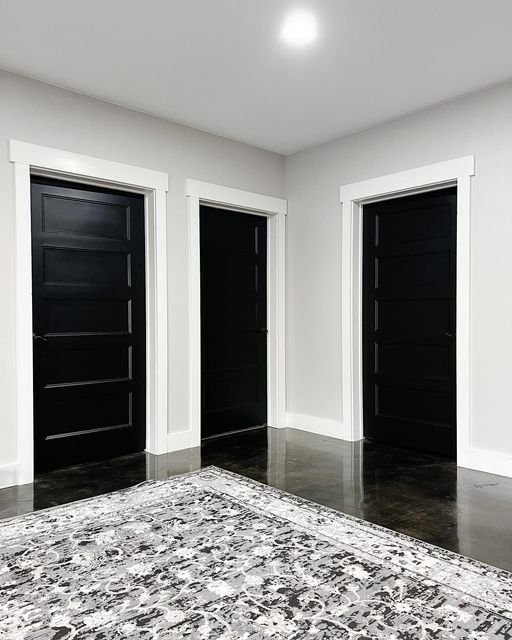
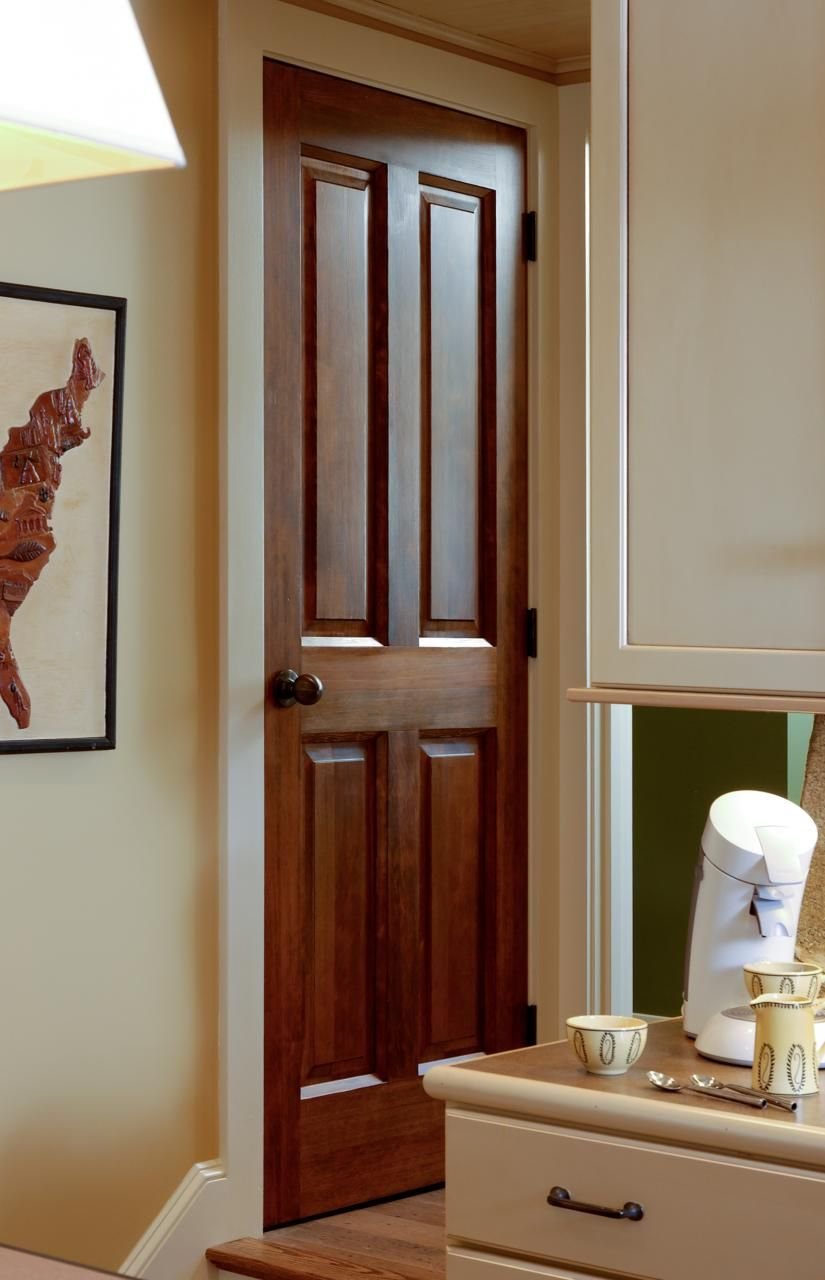
The market for prehung interior doors is remarkably diverse, offering styles to suit nearly any design preference. Traditional panel doors remain a popular choice, featuring raised or recessed rectangular sections that add depth and visual interest without overwhelming a room. These doors work well in both classic and transitional home designs, pairing easily with crown molding, wainscoting, and other architectural details. Flush doors, which have a completely smooth surface, offer a more modern and minimalist look, making them a favorite in contemporary homes where clean lines are the goal.
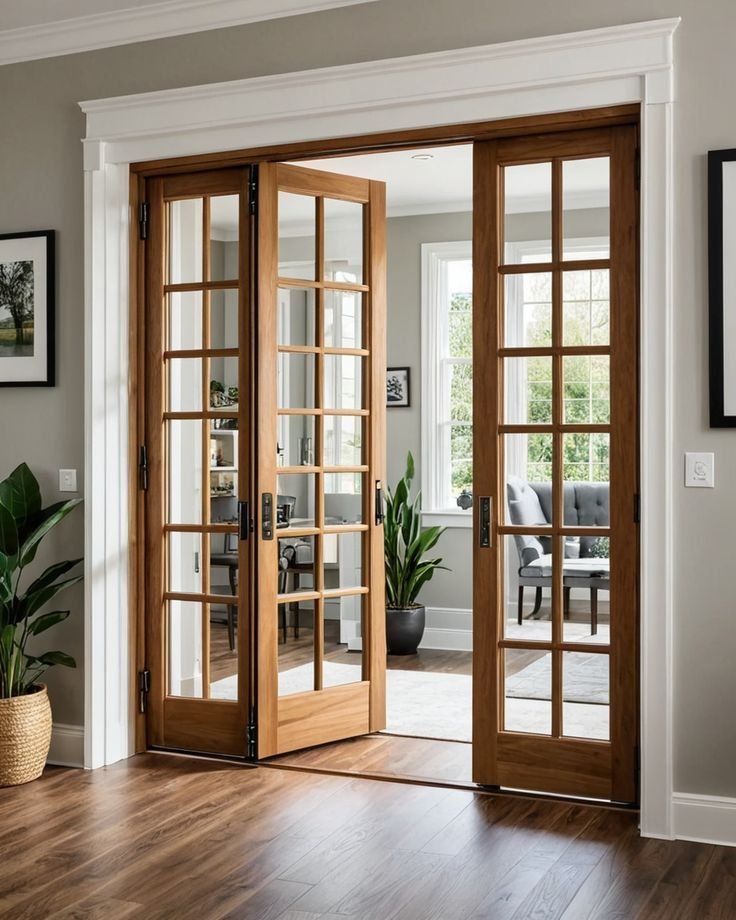
For homeowners seeking something beyond the standard swinging door, prehung options extend to French doors, which feature glass panes and a hinged double-door configuration that adds elegance to formal living spaces or home offices. Barn style and pocket door conversions are also increasingly available as prehung units, catering to those who want a space saving solution without sacrificing style. Louvered doors, often used for closets and laundry rooms, allow for ventilation while maintaining privacy, and they too can be purchased prehung for easier installation. This wide variety means that regardless of the room or design goal, there is very likely a prehung interior door style that fits the vision perfectly.
Materials Used in Prehung Interior Doors
Material choice plays a significant role in both the appearance and durability of prehung interior doors. Solid wood doors, crafted from species like oak, maple, or knotty pine, offer a timeless aesthetic and substantial feel that many homeowners associate with quality craftsmanship. These doors tend to be heavier and provide excellent sound insulation, though they can be more susceptible to humidity related warping if not properly sealed or maintained in fluctuating climates. Solid wood remains a favorite for those willing to invest in a premium look and don’t mind the additional care it requires over time.
Engineered wood and MDF, or medium density fiberboard, have become increasingly popular alternatives because they resist warping better than solid wood while still accepting paint and stain finishes beautifully. These materials are typically more budget friendly and offer a smoother surface, which is ideal for homeowners planning to paint their doors rather than showcase natural wood grain. Hollow core doors, often made from a thin wood or composite veneer over a honeycomb interior, are the lightest and most economical option, commonly used in closets or secondary rooms where sound insulation and durability are less of a priority. Choosing the right material ultimately depends on budget, climate, and the specific function each door will serve within the home.
How to Measure for Prehung Interior Doors
Accurate measurements are absolutely essential when purchasing prehung interior doors, since even small errors can result in a unit that doesn’t fit the rough opening properly. The process begins by measuring the width of the existing door opening at three points the top, middle, and bottom, then using the smallest measurement to avoid ordering a door that is too wide. Height should be measured similarly, checking from the floor to the top of the opening on both sides, since older homes in particular can have openings that aren’t perfectly level or square.
Depth, or the thickness of the wall, is another critical measurement that determines the correct jamb width for the prehung unit. Most interior walls range between four and six inches thick, but this can vary depending on the type of wall construction and any additional finishes like tile or extra drywall layers. It’s also wise to note the swing direction you need, whether left handed or right handed and whether the door should open inward or outward based on the room’s layout and furniture placement. Taking the time to measure carefully before ordering prehung interior doors prevents costly returns, delays, and the frustration of trying to modify a unit that was never meant to be altered significantly.
Installation Process Explained
Installing prehung interior doors is significantly more approachable than hanging a slab door, but it still requires patience and attention to detail to achieve professional results. The process typically starts by removing the old door and frame entirely, exposing the rough opening in the wall. From there, the installer checks the opening for level and plumb, since even a slight tilt can cause the new door to swing open or shut on its own, or create uneven gaps along the edges once installed.
Once the opening is prepped, the new prehung unit is set into place and secured using shims to ensure the frame remains level, plumb, and square throughout the installation. Nails or screws are then driven through the jamb and shims into the surrounding wall studs, locking the frame securely in position. After the frame is fastened, the installer trims away excess shim material, adds casing or trim around the perimeter for a finished look, and tests the door’s swing and latch function multiple times to confirm everything operates smoothly. While many homeowners successfully install prehung interior doors themselves with basic tools and some patience, those less comfortable with carpentry may prefer hiring a professional to guarantee a flawless fit.
Cost Factors and Budgeting Tips
The cost of prehung interior doors varies widely based on material, style, size, and finish, making it important to establish a realistic budget before shopping. Basic hollow core prehung doors made from MDF or composite materials tend to be the most affordable option, often costing significantly less than solid wood alternatives while still offering a clean, presentable appearance suitable for most rooms. Solid wood or custom designed prehung interior doors, on the other hand, command a higher price point due to the quality of materials and craftsmanship involved, but they often deliver better durability and resale value in return.
Beyond the door itself, additional costs to factor into your budget include hardware such as doorknobs, hinges if not included, and any decorative trim or casing needed to complete the installation. Labor costs should also be considered if you plan to hire a professional installer, since rates vary depending on region, project complexity, and how many doors are being replaced at once. Buying multiple prehung interior doors for a whole-house renovation often qualifies for bulk discounts at home improvement retailers, so it’s worth asking about package pricing if you’re tackling several rooms simultaneously rather than purchasing doors one at a time.
Maintenance and Care Tips
Proper maintenance extends the lifespan and appearance of prehung interior doors considerably, and fortunately, most upkeep tasks are simple and infrequent. Regularly wiping down door surfaces with a soft, slightly damp cloth removes dust and grime without damaging the finish, while avoiding harsh chemical cleaners helps preserve paint or stain over time. For wood doors especially, keeping indoor humidity levels relatively stable helps prevent the swelling, shrinking, or warping that can occur when moisture levels fluctuate dramatically between seasons.
Hardware maintenance is equally important, since hinges and latches experience daily wear from constant use. Applying a small amount of lubricant to hinges every few months keeps doors swinging quietly and smoothly, preventing the squeaks that often develop over time. It’s also worth periodically checking that screws in hinges and strike plates remain tight, as loose hardware can cause the door to sag slightly or misalign with the frame. Addressing these small issues early, before they worsen, ensures that prehung interior doors continue functioning properly and looking their best for many years without requiring costly repairs or premature replacement.
Choosing the Right Style for Your Home
Selecting the right style of prehung interior doors involves balancing personal taste with the overall architectural character of your home. In traditional or colonial style houses, six-panel or raised panel doors tend to complement existing trim work and molding, creating a cohesive look throughout the space. Homes with a more farmhouse or rustic aesthetic often pair beautifully with barn style or plank doors, which introduce texture and warmth while still functioning as practical, everyday doors for bedrooms and living areas.
Modern and minimalist homes generally lean toward flush or shaker-style prehung interior doors, both of which offer clean lines without excessive ornamentation. Shaker doors, featuring a simple recessed panel design, have become especially popular in recent years because they strike a balance between traditional charm and contemporary simplicity, making them versatile enough to suit a wide range of design preferences. When choosing a style, it also helps to consider consistency across the home, since mismatched door styles from room to room can create a disjointed visual flow, whereas a unified approach ties the entire interior together seamlessly.
Common Mistakes to Avoid When Buying Prehung Interior Doors
One of the most frequent mistakes buyers make is underestimating the importance of precise measurements before placing an order. Because prehung interior doors come as a complete unit with an attached frame, there is very little room for adjustment once the door arrives, unlike a slab door that can be trimmed slightly to fit. Ordering based on rough estimates rather than careful, multi-point measurements often results in a unit that doesn’t fit the rough opening, leading to costly returns, delays, and the need to special-order a replacement that matches the correct dimensions.
Another common error involves overlooking the swing direction and handing of the door before purchase. Since prehung units are built with hinges already installed on one side, ordering the wrong handing means the door will open the wrong way for the room’s layout, potentially blocking furniture, light switches, or adjacent doorways. Additionally, some buyers focus too heavily on price without considering long-term durability, opting for the cheapest hollow core option even in high traffic areas where a sturdier solid or engineered wood door would hold up better over time. Taking a bit of extra care during the planning phase helps avoid these pitfalls and ensures a smoother, more satisfying installation experience overall.
Prehung Interior Doors for New Construction vs Renovation Projects
The considerations for choosing prehung interior doors can differ notably depending on whether the project involves new construction or an existing home renovation. In new construction, rough openings are typically built to standard dimensions from the start, making it easier to order prehung units that fit without complications. Builders often work closely with door manufacturers to ensure consistency across an entire property, streamlining both the ordering and installation process while keeping costs predictable across dozens of doors at once.
Renovation projects, on the other hand, frequently involve older homes with openings that have settled, shifted, or were never perfectly square to begin with. This makes accurate measuring even more critical, since prehung interior doors are far less forgiving of irregular openings compared to slab doors that can be shaved down slightly to fit. In some cases, renovators may need to slightly adjust the rough opening itself, adding or removing framing material, to accommodate a standard sized prehung unit rather than paying a premium for a custom order. Understanding these differences helps set realistic expectations for timeline, cost, and the amount of prep work required before the new doors can be installed.
Sustainability and Eco-Friendly Options in Prehung Interior Doors
As environmental awareness continues to grow among homeowners, many manufacturers have expanded their prehung interior doors lineup to include more sustainable materials and production methods. Doors made from responsibly harvested wood, often certified by organizations that monitor forestry practices, allow buyers to enjoy the natural beauty of solid wood while supporting more sustainable land management. Some companies have also begun incorporating recycled content into engineered wood cores, reducing waste while maintaining the strength and stability these products are known for.
Beyond the materials themselves, energy efficiency is another consideration tied to sustainability, since well-fitted prehung interior doors help maintain consistent indoor temperatures by reducing drafts between rooms. This is particularly relevant for doors leading to garages, basements, or other areas that may experience temperature fluctuations, where a properly sealed prehung unit can contribute to overall household energy savings. Homeowners interested in eco conscious renovations should ask suppliers directly about certifications, sourcing practices, and finish options, since low VOC paints and stains are increasingly available and reduce the release of harmful compounds into indoor air compared to traditional finishes.
You may read this Blog Interior French Doors
Conclusion
Prehung interior doors represent one of the most practical upgrades a homeowner can make, combining convenience, precision, and lasting durability in a single package. From understanding the difference between prehung and slab doors to carefully measuring rough openings, selecting the right material, and following proper installation steps, every stage of the process plays a role in achieving a result that looks polished and functions flawlessly for years to come. The variety of styles, materials, and price points available today means there is truly an option suited to nearly every home, budget, and design preference imaginable.
Whether you’re renovating a single bedroom or replacing every door throughout an entire house, taking the time to research and plan properly pays off significantly in the final result. Prehung interior doors simplify what has traditionally been a labor-intensive project, allowing both professionals and confident DIYers to achieve smooth, reliable outcomes without the guesswork associated with hanging a slab door from scratch. By applying the insights shared throughout this guide, from measuring accurately to maintaining hardware over time, homeowners can feel confident in their choice and enjoy the lasting benefits that quality prehung interior doors bring to any living space.
FAQs
What is the difference between a prehung door and a regular door?
A prehung door comes attached to its frame with hinges already installed, ready to be set into a rough wall opening, while a regular or slab door is just the panel itself, requiring a separate frame and manual hinge installation before it can function properly.
Can I install prehung interior doors myself without professional help?
Yes, many homeowners successfully install prehung interior doors on their own using basic tools like a level, shims, and a drill, though the process does require patience and attention to detail, especially when checking that the frame remains plumb and square throughout installation.
How do I know what size prehung interior door to order?
Measure the width, height, and depth of your existing rough opening at multiple points, then use the smallest measurements to ensure the unit fits without needing to be trimmed, since prehung frames generally cannot be resized significantly after manufacturing.
Are prehung interior doors more expensive than slab doors?
Generally yes, since prehung interior doors include the frame, hinges, and sometimes hardware, adding to the material and manufacturing cost, but the reduced installation time and improved fit often make up for the higher upfront price over the long run.
What materials are best for prehung interior doors in humid climates?
Engineered wood or MDF options tend to perform better than solid wood in humid environments, since they resist warping, swelling, and shrinking more effectively than natural wood, which can be more sensitive to moisture fluctuations over time.
Can prehung interior doors be painted or stained after installation?
Most prehung interior doors, particularly those made from MDF or primed wood, can absolutely be painted or stained after installation, allowing homeowners to customize the color and finish to match their existing interior design once the unit is properly hung.
How long does it typically take to install a prehung interior door?
A single prehung interior door can usually be installed within two to four hours by someone with basic carpentry experience, though the timeline may extend if the rough opening requires significant adjustment or if multiple doors are being installed in one project.