
If you’ve ever heard that unmistakable chirping coming from your backyard at dusk, you’ve probably wondered what these tiny, resilient insects actually survive on. It turns out the answer is far more interesting than most people expect. Understanding what do crickets eat isn’t just a fun bit of trivia, it’s genuinely useful information whether you’re dealing with crickets in your garden, raising them as feeder insects for a pet reptile, or simply curious about how such a small creature manages to thrive almost everywhere on Earth.
Crickets are among the most adaptable insects in the world, found on every continent except Antarctica, and their diet plays a huge role in that success. They aren’t picky eaters in the way many people assume, and their feeding habits shift depending on whether they’re living wild in a field, hiding in your basement, or being carefully raised in a controlled enclosure for pet food purposes. This article breaks down exactly what crickets eat in different situations, why their diet matters, and how to feed them properly if you ever find yourself responsible for a colony of your own.
The Basics of a Cricket’s Natural Diet
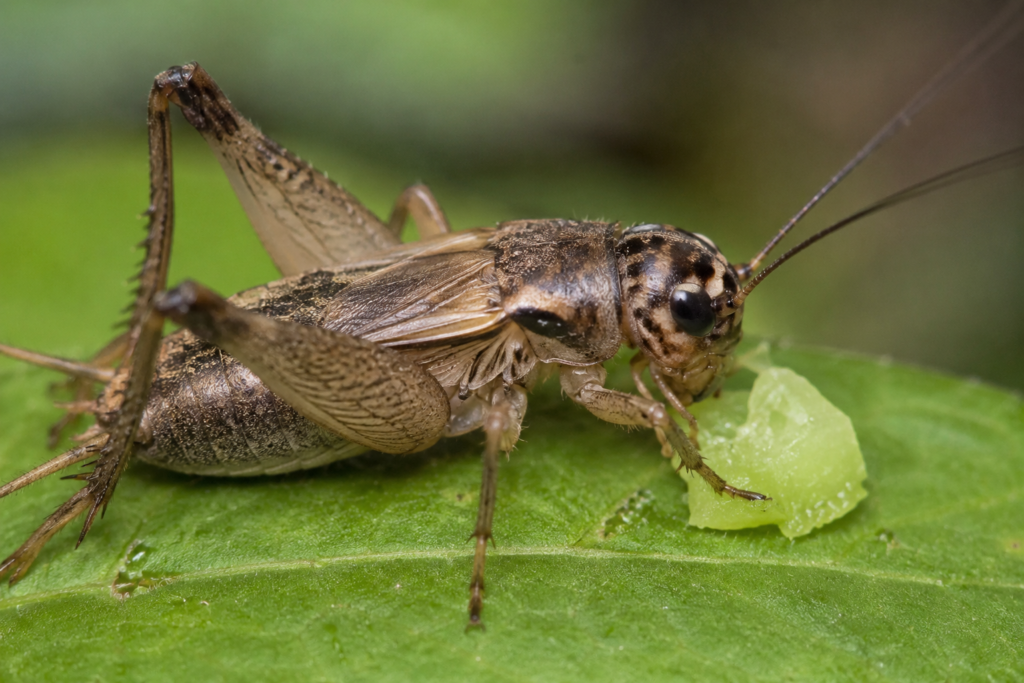
Crickets are omnivores, which means their diet includes both plant material and animal matter. In the wild, this flexibility is one of the main reasons they’ve managed to spread into such a wide variety of habitats, from grasslands and forests to urban basements and garden sheds. Rather than relying on a single food source, crickets take advantage of whatever is available in their immediate environment, adjusting their feeding habits based on the season, location, and what happens to be nearby.
Most of a wild cricket’s diet consists of plant-based material, including grasses, leaves, seeds, fruits, and flowers. They’re particularly drawn to decaying organic matter, which makes them an important part of the natural decomposition process in many ecosystems. This isn’t a sign of desperation or poor nutrition, decomposing plant material is actually rich in nutrients that crickets can digest easily, and it forms a regular part of their diet even when fresher food is available nearby.
Do Crickets Eat Meat and Other Insects
While plants make up the bulk of a cricket’s diet, they are not strictly herbivorous, and this often surprises people who assume all small insects stick to a vegetarian diet. Crickets are opportunistic feeders, meaning they’ll consume animal protein whenever the chance presents itself. This includes smaller insects, insect larvae, and even other crickets under certain conditions, particularly when food is scarce or population density in a given area becomes high.
Cannibalism among crickets is a well-documented behavior, especially in crowded environments like breeding enclosures or dense wild populations experiencing food shortages. Weaker, injured, or recently molted crickets are particularly vulnerable, since their softer exoskeletons make them easier targets for hungrier members of the same species. This behavior is one of the key reasons anyone raising crickets in captivity needs to pay close attention to feeding schedules and population density, since a lack of adequate food can quickly lead to significant losses within a colony.
What Crickets Eat in a Garden or Backyard Setting
If crickets have taken up residence in your garden, their diet there closely mirrors what they’d eat in a wild grassland environment. They tend to feed on a wide variety of plants, including grass blades, clover, dandelions, and the leaves of vegetable plants, which occasionally puts them at odds with gardeners trying to protect a vegetable patch. While a small number of crickets rarely causes significant damage, larger populations can sometimes chew through seedlings or young plants, particularly during dry periods when other food sources become scarce.
Crickets in outdoor settings also feed heavily on fallen fruit, decaying leaves, and organic debris that accumulates in garden beds, compost piles, and mulched areas. This scavenging behavior actually provides a modest ecological benefit, since crickets help break down organic matter and contribute to nutrient cycling in the soil. Gardeners who notice crickets around compost bins or leaf piles are usually seeing this natural feeding behavior in action rather than witnessing any kind of infestation or problem requiring intervention.
Household Crickets and What They Feed On Indoors
Crickets that find their way indoors, often into basements, garages, or damp areas of a home, adapt their feeding habits to whatever organic material happens to be available in that environment. Indoors, they may feed on fabric, paper products, and even certain types of stored food if given the opportunity, though this is far less common than their outdoor feeding habits. Damp, dark areas with accumulated debris tend to attract crickets not just because these spaces offer shelter, but because they often contain enough organic material to sustain a small population for a while.
Homeowners dealing with an indoor cricket problem often notice these insects near sources of moisture, since crickets need regular access to water in addition to food. Leaky pipes, damp basements, and areas with poor ventilation create ideal conditions for crickets to settle in, particularly during colder months when outdoor food sources become scarce. Addressing moisture issues and reducing clutter where organic debris can accumulate is typically more effective for managing indoor cricket populations than focusing solely on their food sources.
Feeding Crickets as a Pet Reptile Food Source
One of the most common reasons people research what crickets eat has nothing to do with wild insects at all, but rather with feeder crickets raised specifically to feed reptiles, amphibians, and other pets. Bearded dragons, geckos, frogs, and various other insectivorous pets rely on crickets as a primary protein source, which means the nutritional quality of those crickets directly affects the health of the animal eating them. This has led to an entire practice known as gut-loading, where crickets are fed a nutrient-dense diet in the days before being offered to a pet.
Gut-loading involves feeding crickets high-quality foods rich in calcium, vitamins, and other nutrients shortly before they’re used as feeders, essentially turning the cricket into a more nutritious meal for the animal that eats it. Common gut-loading foods include leafy greens, sweet potatoes, carrots, and specially formulated commercial gut-load products designed to maximize nutritional content. This practice has become standard advice among reptile keepers, since crickets that haven’t been properly fed offer significantly less nutritional value to the pets relying on them.
Best Foods for Raising Healthy Feeder Crickets
For anyone raising crickets specifically as feeder insects, establishing a consistent and balanced diet is essential for keeping the colony healthy and productive. Commercial cricket feed, widely available at pet stores and online retailers, typically provides a well-balanced base diet formulated with the right mix of protein, carbohydrates, and essential nutrients. Many keepers supplement this base diet with fresh vegetables like carrots, squash, and leafy greens, which also help provide hydration alongside solid nutrition.
Protein sources are equally important for maintaining a healthy cricket colony, and options range from fish flake food to specially formulated insect protein supplements. Overcrowding combined with insufficient protein is one of the fastest ways to trigger cannibalistic behavior within a colony, so experienced keepers make sure protein-rich food remains consistently available, particularly in larger enclosures housing significant cricket populations. Rotating between different food types also helps prevent nutritional deficiencies that can develop when crickets are fed the same limited diet for extended periods.
How Crickets Get Water and Why Hydration Matters
Food alone isn’t enough to keep crickets alive and healthy, hydration plays an equally critical role in their survival, both in the wild and in captivity. In natural settings, crickets absorb moisture from dew, rainfall, and the water content found in fresh plant material, fruits, and vegetables they consume. This is one of the reasons crickets are often found in damp, shaded areas, since these environments naturally provide more consistent access to moisture than dry, exposed locations.
In captivity, providing a dedicated water source becomes essential, though standing water presents a real drowning risk given how small and lightweight crickets are. Many keepers use water crystals, gel-based hydration products, or a water dish filled with cotton balls or a sponge to reduce the risk of accidental drowning while still giving crickets reliable access to moisture. Fresh fruits and vegetables also serve a dual purpose in captivity, providing both nutrition and a meaningful source of hydration, particularly for keepers who prefer to minimize standing water within an enclosure.
Foods Crickets Should Avoid
While crickets are flexible eaters, certain foods can cause problems if offered regularly or in large quantities. Citrus fruits, for example, are generally avoided by experienced keepers, since the acidity can cause digestive issues in some insects, though occasional small amounts typically don’t cause significant harm. Similarly, foods high in fat or heavily processed ingredients offer little nutritional value and can contribute to health problems within a cricket colony over time.
Moldy or spoiled food presents a more serious concern, since it can introduce harmful bacteria or fungal growth into an enclosure, potentially leading to widespread illness across an entire colony. This is particularly important for anyone raising crickets as feeder insects, since a sick colony not only affects the crickets themselves but can also pass health issues along to any pets that consume them. Regularly removing uneaten food, especially fresh produce that spoils quickly, helps maintain a clean, healthy environment and reduces the risk of contamination.
Seasonal Changes in a Cricket’s Diet
A cricket’s diet doesn’t remain static throughout the year, and seasonal changes in food availability significantly influence their feeding behavior in the wild. During spring and summer, when plant growth is abundant, crickets have access to a wide variety of fresh grasses, leaves, and flowering plants, allowing for a more varied and nutrient-rich diet. This period typically coincides with peak breeding activity, and the increased availability of food plays a direct role in supporting larger, healthier populations during these warmer months.
As autumn approaches and food sources become scarcer, crickets often shift toward relying more heavily on decaying organic matter, seeds, and whatever remaining vegetation is still available. This seasonal scarcity is also part of why crickets are more likely to move indoors as temperatures drop, seeking both shelter from the cold and access to food sources that have become harder to find outdoors. Understanding this natural seasonal shift helps explain why cricket activity, both feeding and chirping, tends to peak during warmer months and decline significantly as winter approaches.
The Role of Diet in Cricket Growth and Lifecycle
A cricket’s diet plays a direct role in its growth and development throughout its lifecycle, from the moment it hatches as a nymph to its eventual maturity as an adult capable of reproducing. Nymphs, the juvenile stage of a cricket’s life, require consistent access to nutrient-rich food to support the multiple molting stages they go through before reaching adulthood. Poor nutrition during this critical growth period can lead to smaller, weaker adults, which is particularly relevant for anyone raising crickets commercially or as a hobby.
Adult crickets continue to rely on a steady diet to support reproduction, energy for movement, and the chirping behavior most people associate with these insects. Male crickets, in particular, expend significant energy producing their characteristic chirping sound, which requires adequate nutrition to sustain over extended periods during breeding season. This connection between diet and reproductive success is one of the reasons commercial cricket farms place such heavy emphasis on consistent, balanced feeding practices, since undernourished colonies produce fewer offspring and lower-quality feeder insects overall.
Commercial Cricket Farming and Diet Management
Cricket farming has grown into a significant industry, driven both by demand for feeder insects in the pet trade and by growing interest in crickets as a sustainable protein source for human consumption in some markets. Large-scale operations manage diet with considerably more precision than a typical hobbyist, often using carefully formulated feed blends designed to maximize growth rates, reproductive output, and overall colony health. These commercial diets are frequently developed with input from entomologists and nutritionists who study exactly what nutrients crickets need at each stage of development.
Sustainability is another factor driving interest in cricket farming, since crickets require significantly less feed, water, and land compared to traditional livestock while still providing a substantial protein yield. This efficiency has made cricket farming an area of growing research interest, particularly as global conversations around sustainable food production continue to expand. While cricket farming for human consumption remains a niche market in many parts of the world, understanding what crickets eat and how efficiently they convert that food into protein helps explain why this industry continues to attract attention from researchers and entrepreneurs alike.
Common Myths About What Crickets Eat
There are a surprising number of misconceptions floating around about cricket diets, and clearing these up helps set realistic expectations for anyone dealing with these insects, whether in a garden or a feeder colony. One common myth suggests that crickets survive purely on decaying matter and can’t digest fresh, healthy food, when in reality fresh vegetables, fruits, and quality commercial feed are not only digestible but genuinely beneficial to their health and nutritional value as feeder insects.
Another persistent myth is that crickets don’t need water since they can survive entirely on the moisture content of their food. While crickets can survive for periods relying solely on food-based hydration, providing a dedicated, safe water source significantly improves their health, longevity, and reproductive success, particularly in captivity where environmental conditions are more controlled and predictable than in the wild. Recognizing these myths helps both casual observers and serious keepers make better-informed decisions about how to properly care for or coexist with crickets in different settings.
Conclusion
Understanding what do crickets eat reveals just how adaptable and resourceful these small insects really are. From wild populations feeding on grasses, decaying plant matter, and the occasional protein source, to carefully managed feeder colonies raised on balanced, nutrient-rich diets, crickets have developed feeding strategies suited to nearly any environment they find themselves in. Their omnivorous, opportunistic approach to food is a major reason they’ve become one of the most widespread and successful insects on the planet.
Whether you’re trying to manage crickets in your garden, curious about the ones chirping in your basement, or responsible for raising a healthy colony to feed a pet reptile, knowing what crickets eat gives you a practical foundation for making informed decisions. A well-fed cricket, whether wild or captive, is a healthier one, and that knowledge ultimately benefits everyone from casual homeowners to dedicated reptile keepers relying on these resilient little insects.
Frequently Asked Questions About What Crickets Eat
What do crickets eat in the wild?
Wild crickets primarily eat grasses, leaves, seeds, fruits, and decaying plant matter, supplementing this plant-based diet with occasional protein from smaller insects or other crickets when available. Their diet shifts seasonally based on what food sources are most abundant in their immediate environment.
Do crickets eat other crickets?
Yes, crickets can be cannibalistic, particularly in crowded environments or when food supplies run low. This behavior is especially common toward weaker, injured, or recently molted crickets, which is why proper feeding and adequate space are important when raising crickets in captivity.
What is the best food for feeder crickets?
A combination of commercial cricket feed, fresh vegetables like carrots and leafy greens, and a reliable protein source generally provides the most balanced diet for feeder crickets. Gut-loading crickets with nutrient-rich foods shortly before feeding them to a pet also improves the nutritional value they provide.
Can crickets eat fruit?
Yes, crickets can eat a variety of fruits, and doing so provides both nutrition and hydration. However, citrus fruits are generally avoided due to their acidity, and any fruit offered should be fresh, since spoiled produce can introduce harmful bacteria into an enclosure.
Do crickets need water to survive?
Yes, crickets need regular access to moisture, which they can obtain either from fresh food or a dedicated water source. In captivity, using water crystals or a sponge-filled dish is recommended to prevent drowning, since standing water poses a real risk to such small, lightweight insects.
Why are crickets in my house, and what are they eating indoors?
Crickets typically move indoors seeking shelter and moisture, particularly as outdoor temperatures drop or food sources become scarce. Once inside, they may feed on fabric, paper, or organic debris, often gathering in damp, cluttered areas like basements or garages.
How often should feeder crickets be fed?
Feeder crickets should generally have consistent access to food and water at all times, with fresh produce replaced every day or two to prevent spoilage. Regular feeding not only supports colony health but also reduces the likelihood of cannibalistic behavior caused by food shortages.
Is cricket farming for food sustainable?
Cricket farming is often considered more sustainable than traditional livestock farming, since crickets require significantly less feed, water, and land to produce a comparable amount of protein. This efficiency has made cricket farming an area of growing interest within sustainable food production research.