
Instagram tells you plenty about your own account, but almost nothing about anyone else’s. That gap is exactly why a tool called Dolphin Radar has been showing up in so many searches lately. People want to know who someone is following, whose posts they’re liking, and how their activity is changing over time, and Instagram’s native app simply doesn’t offer that window into other accounts.
Dolphin Radar has positioned itself as an answer to that curiosity gap. It’s a web-based platform that promises to track publicly visible Instagram activity, from likes and follows to story views and behavioral patterns, without requiring anyone’s login credentials. That pitch has made it popular among marketers, researchers, parents, and plenty of everyday users who are simply curious about what’s happening on a public profile they don’t control.
This guide breaks down what Dolphin Radar actually is, how it works, what it can and cannot see, whether it’s safe to use, and what the honest tradeoffs look like compared to other tools in the same space. Along the way, we’ll separate verified facts from marketing claims and flag the ethical questions that come with any activity-tracking tool.
What Is Dolphin Radar
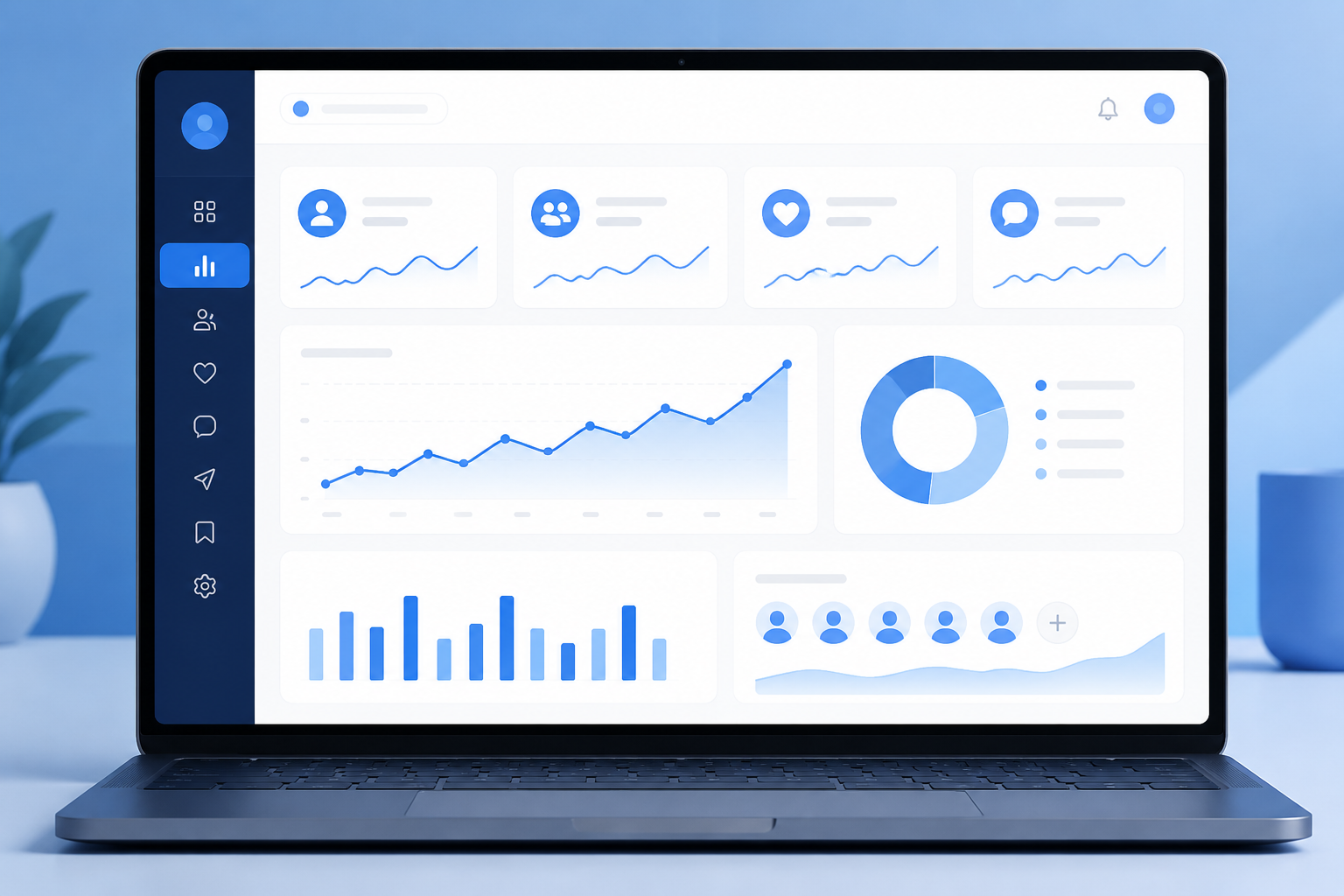
Dolphin Radar is a subscription-based Instagram activity tracker that analyzes publicly available data from Instagram accounts. Rather than connecting to your own Instagram profile or requiring a password, it works by having you enter a public username, after which it begins compiling information such as follower changes, likes, story views, and other visible engagement signals into structured reports and dashboards.
The core idea behind the tool is fairly simple: Instagram removed its own activity feed years ago, and since then there’s been no built-in way to see what a public account is doing beyond scrolling through its posts manually. Dolphin Radar, like a handful of similar services, fills that gap by continuously monitoring a chosen profile and organizing the findings into something readable, typically delivered as weekly reports rather than instant, real-time alerts.
It’s also worth clarifying a common point of confusion. Dolphin Radar is not related to Dolphin{anty}, a separate browser tool used for managing multiple accounts, nor is it a growth-hacking or automation platform in the traditional sense. Its stated purpose is observation and analysis, not posting, messaging, or interacting with accounts on your behalf. That distinction matters because it shapes both what the tool is useful for and where its limitations lie.
How Dolphin Radar Works Behind the Scenes
The mechanics of Dolphin Radar are less mysterious than they might initially sound. A user enters the Instagram username they want to monitor, and the platform begins pulling whatever information is publicly visible on that profile, meaning content and activity that anyone could technically see by browsing Instagram directly, just compiled automatically instead of manually. No password, verification code, or account linking is required from either the person doing the tracking or the account being tracked.
From there, the system builds what’s often described as a behavioral snapshot, comparing data points over time to identify changes such as new followers, accounts that were unfollowed, posts that received likes, and story views where visibility allows it. Because the underlying data collection typically runs on a scheduled basis rather than continuously, most reports update weekly, which means Dolphin Radar functions more like an ongoing research tool than a live notification service.
This distinction is one of the most consistently repeated points across independent reviews of the platform: Dolphin Radar is not designed for instant answers. If someone wants to know what a friend liked five minutes ago, this isn’t the right tool. It’s built for people who are comfortable checking in periodically and watching patterns develop across days or weeks, which suits research, competitive analysis, and long-term monitoring far better than real-time curiosity.
Key Features Offered by Dolphin Radar
The feature set is broader than many comparable tools, which is part of why Dolphin Radar has attracted attention beyond casual users. The most commonly cited capability is like tracking, which shows which posts a monitored account has engaged with over time, something Instagram’s own interface no longer displays publicly. This alone sets it apart from simpler trackers that only monitor follows and unfollows.
Follower and following tracking rounds out the core toolkit, letting users see who a profile has recently followed, who it stopped following, and how its overall follower count has shifted. Several reviews also mention a follower export function, story and reel viewing tools that allow anonymous viewing without appearing in the account’s viewer list, and a comment viewer for checking engagement on specific posts. These features together create a fairly complete picture of an account’s public behavior.
On higher-tier plans, Dolphin Radar adds AI-generated behavioral insights, which reportedly include modules covering interests, personality type estimates, relationship pattern analysis, and even rough location indicators drawn from public activity signals. These AI modules are the platform’s most distinctive offering compared to competitors, though they’re also the feature most worth approaching with healthy skepticism, since personality and relationship inferences drawn from public social media activity are inherently limited and should never be treated as definitive conclusions about a real person.
Dolphin Radar Pricing: What It Actually Costs
Pricing for Dolphin Radar varies depending on the plan and billing cycle, and multiple independent sources point to a starting price in the range of roughly $2.75 to $4.49 per month, with the lower figure typically tied to annual billing and the higher figure reflecting month-to-month plans. Several reviewers have highlighted this as notably affordable compared to broader social media management suites, which often start much higher.
It’s important to note that the platform does not appear to offer a full free trial of its core Social Insights tracking service, though it does provide limited free tools, such as a basic follower export capped at a set number of entries, a comment viewer showing a restricted number of comments per post, and a preview-style unfollower tracker. These free features let prospective users test the interface and data quality before committing to a paid tier, which is a reasonable way to evaluate whether the tool fits your needs.
Because subscription pricing, plan structures, and promotional offers change over time across most SaaS platforms, the most reliable way to confirm current Dolphin Radar pricing is to check the official pricing page directly rather than relying on any single review, including this one. Payment processing is reportedly handled through Stripe, meaning the platform itself does not directly store users’ financial information.
Is Dolphin Radar Safe to Use
Safety questions around any Instagram tracking tool typically center on two separate issues: whether the tool itself is secure and trustworthy, and whether using it puts your own Instagram account at risk. On the first point, Dolphin Radar does not ask users to provide their own Instagram login credentials, which meaningfully reduces the risk compared to tools that require account access to function. Multiple independent reviews note the absence of reported malware, credential theft, or major security incidents tied to the platform as of 2026.
On the second point, because Dolphin Radar only reads publicly visible data rather than performing actions like automated following, liking, or messaging, it doesn’t interact with Instagram’s platform in ways that typically trigger spam detection or account restrictions, unlike growth-automation tools that mimic bot-like behavior. This is a meaningful distinction, since many Instagram-related account bans stem specifically from automated engagement activity rather than passive data viewing.
That said, “safe” doesn’t automatically mean “risk-free” or “fully within Instagram’s rules.” Several reviewers have pointed out that third-party scraping of public data, even when done passively, can sit in a gray area relative to Instagram’s terms of service, which generally restrict automated data collection regardless of whether that data is technically public. Users should go in understanding that this is a genuine legal and policy gray zone rather than a clearly sanctioned activity, even though enforcement against individual users appears to be uncommon.
Privacy and Ethical Considerations Worth Thinking About
Beyond the technical safety question, there’s a broader ethical dimension to any activity-tracking tool that deserves honest discussion. Dolphin Radar and similar platforms are marketed toward legitimate use cases such as competitive research for marketers, brand monitoring for businesses, and parents wanting visibility into a child’s public online activity. These are reasonable, defensible reasons to use a tool like this, and they represent real gaps that Instagram’s own analytics simply don’t fill.
At the same time, the same underlying capability, monitoring someone’s likes, follows, and activity patterns without their knowledge, can just as easily be used for less appropriate purposes, including monitoring a partner, ex-partner, or acquaintance in ways that cross into surveillance or controlling behavior. The tool itself doesn’t distinguish between a marketer researching a competitor’s audience and someone tracking an ex-partner’s every like. That responsibility falls entirely on the person using it.
A useful gut-check before using any tracking tool like this is a simple one: would you be comfortable if the situation were reversed, and someone was using this same tool to monitor your own public activity? If the answer is no, that’s a strong signal the intended use crosses a line, regardless of what the platform’s terms of service technically permit. Responsible use matters here just as much as the tool’s technical safety.
What Dolphin Radar Cannot Do
Understanding the limitations of Dolphin Radar is just as important as understanding its features, particularly because some competing marketing claims in this space overstate what any public-data tool can realistically deliver. First and most fundamentally, Dolphin Radar cannot access private Instagram accounts. If a profile is set to private, the tool has no way around that barrier, because Instagram itself blocks that content from anyone who isn’t an approved follower, and no third-party tool can legitimately bypass that restriction.
Second, if a monitored account switches from public to private at any point, tracking simply stops working for that profile, regardless of subscription tier. This is a structural limitation tied to Instagram’s own architecture rather than something Dolphin Radar’s pricing plans can override, and any tool claiming otherwise should be treated with significant skepticism.
Third, because most reports run on a weekly refresh cycle rather than continuous real-time monitoring, rapid activity, such as someone following and then quickly unfollowing an account within the same reporting window, can be missed entirely. Users looking for instant, live notifications of Instagram activity may find this reporting cadence too slow for their needs, and it’s worth setting expectations accordingly before subscribing.
How Dolphin Radar Compares to Similar Tools
Dolphin Radar sits within a small but active category of Instagram activity trackers, and understanding how it compares to alternatives helps clarify whether it’s the right fit. Tools like Snoopreport focus more narrowly, primarily tracking which posts an account likes along with basic follow data, without offering story viewing, content downloads, or AI-driven behavioral analysis. For users who only care about one specific data point, a narrower tool can be simpler and sometimes cheaper.
Other alternatives, such as mobile-first apps focused specifically on recent follow activity, appeal to users who want a lightweight, real-time experience on their phone rather than a broader web dashboard. These tools typically trade breadth for speed and simplicity, offering faster notifications about a narrower slice of activity rather than the fuller behavioral picture Dolphin Radar aims to provide.
The general pattern across comparisons is fairly consistent: Dolphin Radar tends to win on breadth, covering likes, follows, stories, and AI insights in a single dashboard, while narrower competitors sometimes win on speed, simplicity, or platform preference, such as a dedicated mobile app versus a web-only interface. Choosing between them ultimately comes down to whether you want one comprehensive tool or a lighter, more focused option built around a single use case.
Who Actually Benefits From Using Dolphin Radar
Digital marketers and social media managers represent one of the clearest use cases, since understanding how a competitor’s audience engages, what content performs well, and how follower growth trends shift over time can meaningfully inform content and campaign strategy. For agencies managing multiple client accounts, this kind of competitive intelligence is difficult to gather manually at scale, making an automated tracking tool genuinely valuable.
Researchers and analysts working in fields like open-source intelligence also find structured activity data useful, particularly when investigating patterns such as suspicious follower growth, coordinated account behavior, or verifying claims tied to public social media activity. Journalists covering influence campaigns or platform manipulation have similarly cited tools in this category as helpful for backing up reporting with data rather than relying purely on manual observation.
Parents represent another commonly cited use case, particularly for keeping informal visibility into a teenager’s public Instagram activity without demanding full account access or passwords, which can feel invasive to a child while a lighter-touch public activity check might feel more proportionate. Even here, though, open conversation about digital boundaries tends to work better long-term than covert monitoring alone, and most child-safety experts recommend combining any tracking tool with honest dialogue rather than relying on surveillance as a substitute for trust.
Making a Final Decision About Dolphin Radar
Deciding whether Dolphin Radar is worth using ultimately comes down to matching the tool’s actual capabilities against your specific reason for wanting it. If your goal is genuine competitive research, brand monitoring, or long-term behavioral pattern analysis on public accounts, the platform’s breadth of features and relatively low starting price make it a reasonable option worth testing through its free preview tools before committing to a paid tier.
If, on the other hand, you’re looking for instant, real-time alerts the moment something happens, or you need access to a private account, Dolphin Radar isn’t going to deliver either of those things, and no amount of subscription spending changes that. Being clear-eyed about what any public-data tool can and cannot do will save both money and frustration, regardless of which specific platform you ultimately choose.
Whatever tool you land on, the responsible-use principle stays the same. Public data tracking exists in a space where legality, platform policy, and personal ethics don’t always line up neatly, and the burden of using that access thoughtfully rests with the individual, not the software.
Frequently Asked Questions About Dolphin Radar
Is Dolphin Radar free to use?
Dolphin Radar offers limited free tools, including a basic follower export, a restricted comment viewer, and an unfollower preview, but its full Social Insights tracking service, including AI behavioral reports, requires a paid subscription. There is no complete free trial of the premium tracking features based on currently available information.
Does Dolphin Radar require an Instagram password?
No. Dolphin Radar does not ask for the login credentials of either the person using the tool or the account being tracked. It works entirely by analyzing publicly visible Instagram data after a username is entered.
Can Dolphin Radar track private Instagram accounts?
No. Dolphin Radar, like any legitimate public-data tool, cannot access private accounts. If a profile is set to private, tracking is not possible regardless of subscription plan, since Instagram itself restricts that content to approved followers only.
Will the person I’m tracking know I’m using Dolphin Radar?
According to the platform and independent reviews, tracked accounts do not receive notifications and the tool does not appear in Instagram’s activity or viewer logs. Story and reel viewing features are also designed to operate anonymously.
Is using Dolphin Radar legal?
Using Dolphin Radar to view publicly available data is generally not illegal, but passive scraping of public Instagram data can exist in a gray area relative to Instagram’s own terms of service, which restrict certain automated data collection. Enforcement against individual users appears uncommon, but it’s not a clearly sanctioned activity either.
How often does Dolphin Radar update its data?
Most reports and dashboards update on a weekly basis rather than in real time. Users looking for instant notifications about Instagram activity may find the reporting cadence slower than expected, since the platform is built more for ongoing pattern analysis than live alerts.
Is Dolphin Radar different from Dolphin{anty}?
Yes, these are entirely separate products despite the similar name. Dolphin{anty} is an anti-detect browser used for managing multiple accounts, while Dolphin Radar is strictly focused on Instagram activity tracking and analytics.
What happens if the tracked account goes private?
If a monitored account switches to private at any point, Dolphin Radar loses access to that profile’s data immediately. This limitation applies across all subscription tiers, since it stems from Instagram’s platform restrictions rather than the tool’s own capabilities.
Conclusion
Dolphin Radar fills a genuine gap left by Instagram’s decision to remove visibility into other accounts’ public activity years ago. For marketers doing competitive research, analysts investigating suspicious patterns, or parents wanting light-touch visibility into a teenager’s public presence, it offers a fairly comprehensive set of tools at a price point that’s difficult to match elsewhere in the same category.
At the same time, it’s worth approaching Dolphin Radar with realistic expectations. It works on public data only, updates on a weekly cycle rather than instantly, and cannot bypass Instagram’s own privacy restrictions no matter how much you’re willing to pay. Just as importantly, the same tracking capability that makes it useful for legitimate research can also enable less appropriate monitoring behavior, which means responsible, thoughtful use matters just as much as the tool’s technical features.
Whether Dolphin Radar turns out to be the right fit ultimately depends on your specific goal, your comfort with its weekly reporting cadence, and whether you’re using it for a purpose you’d feel comfortable standing behind if the person being tracked ever found out. Understood on those terms, Dolphin Radar is a capable, reasonably priced tool for a fairly narrow but genuinely useful job.