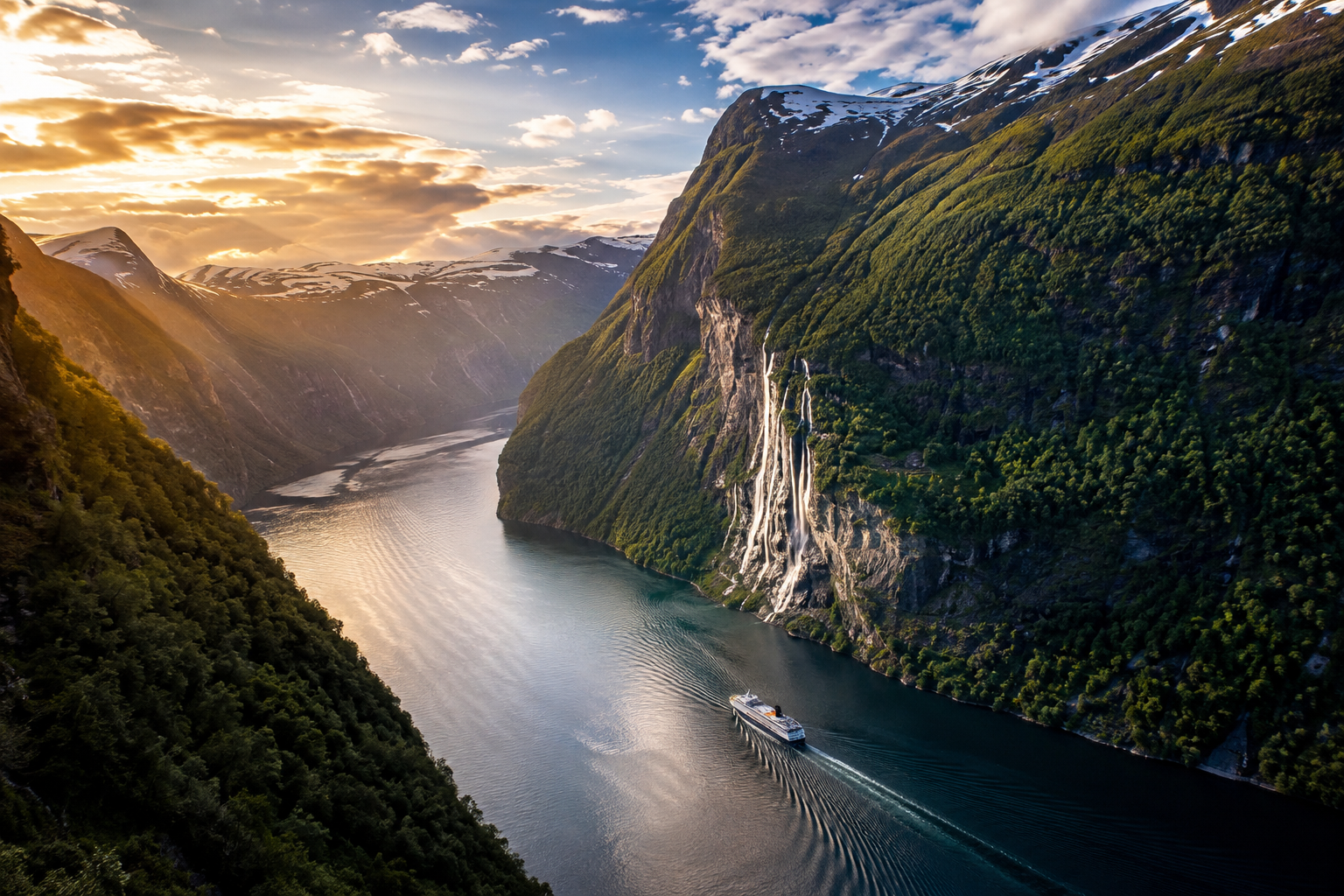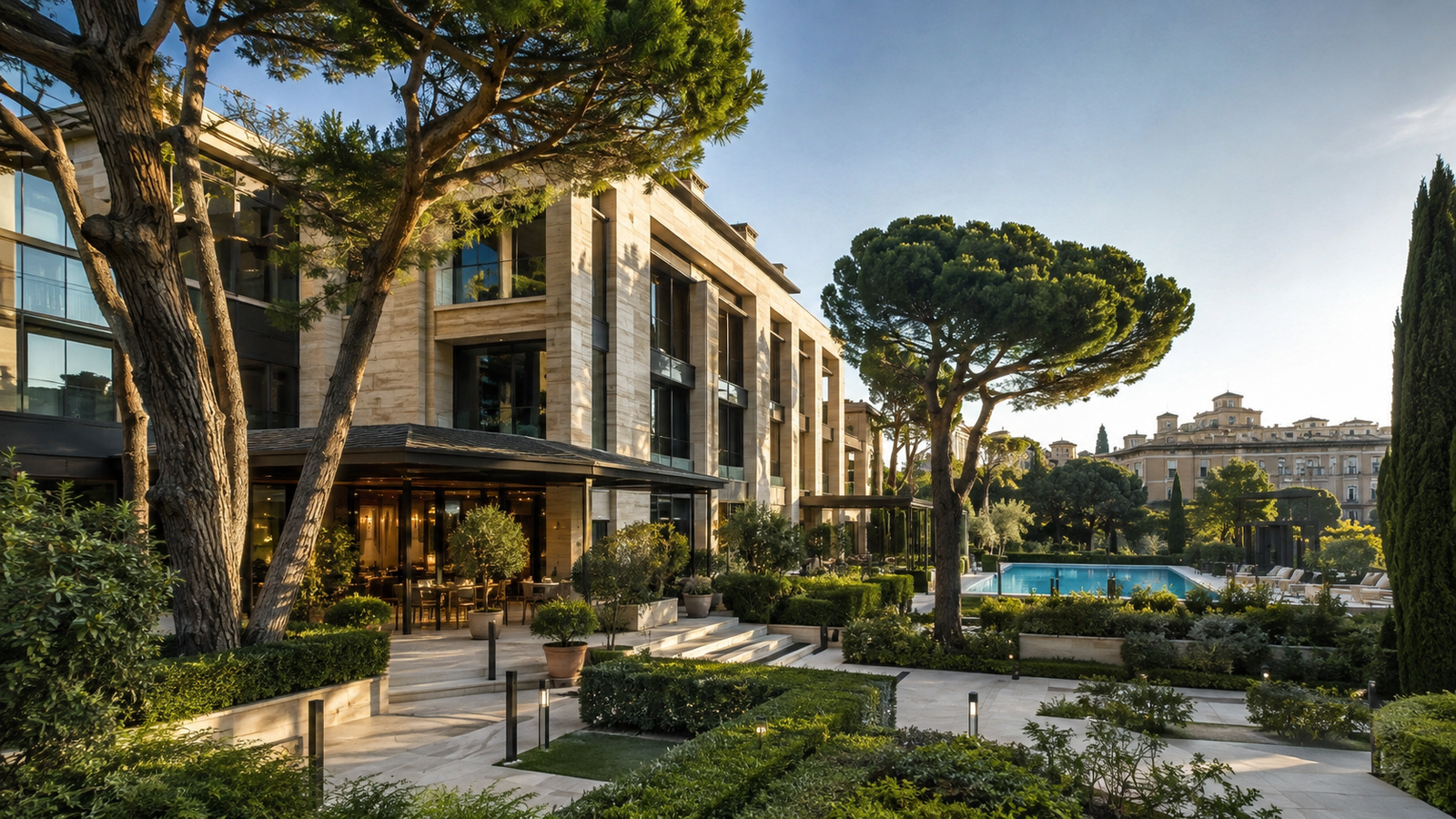

Ireland has a way of pulling people in long before they even book a flight. Maybe it’s the image of green hills rolling down to the Atlantic, or the sound of a fiddle drifting out of a pub on a rainy evening, or simply the promise of a country where history, myth, and everyday life seem to sit comfortably side by side. Whatever draws you in, the real question most travelers ask once they start planning is simple: where should you actually go? With castles around nearly every bend, cliffside walks that take your breath away, and cities that manage to feel both lived-in and larger than life, narrowing down the best places to visit in Ireland can feel surprisingly difficult for a country of its size.
This guide is built to make that decision easier. Rather than throwing a long, unstructured list at you, it walks through the destinations that consistently earn their reputation, explains what makes each one worth your time, and gives you practical context for planning a trip that actually fits how you like to travel. Whether you are drawn to buzzing city streets, quiet coastal drives, ancient ruins, or a proper pint in a village pub, Ireland has a corner that will feel like it was made for you. By the end of this article, you should have a clear, realistic picture of the best places to visit in Ireland and how to fit them into an itinerary that works for your time, budget, and interests.
Why Ireland Deserves a Spot on Your Travel List
best places to visit in ireland is a relatively small country, yet it manages to pack in an extraordinary range of experiences within a few hours’ drive of one another. In a single day, you can walk along dramatic sea cliffs, explore a medieval castle, and end the evening in a lively pub listening to live traditional music. This compactness is part of what makes the country so appealing to travelers who don’t want to spend half their trip in transit, and it’s a big reason road trips remain one of the most popular ways to explore the island.
Beyond the scenery, there’s a cultural depth to Ireland that tends to surprise first-time visitors. The country’s history stretches back thousands of years, visible in ancient passage tombs older than the pyramids, early Christian monastic settlements, and castles that have witnessed centuries of change. Layered on top of that history is a modern, creative energy found in cities like Dublin and Galway, where literature, music, and food culture continue to evolve. This blend of old and new gives Ireland a personality that feels distinct from almost anywhere else in Europe, and it’s exactly why so many travelers return more than once.
Dublin Where History Meets Modern Irish Culture
Most visits to Ireland begin in Dublin, and for good reason. The capital city offers an accessible introduction to Irish culture, blending centuries-old landmarks with a modern, walkable city center full of bookshops, cafes, and lively pubs. Trinity College, home to the famous Book of Kells, draws visitors into a world of illuminated medieval manuscripts and grand library halls, while nearby Dublin Castle offers a glimpse into the political history that shaped the country. For many travelers, these sights form the backbone of a first day exploring the capital.
Beyond the historic core, Dublin has plenty to offer those interested in food, music, and everyday city life. The Guinness Storehouse remains one of the country’s most visited attractions, offering an interactive look at how Ireland’s most famous stout is brewed, capped off with sweeping views of the city from its rooftop bar. The Temple Bar district, while touristy, still delivers on its promise of live music and buzzing energy after dark, and areas like Georgian Dublin showcase elegant architecture that reflects the city’s eighteenth-century prosperity. Spending two to three days here gives most travelers enough time to settle into the rhythm of the city before heading out to explore the rest of the country.
The Cliffs of Moher Ireland’s Most Iconic Natural Wonder
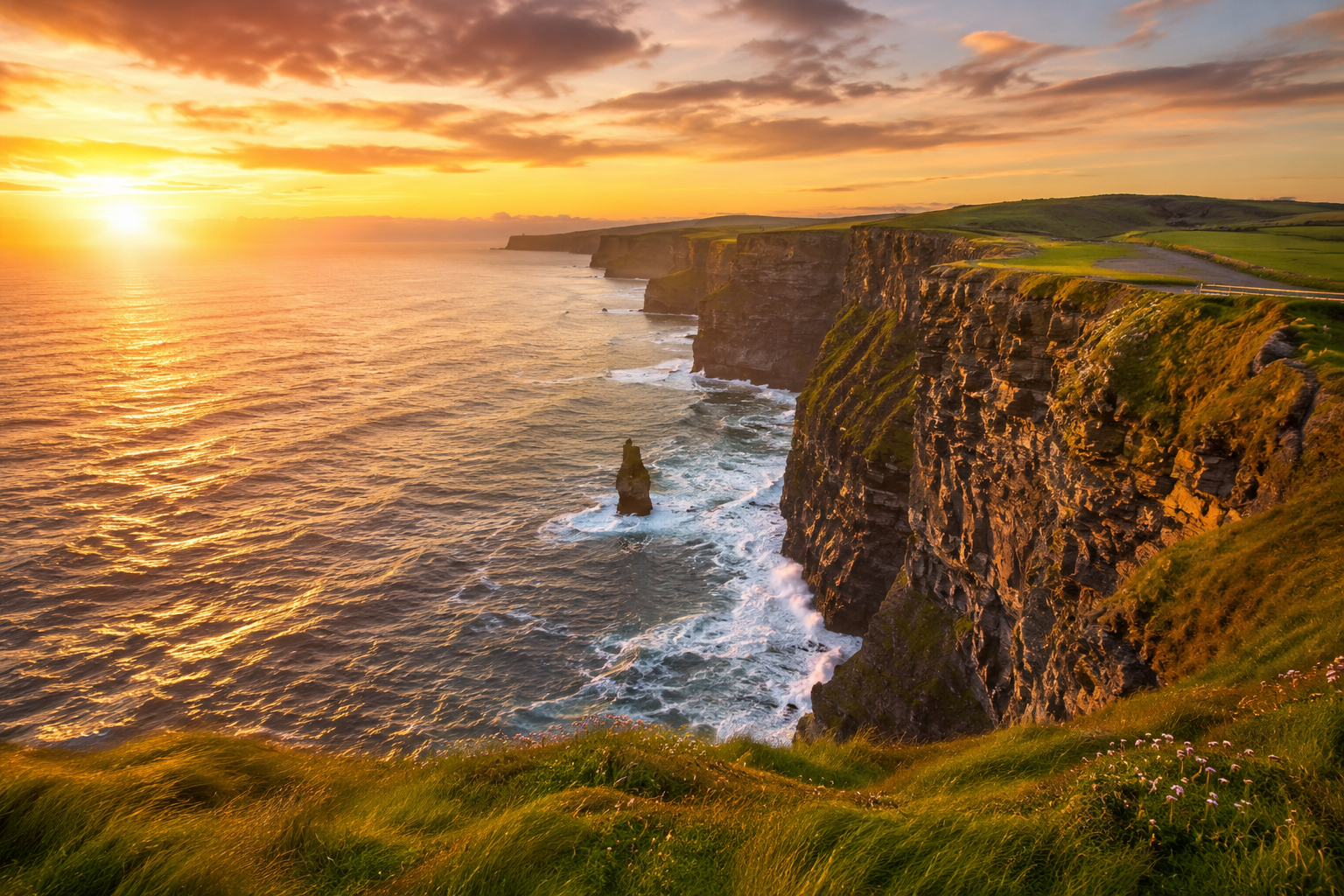
Few images represent Ireland quite as powerfully as the Cliffs of Moher, and they remain one of the best places to visit in Ireland for anyone drawn to dramatic natural scenery. These cliffs are the single most visited natural attraction in the country, drawing more than one million visitors annually, and it becomes clear why the moment you stand at the edge and look out over the Atlantic. Stretching along the County Clare coastline, the cliffs rise sharply from the water, offering views that stretch out toward the Aran Islands on a clear day.
Visiting the cliffs doesn’t require an entire day, but many travelers choose to combine the trip with a wider exploration of the surrounding Burren region, an otherworldly limestone landscape unlike anywhere else in Ireland. Walking trails along the cliff edge allow for closer views, though caution is essential given the sheer drop and unpredictable coastal winds. Tours are widely available from Dublin, Galway, Limerick, and nearby Doolin, making the cliffs accessible even for travelers without a rental car. For photographers and nature lovers alike, this stop consistently ranks among the most memorable parts of any Irish itinerary.
Galway: A Coastal City Full of Character
On the west coast sits Galway, a city that manages to feel both cozy and endlessly lively. Its compact, walkable center is filled with colorful shopfronts, buskers performing on nearly every corner, and pubs that spill out onto cobbled streets during warmer months. Galway has long been considered one of Ireland’s cultural capitals, and its reputation as a hub for traditional music, art, and festivals continues to draw visitors who want a taste of authentic Irish city life without the scale of Dublin.
Galway also serves as a natural gateway to some of the west of Ireland’s most scenic landscapes, including Connemara and the Aran Islands. The city’s proximity to the coast means fresh seafood is a highlight of any visit, with oysters and chowder appearing on menus throughout the harbor area. Many travelers use Galway as a base for a few nights, taking day trips out to nearby natural attractions before returning each evening to enjoy the city’s famously warm and welcoming pub culture. If you’re building an itinerary around the best places to visit in Ireland, Galway earns its place as both a destination in its own right and a launching point for further exploration.
Killarney National Park and the Ring of Kerry
Few regions capture the classic image of the Irish countryside quite like Killarney National Park in County Kerry. The park encompasses the three Lakes of Killarney, with boat tours across the water offering views of surrounding mountains and wooded islands home to some of the oldest native oakwood in Ireland. Within the park, Muckross House stands as a Victorian-era mansion open to visitors, complete with period-furnished rooms and a working traditional farm that offers insight into rural Irish life from another century.
The park sits at the heart of the Ring of Kerry, one of Ireland’s most famous scenic driving routes, looping around the Iveragh Peninsula and delivering an almost constant stream of coastal views, mountain passes, and small villages. Ross Castle, a well preserved fifteenth century tower house on the edge of Lough Leane, rounds out the area’s historical offerings and provides boat access to the wider lake system. Killarney town itself has grown into a comfortable base for travelers, with a good selection of hotels and restaurants that make it easy to explore the surrounding national park and drive without constant relocation.
The Wild Atlantic Way and County Donegal
Stretching along nearly the entire western coastline, the Wild Atlantic Way is one of the longest defined coastal driving routes in the world, and it connects many of the destinations already mentioned into a single, continuous journey. Rather than treating each stop as isolated, travelers who commit to even a portion of this route get to experience how the landscape shifts gradually, from the cliffs of Clare to the rugged, less-visited coastline further north.
At the northern end of that route sits County Donegal, a region that has increasingly caught the attention of travelers looking for scenery without the larger crowds found further south. Donegal holds a concentration of natural, historical, and cultural assets, anchored by the fifteenth-century Donegal Castle standing in the town center as one of the best-preserved tower houses in the country. The surrounding area is known for its dramatic sea cliffs, quiet beaches, and traditional pubs that have operated for centuries, offering a more understated but equally rewarding version of the coastal experience found elsewhere along the Wild Atlantic Way.
Kilkenny: Medieval Charm in the Heart of Ireland
Inland from the busier coastal routes, Kilkenny offers a different kind of appeal built around remarkably well-preserved medieval architecture. The town’s Medieval Mile serves as its top attraction, home to Kilkenny Castle, St. Canice’s Cathedral, and the Medieval Mile Museum, giving visitors a concentrated dose of history within a compact, walkable area. The narrow, winding streets make it easy to explore on foot, with centuries-old buildings still serving as functioning shops, cafes, and pubs today.
Beyond its historical core, Kilkenny has built a reputation as something of a foodie destination, with a growing number of independent restaurants and markets showcasing Irish produce. Visitors can also learn about brewing traditions at the Smithwick’s Experience, tied to one of Ireland’s most popular ales, adding a lively, contemporary layer to a town otherwise defined by its medieval past. For travelers who want a slower, more relaxed alternative to the bigger cities, Kilkenny offers an easy day trip from Dublin or a comfortable overnight stop on a longer road trip through the southeast.
The Giant’s Causeway and Northern Ireland’s Coastline
Just across the border in Northern Ireland, the Giant’s Causeway remains one of the most geologically fascinating sights on the entire island. Formed by ancient volcanic activity, the site consists of roughly forty thousand interlocking basalt columns that create a strange, almost architectural landscape along the coast. Local legend attributes the formation to the giant Finn McCool, adding a layer of folklore that has been passed down for generations and remains part of the storytelling that guides offer on site.
The surrounding Causeway Coastal Route extends the experience well beyond the columns themselves, taking travelers past dramatic cliffs, the rope bridge at Carrick-a-Rede, and the ruins of Dunluce Castle perched dramatically on a cliff edge. Many visitors combine a trip here with a stop in Belfast, which has its own growing reputation for history, food, and cultural attractions tied to its complex twentieth-century past. Including Northern Ireland in your itinerary adds depth to any list of the best places to visit in Ireland, since the geological and cultural landscape here differs noticeably from what you’ll find further south.
Connemara and the Aran Islands
For travelers seeking a rawer, more remote version of Irish landscape, Connemara delivers in a way few other regions can match. Connemara National Park is home to several peaks of the Twelve Bens mountain range, along with woodlands, grasslands, heaths, and bogs that visitors can explore via several marked hiking trails. The scenery here feels wilder and less curated than some of the country’s more heavily visited spots, appealing strongly to hikers and anyone hoping to disconnect for a day or two.
A short ferry ride from the Galway coast brings travelers to the Aran Islands, three small islands where traditional Irish culture and the Irish language remain deeply woven into everyday life. Inis Mór, the largest of the three, is known for the dramatic clifftop fort of Dún Aonghasa, believed to date back over two thousand years. Cycling around the island remains one of the most popular ways to explore, offering close-up views of the stone walls, small farms, and rugged coastline that define this uniquely preserved corner of Ireland.
Practical Tips for Planning Your Irish Itinerary
Once you’ve settled on which destinations appeal to you most, thinking through logistics becomes the next important step. Ireland’s compact size makes it tempting to try to see everything in a single trip, but distances that look short on a map can take longer than expected on winding rural roads. Renting a car offers the most flexibility for reaching smaller villages and scenic routes, though public transportation, including buses and trains connecting major cities like Dublin, Cork, Galway, and Killarney, remains a workable option for travelers who prefer not to drive.
Weather is another factor worth planning around, since Ireland’s famously changeable climate means packing layers and a reliable rain jacket regardless of the season. Shoulder season months, generally spring and early autumn, tend to offer a reasonable balance between manageable crowds and decent weather, while summer brings the busiest tourist traffic to popular sites like the Cliffs of Moher. Booking accommodation in advance for smaller towns is especially important during peak months, as options can be limited outside the larger cities, and popular guesthouses tend to fill up quickly.
Food, Music and Local Culture Worth Experiencing
No exploration of the best places to visit in Ireland would be complete without touching on the everyday cultural experiences that often become travelers’ favorite memories. Traditional Irish pubs remain central to social life throughout the country, and many still host live traditional music sessions where local musicians gather informally to play. These sessions offer a genuine, unscripted glimpse into Irish culture that feels far removed from anything staged for tourists, and stumbling into one unexpectedly is often cited as a trip highlight.
Irish food culture has also evolved significantly in recent years, moving well beyond the stereotype of stew and soda bread, though both remain comforting staples worth trying. Coastal towns in particular have embraced fresh, locally sourced seafood, while cities like Dublin and Cork have developed thriving restaurant scenes that blend traditional Irish ingredients with modern culinary techniques. Farmers markets, found in towns throughout the country, offer another way to sample local produce, cheese, and baked goods while getting a more grounded sense of daily Irish life outside the main tourist circuit.
Choosing the Right Region Based on Your Travel Style
Not every traveler wants the same kind of trip, and Ireland is flexible enough to accommodate quite different priorities. Those who want a culturally rich, walkable experience with strong nightlife and museums will likely find Dublin and Galway best suited to their interests, since both cities offer dense concentrations of attractions within easy reach of good public transportation and accommodation options. Travelers prioritizing dramatic natural scenery, meanwhile, will want to weight their itinerary toward the west coast, spending more time around the Cliffs of Moher, Killarney National Park, and Connemara.
For those specifically interested in history and architecture, inland destinations like Kilkenny offer a more concentrated dose of medieval Ireland without requiring long coastal drives. Meanwhile, travelers with a bit more time and a genuine interest in getting off the beaten path should strongly consider Donegal and the Aran Islands, both of which reward the extra effort with quieter, more authentic experiences. Thinking honestly about your own travel style before building an itinerary will help you avoid the common mistake of trying to cram too many destinations into too short a trip.
Conclusion
Ireland rewards travelers who take the time to explore beyond a single city, and the best places to visit in Ireland reflect just how varied this small island truly is. From the historic streets of Dublin and the dramatic scale of the Cliffs of Moher to the quiet charm of Kilkenny and the wild beauty of Connemara, each region offers something distinct enough to justify its place on your itinerary. Rather than trying to see everything in one trip, focus on the destinations that genuinely match your interests, whether that’s history, nature, food, or music, and build your route around them.
Ultimately, what makes Ireland special isn’t just any single landmark but the way these places connect to form a broader story about the country’s landscape, history, and people. Whether you’re drawn to bustling city streets or remote coastal cliffs, taking the time to properly plan your trip around the best places to visit in Ireland will ensure you come away with the kind of memories that make people want to return again and again.
Frequently Asked Questions About Visiting Ireland
What is the best time of year to visit Ireland?
Late spring through early autumn, roughly May through September, tends to offer the most reliable weather and longer daylight hours, though it also coincides with peak tourist season. Shoulder months like May and September often provide a good balance between decent weather and slightly smaller crowds at popular attractions.
How many days do you need to see the best places to visit in Ireland?
A trip of ten to fourteen days allows most travelers to comfortably cover major highlights including Dublin, the west coast, and at least one or two smaller regions like Kilkenny or Donegal. Shorter trips of five to seven days are still worthwhile but typically require focusing on either the east or west coast rather than attempting a full loop of the country.
Is it better to rent a car or rely on public transportation in Ireland?
Renting a car offers the most flexibility for reaching rural attractions, scenic drives, and smaller villages that public transportation doesn’t always serve well. That said, major cities and popular tourist routes are well connected by bus and train services, making car-free travel entirely feasible for those who prefer not to drive on the left side of the road.
Are the Cliffs of Moher worth visiting if I’m short on time? Yes, the cliffs remain one of Ireland’s most rewarding natural attractions even with a relatively short visit, since guided day tours from Dublin, Galway, and other major cities make it possible to see them without dedicating multiple days to the trip. Even a few hours at the site offers dramatic views that are difficult to replicate elsewhere in the country.
Is Northern Ireland worth including in an Irish itinerary?
Many travelers choose to include Northern Ireland, particularly for the Giant’s Causeway and the city of Belfast, both of which offer experiences distinct from what you’ll find in the Republic of Ireland. Crossing the border is straightforward for most travelers, and combining both regions provides a more complete picture of the island’s geography and history.
What is the most budget-friendly way to explore Ireland?
Traveling during the shoulder season, booking accommodation outside major city centers, and relying on public transportation rather than car rentals can all help reduce costs significantly. Many of the country’s most memorable experiences, including scenic hikes, coastal walks, and free museum entries in certain cities, don’t require a significant financial outlay to enjoy.
Do I need to speak Irish to visit Ireland?
No, English is the primary language spoken throughout the country, and visitors will have no trouble communicating in any region, including areas where Irish is also spoken. Irish, or Gaelic, remains an official language and is especially present in Gaeltacht regions like parts of Connemara and the Aran Islands, though English is universally understood.
What should I pack for a trip to Ireland?
Layered clothing and a reliable waterproof jacket are essential given how quickly weather conditions can change throughout the day, even during summer months. Comfortable, sturdy footwear is also important for exploring cliffside trails, cobblestone streets, and uneven rural paths found throughout many of the country’s top attractions.