
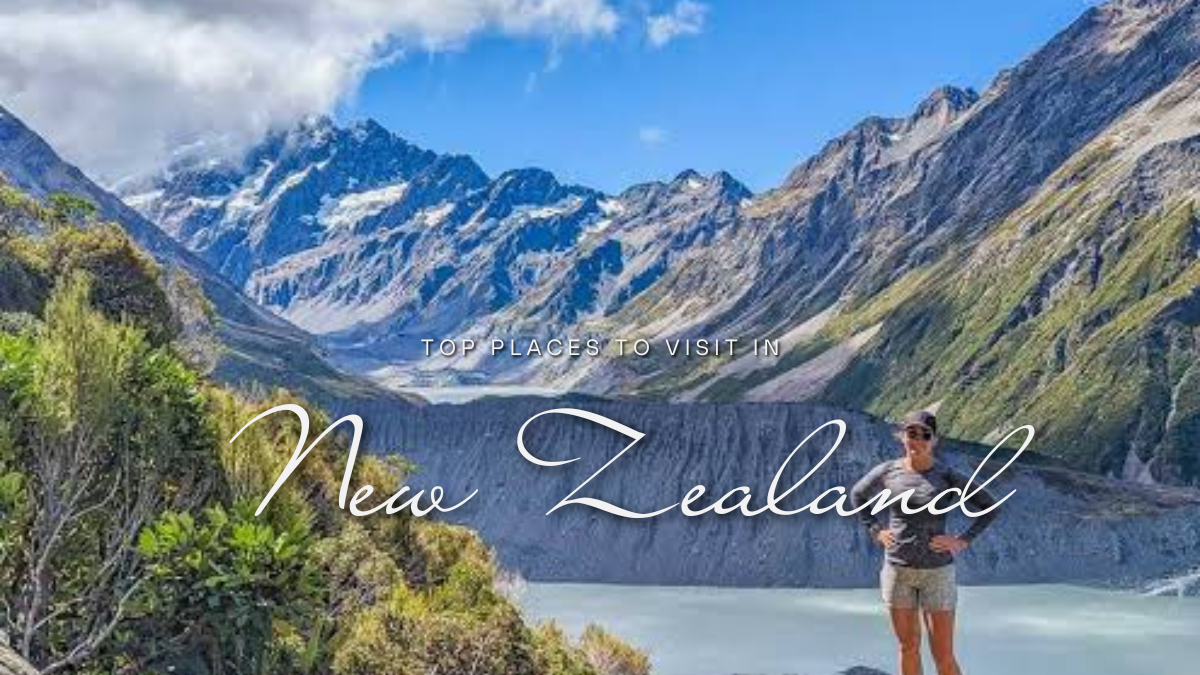

New Zealand is one of those rare destinations that manages to live up to every photograph, every film scene, and every glowing traveler review you have ever come across. Tucked away in the southwestern Pacific Ocean, this island nation offers a dazzling mix of snow capped mountains, glacier fed lakes, geothermal wonderlands, ancient forests, and coastlines that shift from golden sand to volcanic black in a matter of hours. Whether you are chasing adrenaline on a bungee jump, seeking quiet reflection beside a turquoise lake, or hoping to learn about Maori culture firsthand, the best places to visit in New Zealand cover an astonishing range of experiences packed into a surprisingly compact country.
What makes New Zealand especially appealing to modern travelers is how effortlessly it blends outdoor adventure with genuine comfort and hospitality. You can spend your morning hiking through primeval rainforest, your afternoon sipping award-winning Sauvignon Blanc at a vineyard, and your evening soaking in a natural hot spring under a sky untouched by light pollution. This guide walks through the best places to visit in New Zealand, region by region, so you can build an itinerary that matches your interests, whether that means thrilling adventure sports, relaxed scenic drives, or immersive cultural encounters. Along the way, we will highlight practical travel tips, seasonal considerations, and lesser-known spots that even seasoned travelers often overlook.
Travelers researching a trip Down Under often discover that no single itinerary can capture everything this country has to offer, and that is precisely the appeal. A journey here might begin with a ferry ride past volcanic islands in the Hauraki Gulf and end weeks later beneath a canopy of stars in the Mackenzie Basin, with dozens of unforgettable stops along the way. This guide is designed to help you understand not just where to go, but why each region earns its place on the map, so that your own list of favorite destinations reflects what truly matters to you as a traveler.
Auckland: The Vibrant Gateway City
Auckland serves as the arrival point for most international visitors, and it quickly proves itself to be far more than just a transit hub. Built across a narrow isthmus dotted with dormant volcanic cones, the city offers sweeping harbor views from almost every vantage point. The Sky Tower dominates the skyline and provides panoramic views that stretch from the Hauraki Gulf to the Waitakere Ranges, while the bustling Viaduct Harbour buzzes with waterfront restaurants, yachts, and a lively nightlife scene that reflects Auckland’s reputation as the City of Sails.
Beyond the urban core, Auckland’s surrounding islands and beaches make it an excellent base for day trips. Waiheke Island, just a short ferry ride away, is famous for its boutique wineries, olive groves, and secluded beaches that feel worlds away from the city bustle. Meanwhile, families and nature lovers often head to Rangitoto Island to hike across volcanic rock formations or explore the native bush that has reclaimed the landscape since the last eruption centuries ago. Because of this diversity, many travel guides consistently rank Auckland among the top destinations for first-time visitors who want a gentle introduction to the country’s blend of urban energy and natural beauty.
Food lovers will also find plenty to enjoy in Auckland, where a multicultural population has shaped a dining scene that spans everything from fresh seafood markets to award winning fine dining restaurants overlooking the harbor. Ponsonby Road and Karangahape Road have become known for their eclectic mix of cafes, boutique shops, and late night eateries, drawing both locals and visitors eager to sample the city’s creative culinary output. Weekend markets, such as the one held at Silo Park, showcase local produce, artisan goods, and live music, offering a relaxed way to experience Auckland’s community spirit beyond the typical tourist trail.
Bay of Islands Coastal Paradise in the North
Heading further north from Auckland, the Bay of Islands unfolds as a breathtaking maritime playground made up of 144 subtropical islands scattered across a sheltered stretch of coastline. This region holds deep historical significance as the site where the Treaty of Waitangi was signed in 1840, making it a compelling destination for travelers interested in New Zealand’s founding history alongside its natural scenery. The Waitangi Treaty Grounds offer guided tours, cultural performances, and a museum that thoughtfully presents the complex relationship between Maori communities and European settlers.
For those chasing outdoor thrills, the Bay of Islands delivers exceptional sailing, dolphin watching, and deep sea fishing opportunities that draw visitors from around the globe. The town of Paihia acts as a convenient base, offering easy access to boat cruises around the famous Hole in the Rock formation at Cape Brett. Snorkelers and divers are often rewarded with encounters featuring bottlenose dolphins, orcas, and vibrant marine life in the clear coastal waters. Given its unique combination of history, adventure, and natural charm, the Bay of Islands regularly appears on lists ranking among the finest coastal escapes in the country, appealing to travelers who want more than just scenic photographs.
Beyond Paihia, smaller settlements like Russell and Kerikeri offer their own distinct character, with Russell serving as New Zealand’s first permanent European settlement and now home to charming colonial buildings and waterfront cafes. Kerikeri, meanwhile, has developed a reputation for its boutique orchards, craft producers, and the historic Stone Store, one of the oldest surviving stone buildings in the country. Travelers with extra time often find that slowing down in these quieter towns provides a more textured understanding of the region than a single day trip from Auckland could ever offer.
Rotorua: Geothermal Wonders and Maori Culture
Rotorua is unlike anywhere else in the country, sitting atop a volcanic plateau that constantly reminds visitors of the raw power simmering beneath New Zealand’s surface. Bubbling mud pools, hissing steam vents, and technicolor silica terraces create a landscape that feels almost otherworldly. Wai-O-Tapu Thermal Wonderland stands out as a must-visit attraction, where the Champagne Pool glows in shades of orange and green thanks to mineral deposits that have built up over thousands of years of geothermal activity.
Rotorua is also widely regarded as the cultural heart of Maori tourism in New Zealand, offering immersive experiences that go far beyond typical museum exhibits. Visitors can attend a traditional hangi feast, cooked using heated stones buried underground, followed by an evening of storytelling, song, and the powerful haka performance at venues like Te Puia or Tamaki Maori Village. These experiences provide meaningful insight into indigenous traditions that have shaped the nation’s identity for centuries. Combined with its unique geothermal landscapes, Rotorua consistently earns its place among the most culturally rich travel destinations for anyone seeking depth alongside natural spectacle.
Nature lovers will also find plenty to explore around Rotorua’s dozen or so lakes, many of which offer swimming, fishing, and mountain biking opportunities within easy reach of the town center. The Redwoods Whakarewarewa Forest, home to towering Californian redwood trees planted over a century ago, has become internationally famous for its treetop canopy walkway and network of mountain biking trails suited to all skill levels. Whether visitors are drawn by geothermal curiosity, cultural immersion, or outdoor recreation, Rotorua manages to satisfy an unusually broad range of travel interests within a single compact region.
Wellington The Creative Capital
Wellington, New Zealand’s compact and hilly capital city, has earned a reputation as one of the most livable and creatively vibrant cities in the Southern Hemisphere. Wrapped around a stunning natural harbor and framed by green hillsides, the city offers a walkable downtown packed with independent coffee shops, craft breweries, and an impressive concentration of art galleries. The Cable Car ride up to the Wellington Botanic Garden remains a favorite activity, rewarding visitors with sweeping views over the city and harbor below.
Film enthusiasts in particular gravitate toward Wellington because of its close association with the Lord of the Rings and Hobbit trilogies, largely filmed in and around the region by Weta Workshop, whose special effects legacy can be explored through studio tours and exhibitions. The Museum of New Zealand Te Papa Tongarewa, located right on the waterfront, offers free entry and houses interactive exhibits covering everything from natural history to contemporary Maori art. With its walkable layout, thriving food scene, and creative energy, Wellington often surprises visitors by outshining larger cities, securing its spot as one of the country’s most rewarding urban destinations for culture, cuisine, and cinematic history.
Wellington’s compact size also makes it an ideal base for day trips into the surrounding wine regions, particularly the Wairarapa, known for its Pinot Noir and boutique cellar doors set among rolling farmland. The city’s famous windy weather, which earns it the nickname Windy Wellington, rarely deters visitors, as the harbor setting and hillside suburbs remain scenic in almost any conditions. Regular festivals, including the World of WearableArt show and a packed calendar of live music and theater, further cement Wellington’s reputation as a city that punches well above its weight in cultural offerings.
Queenstown: The Adventure Capital of the World
Queenstown sits on the shores of the stunning Lake Wakatipu, framed dramatically by the jagged peaks of the Remarkables mountain range. Widely celebrated as the adventure capital of the world, this alpine resort town practically invented commercial bungee jumping and continues to offer an unmatched concentration of adrenaline pumping activities. Visitors can leap from the Kawarau Bridge, hurtle down the Shotover River on a jet boat, or paraglide off Bob’s Peak while taking in views that stretch across the entire Wakatipu Basin.
Beyond the adrenaline rush, Queenstown also caters beautifully to travelers seeking relaxation and refined indulgence. The surrounding Gibbston Valley has become one of New Zealand’s premier wine regions, particularly known for its cool climate Pinot Noir, and many wineries offer cellar door tastings paired with locally sourced meals. In winter, the nearby Coronet Peak and The Remarkables ski fields attract snow sports enthusiasts from across the globe, while summer brings hikers to trails like the Ben Lomond Track. This remarkable versatility, catering equally to thrill-seekers and those wanting a slower pace, is exactly why Queenstown is repeatedly named among the best places to visit in New Zealand by international travel publications.
The town center itself buzzes with energy, offering a compact mix of restaurants, bars, and boutique shops all within walking distance of the lakefront, making it easy to fill an evening after a day of adventure. Nearby Arrowtown, a beautifully preserved gold mining settlement, offers a quieter, more historic counterpoint with its tree lined streets and autumn foliage that draws photographers from around the world every April and May. Many visitors extend their stay in the Queenstown area simply because there is always another activity, another lookout, or another hidden trail waiting to be discovered just beyond the last one.
Milford Sound and Fiordland National Park
Milford Sound is often described as the eighth wonder of the world, and once you witness its towering cliffs plunging directly into dark, mirror still waters, it becomes easy to understand why. Located within Fiordland National Park, a UNESCO World Heritage site, this fiord was carved by ancient glaciers and now features cascading waterfalls, including the famous Stirling Falls, which plummet more than 150 meters into the sound below. Cruises departing from the small settlement of Milford allow visitors to glide beneath these waterfalls while spotting fur seals, dolphins, and, if fortunate, the rare Fiordland crested penguin.
Reaching Milford Sound is itself considered one of the most scenic drives in the country, winding through the Eglinton Valley and passing through the dramatic Homer Tunnel carved directly into solid rock. Many travelers choose to hike the Milford Track, often labeled the finest walk in the world, a four-day trek through lush rainforest, alpine meadows, and dramatic mountain passes. Because weather in Fiordland changes rapidly, even a rainy day can transform the landscape into a spectacle of hundreds of temporary waterfalls streaming down sheer rock faces. This dramatic and ever changing scenery firmly establishes Milford Sound as one of the best places to visit in New Zealand for anyone chasing awe inspiring natural beauty.
For travelers wanting an even more remote experience, nearby Doubtful Sound offers a quieter alternative, accessible only by a combination of boat and coach travel, which naturally limits visitor numbers and preserves a deep sense of wilderness isolation. Overnight cruises on both sounds allow guests to watch the sun set over the fiords, kayak in the still evening water, and wake up to mist rolling off the cliffs at dawn. Whichever fiord you choose to explore, the sheer scale and silence of Fiordland tends to leave a lasting impression that few other landscapes in the world can rival.
Christchurch and the Canterbury Region
Christchurch, the largest city on the South Island, has undergone a remarkable transformation since the devastating earthquakes of 2010 and 2011, emerging as a vibrant showcase of innovative architecture, street art, and resilient community spirit. The Re:START container mall, built from repurposed shipping containers, symbolizes the city’s creative rebuilding process, while the Christchurch Botanic Gardens and Hagley Park continue to offer serene green spaces along the meandering Avon River. Punting along the river remains a peaceful, old-world activity that contrasts beautifully with the city’s modern rebuild.
Beyond the city limits, the wider Canterbury region opens up access to some of the South Island’s most striking landscapes. The TranzAlpine railway journey, frequently ranked among the world’s great train trips, carries passengers from Christchurch through the Southern Alps to the West Coast, passing through dramatic gorges and high country farmland along the way. Banks Peninsula, with its French influenced town of Akaroa nestled within a flooded volcanic crater, offers a quieter coastal escape featuring dolphin encounters and charming cafes. This blend of urban renewal and accessible natural wonders reinforces why Christchurch continues to feature prominently among South Island destinations for travelers exploring beyond the mountains and lakes.
Further afield, the Canterbury Plains stretch toward the foothills of the Southern Alps, offering scenic drives past braided rivers, sheep stations, and the striking turquoise waters of Lake Tekapo along the way to Aoraki Mount Cook. Hanmer Springs, a thermal resort town roughly two hours north of Christchurch, provides a relaxing detour featuring natural hot pools set against a backdrop of forested hills, along with mountain biking and hiking trails suited to all fitness levels. This accessibility to both alpine adventure and geothermal relaxation makes Christchurch an excellent launching point for exploring the wider Canterbury region.
Abel Tasman National Park: Golden Beaches and Turquoise Waters
Abel Tasman National Park, located at the northern tip of the South Island, showcases a coastline so pristine that it feels almost too perfect to be real. Golden sand beaches curve gently around clear turquoise water, backed by native forest that tumbles right down to the shoreline. Unlike many of New Zealand’s more rugged and mountainous regions, Abel Tasman offers a gentler, more accessible kind of natural beauty, making it a favorite among families, kayakers, and anyone seeking a peaceful coastal retreat.
The Abel Tasman Coast Track, one of New Zealand’s nine Great Walks, allows hikers to explore the park’s beaches and headlands over several days, with water taxis available for those wanting to shorten sections of the journey or access remote beaches directly. Sea kayaking has become one of the most popular ways to experience the park, with guided tours winding past seal colonies and secluded coves that are otherwise inaccessible by foot. The combination of warm coastal climate, calm waters, and manageable trails makes Abel Tasman an easy recommendation whenever people ask about relaxed yet scenic outdoor experiences within New Zealand.
The nearby town of Nelson, often cited as one of the sunniest spots in the country, serves as a convenient gateway to the park and is well known for its thriving arts community, craft breweries, and Saturday markets brimming with local produce and handmade goods. Golden Bay, located on the park’s northern side, offers an even more secluded escape, featuring the vast sweep of Farewell Spit and the crystal clear waters of Wharariki Beach, home to seal colonies and dramatic sea caves. Travelers who venture into this corner of the South Island often describe it as one of the most peaceful and restorative stops on their entire New Zealand journey.
Lake Tekapo and Aoraki Mount Cook National Park
Lake Tekapo captivates visitors with its extraordinary milky turquoise water, a color created by finely ground rock particles carried down from surrounding glaciers. Set against the backdrop of the Southern Alps, this small lakeside town has become internationally renowned for its night skies, having been designated as part of the Aoraki Mackenzie International Dark Sky Reserve. Stargazing tours here offer views of the Milky Way so vivid and detailed that even casual observers walk away amazed, while the historic Church of the Good Shepherd on the lake’s edge provides one of the most photographed views in the entire country.
A short drive from Lake Tekapo leads to Aoraki Mount Cook National Park, home to New Zealand’s tallest peak, standing at 3,724 meters. The Hooker Valley Track, one of the most accessible and rewarding day hikes in the country, winds across swing bridges and glacial moraine before reaching a lake dotted with icebergs directly beneath Mount Cook’s towering face. Alpine flowers bloom across the valley floor during summer months, while winter transforms the landscape into a pristine snow-covered wilderness popular with mountaineers and skiers alike. Together, Lake Tekapo and Mount Cook form a striking alpine duo that consistently ranks among the best places to visit in New Zealand for landscape photography and stargazing enthusiasts.
The wider Mackenzie Basin also rewards travelers willing to explore beyond the main lookout points, with Lake Pukaki offering an equally vivid turquoise hue and arguably even more dramatic views of Mount Cook rising directly from its shores. Salmon farms along the canals here produce some of the freshest fish in the country, often served at small roadside cafes that make for a memorable lunch stop. The combination of glacial lakes, towering peaks, and some of the clearest night skies on the planet ensures that this region rewards travelers who take the time to linger rather than simply passing through on the way to somewhere else.
Wanaka The Quieter Alpine Escape
Often described as Queenstown’s calmer sibling, Wanaka offers many of the same jaw-dropping alpine views without quite the same crowds or frenetic energy. The town sits on the edge of Lake Wanaka, with the iconic Wanaka Tree, a lone willow growing directly out of the lake, becoming one of the most photographed natural landmarks in the country. Surrounding the town, dramatic peaks provide a stunning year-round backdrop for both relaxed lakeside strolls and serious mountain adventures.
Adventure seekers can hike the popular Roys Peak Track for panoramic views over Lake Wanaka and the surrounding mountain ranges, a challenging but immensely rewarding trek that rewards early risers with unforgettable sunrise vistas. Nearby, Mount Aspiring National Park offers even more remote wilderness experiences, including glacier valleys and alpine lakes accessible via multi-day tramping routes. In winter, Treble Cone and Cardrona ski fields draw snow enthusiasts from across the region, while Puzzling World adds a quirky, family friendly attraction featuring illusion rooms and a great maze. This balance of adventure, tranquility, and striking scenery is precisely why travel experts often place Wanaka firmly on their list of must-visit alpine towns within the country.
Food and drink also play a growing role in Wanaka’s appeal, with a cluster of excellent restaurants and cafes lining the lakefront, many showcasing local Central Otago produce and wine. Rippon Vineyard, set on a hillside overlooking the lake, has become one of the most photographed wineries in the country, its rows of vines framed perfectly against the mountains beyond. Whether travelers arrive for a single overnight stop or an extended stay, Wanaka tends to leave a lasting impression thanks to its unhurried pace and consistently stunning scenery.
The Coromandel Peninsula and Hot Water Beach
The Coromandel Peninsula, located just a few hours from Auckland, offers a slower paced coastal escape characterized by native pohutukawa forests, rugged hills, and some of the North Island’s most beautiful beaches. Cathedral Cove, accessible via a scenic coastal walk or by kayak, features a dramatic natural rock archway framing turquoise water and golden sand, making it one of the most iconic and frequently photographed coastal spots in the entire country. The surrounding marine reserve also offers excellent snorkeling opportunities for those wanting to explore beneath the surface.
Hot Water Beach provides one of New Zealand’s most unusual and memorable experiences, where visitors can dig their own personal spa pool directly into the sand during low tide, as geothermally heated water rises up from beneath the beach. This quirky natural phenomenon draws crowds of both locals and tourists armed with spades, all hoping to claim their own steaming pool with an ocean view. Combined with charming small towns like Whitianga and Coromandel Town, known for their artisan crafts and fresh seafood, the peninsula rounds out any list discussing coastal destinations for travelers wanting authentic charm without the crowds of more famous spots.
Inland from the coast, the peninsula’s rugged interior offers further reward for those willing to explore, including the historic Karangahake Gorge, where old gold mining tunnels and swing bridges wind through a dramatic river valley. The Pinnacles Track, a challenging day hike through native forest, rewards hikers with sweeping views across the peninsula from its summit, often capped off with an overnight stay at the popular Pinnacles Hut. This mix of relaxed beach towns and adventurous inland trails gives the Coromandel a surprising amount of depth for a region often associated primarily with its coastline.
Dunedin and the Otago Peninsula: Wildlife and Heritage Charm
Dunedin, located on the South Island’s southeastern coast, carries a distinct Scottish heritage that sets it apart from other New Zealand cities, visible in its grand Victorian and Edwardian architecture, including the iconic Dunedin Railway Station. As home to the University of Otago, the country’s oldest university, the city maintains a youthful, energetic atmosphere with a strong student culture reflected in its many cafes, bars, and live music venues. Baldwin Street, officially recognized as one of the steepest residential streets in the world, has become a quirky must-see attraction for visitors passing through.
Just a short drive from the city center, the Otago Peninsula offers some of the most accessible wildlife encounters in the entire country, home to the only mainland breeding colony of royal albatross found anywhere on Earth. Visitors can also spot yellow eyed penguins, one of the rarest penguin species in the world, along with fur seals and sea lions basking on secluded beaches throughout the peninsula. This unexpected concentration of wildlife, paired with the city’s heritage charm, makes Dunedin a rewarding stop for travelers interested in a quieter, nature focused alternative to the busier tourist circuits further north.
Practical Travel Tips for Exploring New Zealand
Planning a trip across New Zealand requires some thoughtful consideration given the country’s elongated shape and varied climate zones. Renting a car or campervan remains the most popular way to explore, offering flexibility to detour toward hidden waterfalls, small town cafes, or unplanned scenic lookouts that rigid tour schedules simply cannot accommodate. Distances can be deceptively long due to winding roads through mountainous terrain, so travelers should always build extra time into their itineraries rather than trying to cram too many destinations into a single trip.
Seasonal timing plays a significant role in shaping the ideal New Zealand experience. Summer months, from December through February, offer the warmest weather and longest daylight hours, making them ideal for hiking, beach visits, and outdoor festivals, though popular spots can become crowded and accommodation prices rise accordingly. Conversely, winter months bring excellent skiing conditions to Queenstown and Wanaka, along with quieter trails and dramatically discounted rates in many regions. Shoulder seasons, particularly autumn, often provide the best balance of pleasant weather, manageable crowds, and stunning seasonal colors, especially in wine regions like Central Otago and Hawke’s Bay.
Booking accommodation and popular activities well in advance is strongly recommended, particularly for the Great Walks, Milford Sound cruises, and stays in Queenstown during peak summer and winter months, as availability can sell out weeks or even months ahead of time. Travelers should also factor in New Zealand’s relatively limited public transport network outside major cities, which makes independent driving or organized coach tours the most practical options for reaching remote natural attractions. Finally, respecting the environment through simple practices, such as following the Tiaki Promise to care for the land, sea, and culture, helps ensure these landscapes remain pristine for future generations of travelers to enjoy.
Sustainable and Responsible Travel in New Zealand
New Zealand has built much of its tourism identity around its unspoiled natural environment, and preserving that reputation increasingly depends on travelers adopting responsible habits during their visit. Staying on marked trails, properly disposing of waste, and respecting wildlife viewing distances are simple but essential practices, particularly in fragile ecosystems like Fiordland and the Otago Peninsula, where human disturbance can have outsized effects on native species. Many tour operators throughout the country have also embraced sustainable practices, from electric boat tours on Lake Wakatipu to predator free sanctuaries that protect endangered birds like the kiwi and takahe.
Supporting local and Maori-owned businesses adds another meaningful dimension to responsible travel, allowing visitors to contribute directly to communities while gaining a deeper, more authentic understanding of the country’s cultural heritage. Many regions now offer certified eco tourism experiences, ranging from guided nature walks led by indigenous rangers to conservation focused volunteer programs for travelers wanting to give back during their stay. By approaching travel with a mindset of care and respect, visitors help ensure that the natural wonders and cultural treasures that make New Zealand so special remain protected for generations to come.
Conclusion
New Zealand rewards travelers with an extraordinary diversity of landscapes and experiences packed into a country roughly the size of the United Kingdom. From the geothermal wonders and rich Maori heritage of Rotorua to the adrenaline charged adventures of Queenstown, and from the mirror calm fiords of Milford Sound to the golden beaches of Abel Tasman, every region offers its own distinct character and charm. Cities like Auckland, Wellington, and Christchurch add cultural depth, culinary variety, and comfortable urban bases from which to plan excursions into the surrounding wilderness.
Ultimately, choosing among the best places to visit in New Zealand comes down to personal travel priorities, whether that means chasing thrilling outdoor adventures, immersing yourself in indigenous culture, or simply finding a quiet lakeside spot to watch the stars emerge overhead. Whatever combination of destinations you choose, New Zealand’s compact geography makes it possible to experience an astonishing range of environments within a single trip, ensuring that every visitor leaves with memories, and often plans, for a return journey.
YOU may also read this Blog Costco Travel The Ultimate Guide to Booking Smarter Vacations With Your Membership
FAQs
What is the best time of year to visit New Zealand? The most popular time to visit is during the Southern Hemisphere summer, from December through February, when weather is warm and daylight hours are long, ideal for hiking, beach activities, and exploring national parks. However, shoulder seasons like March through May and September through November offer fewer crowds, lower prices, and equally beautiful scenery, particularly for photography and wine region visits.
How many days do I need to see the best places to visit in New Zealand? Most travelers recommend spending a minimum of two to three weeks to comfortably cover both the North and South Islands without feeling rushed. If time is limited, focusing on either island individually, rather than attempting to see everything in a single short trip, generally leads to a more enjoyable and less exhausting experience.
Is it better to rent a car or join organized tours in New Zealand? Renting a car or campervan is widely considered the best way to explore New Zealand, offering flexibility to stop at scenic viewpoints, detour to hidden beaches, and adjust plans based on weather conditions. That said, organized tours can be a great option for travelers who prefer not to drive on winding mountain roads or want expert commentary along the way.
Do I need to visit both the North and South Islands? While both islands offer incredible scenery, they have distinct characters, with the North Island featuring geothermal activity, Maori culture, and vibrant cities, while the South Island leans more toward dramatic mountains, glaciers, and adventure sports. Travelers with limited time often choose one island to explore thoroughly rather than splitting a short trip between both.
Is New Zealand an expensive country to travel around? New Zealand can be moderately expensive compared to some destinations, particularly regarding accommodation, rental cars, and adventure activities, though budget travelers can manage costs through campervan travel, hostel stays, and self-catering. Booking activities and accommodation in advance during peak season also helps secure better rates before prices rise closer to popular travel dates.
What should I pack for a trip to New Zealand? Because weather can change rapidly, especially in mountainous regions like Fiordland and Queenstown, layered clothing including waterproof jackets, warm fleece layers, and sturdy walking shoes are essential regardless of season. Sunscreen is also important year-round due to New Zealand’s strong UV levels, even on cooler or overcast days.
Are the best places to visit in New Zealand suitable for families traveling with children? Yes, many destinations across New Zealand cater well to families, with attractions like Hot Water Beach, Rotorua’s cultural shows, and Abel Tasman’s calm beaches offering engaging experiences for children of various ages. Many hikes also have shorter, family-friendly sections, allowing parents to enjoy scenic trails without requiring full-day treks.