
If you’ve spent any time on TikTok, Instagram, or YouTube Shorts over the past year, chances are you’ve come across the derpy tiger meme without even trying. A clumsy, wide-eyed, blue tiger knocking over flowerpots, tripping over his own paws, or staring blankly into the middle distance has become one of the internet’s most reliable sources of comfort content. But behind the endless stream of reaction gifs and dance edits is an actual character with a name, a backstory, and a surprisingly rich cultural inspiration that most casual meme-sharers never stop to consider.
What makes this particular meme different from countless other viral animal clips is the story sitting quietly underneath it. Rather than being pulled from a random home video or a stock animation clip, the derpy tiger meme traces back to a specific, intentionally designed character in a major Netflix release, one whose visual language draws on centuries of Korean artistic tradition. That combination of internet-friendly comedy and genuine cultural depth is part of what has kept the character relevant well beyond a typical short-lived viral moment.
This article breaks down exactly who the derpy tiger is, where he comes from, why he became such an unexpected internet sensation, and what makes his design so much more thoughtful than a simple “silly animal” trope. Whether you found this character through a meme, discovered him while watching the film that introduced him, or you’re just trying to figure out what everyone on your feed is talking about, this guide covers everything worth knowing about one of the most charming animated sidekicks to emerge in recent memory.
Who Is the Derpy Tiger?
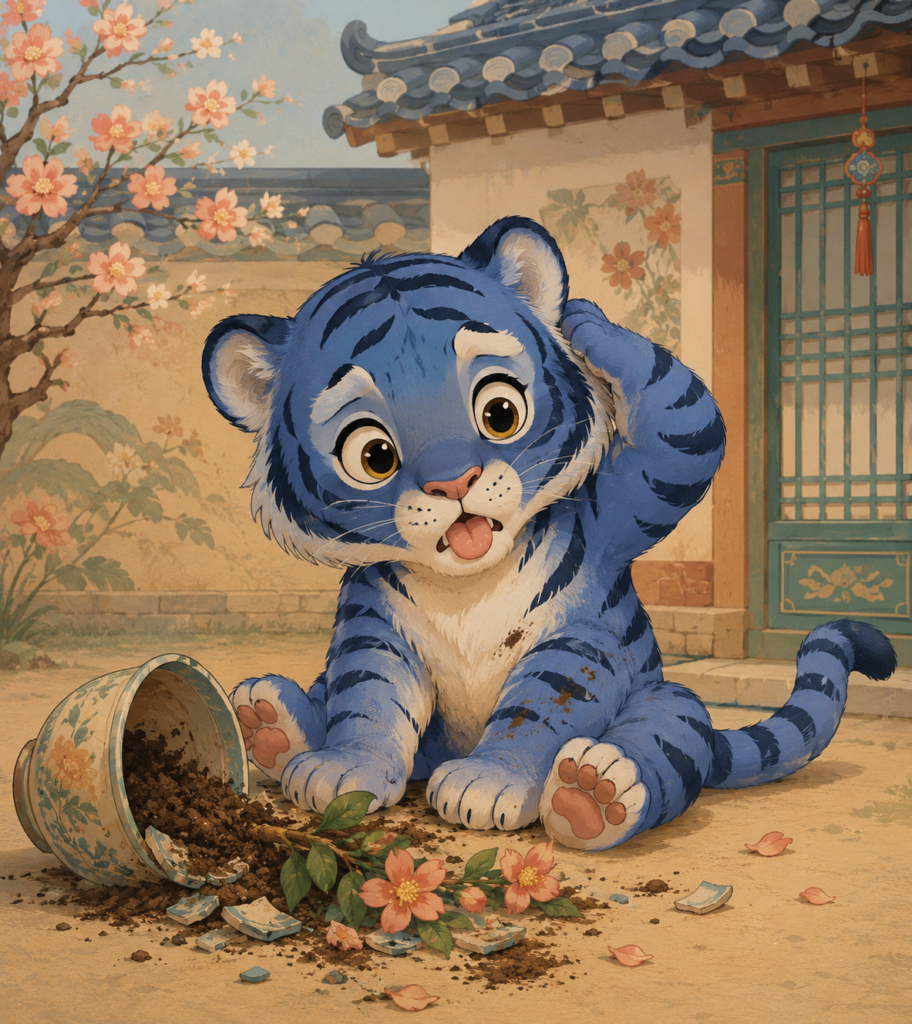
The character widely known online as the derpy tiger is officially named Derpy, a supernatural tiger who appears in Netflix’s animated film KPop Demon Hunters. According to Netflix’s own character profile, Derpy is described as a lovable supernatural tiger from the underworld whose clumsy charm, including a habit of knocking over flowerpots and being unable to right them again, combined with his big heart, makes him instantly endearing to audiences. His exact age is left unknown in official materials, which fits the character’s mysterious, folklore-inspired origins rather than a conventional backstory.
Within the film, Derpy enters the story as a companion tied to Jinu, one of the central characters, before quickly becoming a loyal presence around Rumi as well. Unlike some characters who judge or question Rumi throughout the story, Derpy offers her unconditional acceptance, which is part of what makes him such a warmly received figure among viewers. He also plays a small but meaningful narrative role, symbolizing the connection between two of the film’s central characters and occasionally acting as a silent go-between during key emotional moments. It’s worth noting that Derpy does not speak, communicating instead through expressive body language, purring, and his signature tongue-out expression.
The Cultural and Artistic Inspiration Behind Derpy
What sets this character apart from a typical cartoon animal sidekick is the depth of cultural reference baked into his design. According to official Netflix materials, Derpy’s character is based on the babo horangi, a recurring figure in Korean minhwa, a folk painting style that flourished during the Joseon era. This artistic tradition often depicted tigers in exaggerated, almost comedic poses, using the animal as a symbolic figure rather than a purely literal representation of a wild predator.
This connection isn’t just a passing design choice, either. Historically, these folk-art tiger depictions were frequently paired with a magpie, and the pairing carried social commentary specific to the era. Traditionally, the tiger in these paintings was used to critique figures of power and authority, while the magpie represented the dignity and resilience of ordinary people. Derpy’s on-screen companion, a small magpie character, mirrors this exact traditional pairing, giving longtime fans of Korean folk art an extra layer of appreciation when they recognize the reference. For viewers unfamiliar with minhwa painting, this context adds unexpected depth to what might otherwise look like a straightforward comedic animal duo.
Why Derpy Tiger Became an Internet Sensation
Part of what makes this meme phenomenon so interesting is how organically it developed. Rather than being marketed as a mascot-style character from the outset, Derpy’s popularity grew primarily through fan-driven content after the film’s release, as clips of his clumsy antics circulated widely across short-form video platforms. His wide, expressive eyes and exaggerated physical comedy translate especially well into looping video formats, which likely helped accelerate how quickly he spread across different platforms and audiences.
Another factor behind his popularity is simple relatability. Many of the moments that made Derpy go viral, such as knocking things over, staring blankly when overwhelmed, or reacting a beat too slowly to what’s happening around him, tap into universally recognizable, slightly embarrassing human experiences. Internet audiences have long gravitated toward characters and animals that reflect everyday clumsiness back at them in an exaggerated, harmless way, and Derpy fits neatly into that established tradition of “relatable derp” content that has circulated online for years, from awkward pet videos to blooper-reel style animal clips.
Derpy Tiger and the Success of KPop Demon Hunters
To fully understand why this meme took off the way it did, it helps to look at the broader success of the film that introduced him. KPop Demon Hunters became a significant cultural moment following its Netflix release, generating sustained conversation not just around its animation and music but around its ensemble cast of characters. The film’s voice cast includes performers such as Arden Cho as Rumi, May Hong as Mira, Ji-young Yoo as Zoey, and Ahn Hyo-seop as Jinu, alongside a wider supporting cast that helped bring the film’s world to life.
The film’s popularity created fertile ground for secondary characters like Derpy to find their own dedicated fanbases, separate from the main protagonists. This pattern is common with successful animated films, where a scene-stealing side character or animal sidekick develops a life of its own online, sometimes rivaling the popularity of the lead characters in terms of shareable content. Derpy’s non-speaking, purely physical style of comedy made him particularly well suited to this kind of secondary virality, since his best moments require no dialogue or plot context to be immediately funny and endearing to new viewers encountering him for the first time.
Common Derpy Tiger Memes and Formats
Across social platforms, a handful of recurring formats have come to define this meme landscape. One of the most widely shared involves Derpy knocking over a pot or object and failing to fix it, often used as a lighthearted stand-in for everyday clumsiness or small mistakes people make in daily life. This particular clip has been repurposed as a reaction format, frequently paired with captions describing minor personal blunders or relatable moments of chaos.
Another popular format centers on a specific dance sequence involving Derpy, which fans have turned into a recurring green-screen template for their own videos, often layering it over other footage or using it as a comedic transition. Beyond these two dominant formats, countless fan edits combine clips of Derpy with music, captions describing his personality, or comparisons to other beloved “derpy” internet animals, tying him into a broader meme lineage that includes characters known for endearing clumsiness across different corners of internet culture. These formats continue to evolve, with new edits and remixes appearing regularly as fans find fresh ways to showcase the character.
Community-driven captioning has also played a significant role in extending the character’s reach beyond the film’s original audience. Many viral clips pair Derpy’s expressions with text describing everyday feelings, such as being overwhelmed at work, zoning out during a boring meeting, or simply feeling a little too tired to function properly. This captioning trend transforms the character into a flexible, all-purpose reaction figure, similar in function to other widely used reaction gifs, but with the added charm of his distinctive visual design and folklore-rooted backstory.
The Broader “Derpy Animal” Meme Tradition
This character doesn’t exist in a cultural vacuum; he’s part of a much longer internet tradition of “derpy” characters and animals that have captured public affection over the years. The term itself has been used for well over a decade to describe characters, animals, or moments defined by an endearing lack of coordination or an unfocused, slightly cross-eyed expression. This tradition includes everything from real pets caught mid-blooper on video to animated characters deliberately designed with exaggerated, clumsy features.
What makes this broader meme category so enduring is its emotional accessibility. Unlike memes that rely on cultural context, inside jokes, or current events to land, derpy-style content tends to be immediately understandable and shareable across language barriers and age groups. A tiger knocking over a pot doesn’t require any prior knowledge to be funny or charming, which partly explains why Derpy’s clips have traveled so widely across international audiences, well beyond viewers who have necessarily seen the film he originates from.
How Derpy Tiger Reflects Broader Trends in Animated Character Design
Derpy’s success also says something interesting about current trends in animated character design more broadly. Studios increasingly seem to recognize the value of including at least one character built primarily around physical comedy and expressive, dialogue-free reactions, since these characters travel exceptionally well across social media in a way that dialogue-heavy characters sometimes don’t. A joke delivered through spoken lines can lose impact when clipped out of context, but a visual gag involving exaggerated movement or expression tends to remain funny regardless of the surrounding scene.
This design philosophy isn’t new, but Derpy represents a particularly successful recent example of it working exactly as intended. His combination of a culturally rooted design, drawn from centuries-old Korean folk art traditions, layered with modern, meme-friendly physical comedy, shows how animated films can honor deeper cultural references while still creating characters built for viral, bite-sized internet consumption. It’s a balance that isn’t always easy to strike, and Derpy’s widespread popularity suggests the approach resonated with audiences far beyond what marketing teams might have initially predicted.
What Fans Appreciate Most About the Derpy Tiger
Speaking with the broader online fan community reveals a few consistent themes in why people connect so strongly with this character. Many fans point to Derpy’s unconditional warmth toward other characters, particularly his gentle, judgment-free presence around Rumi, as something that resonates on an emotional level beyond the surface-level comedy. In a story involving demons, hidden identities, and high-stakes conflict, Derpy offers a consistent source of comfort and simplicity that many viewers find genuinely soothing amid more intense narrative moments.
Others are drawn purely to the visual charm of his design, citing his expressive eyes, soft color palette, and exaggerated movements as simply pleasant to watch on repeat, which helps explain why looped clips of him perform so well across short-form video platforms. There’s also a segment of fans who appreciate the deeper cultural layer discussed earlier, treating this character as an accessible entry point into learning more about traditional Korean folk painting and its symbolism, something they might not have otherwise encountered outside of the context of a popular animated film.
How Merchandise and Fan Art Have Expanded His Popularity
Beyond video clips and reaction gifs, the character’s popularity has spilled over into fan art, merchandise, and community-driven creative projects across several platforms. Independent artists have produced everything from digital illustrations to hand-drawn sketches reimagining Derpy in different scenarios, styles, and settings, often shared within dedicated fan communities built around the film. This kind of grassroots creative output tends to signal a genuinely engaged fanbase rather than a fleeting trend, since fans investing time in original artwork typically reflect a deeper emotional attachment than simply resharing existing clips.
Official and fan-made merchandise featuring the character has also become increasingly visible, ranging from plush toys and apparel to stickers and digital assets designed for messaging apps. This kind of expansion beyond the screen is often one of the clearest indicators that a secondary character has developed genuine staying power rather than a short-lived viral moment. As the surrounding film continues to maintain a strong presence in pop culture conversations, it’s likely that fan-created content featuring this beloved tiger will continue expanding into new formats and creative directions over time.
Frequently Asked Questions About Derpy Tiger
Who is the derpy tiger from KPop Demon Hunters?
Derpy is a supernatural tiger character from Netflix’s animated film KPop Demon Hunters, known for his clumsy, endearing behavior and close bond with the characters Jinu and Rumi. He does not speak in the film, instead communicating through expressive body language and physical comedy.
Is Derpy tiger based on a real cultural tradition?
Yes, according to official Netflix character materials, Derpy’s design is based on the babo horangi, a figure from traditional Korean minhwa folk painting that dates back to the Joseon era. His companion magpie character also reflects a traditional pairing found in this same artistic tradition.
Why did the derpy tiger become a meme?
Derpy’s popularity as a meme grew largely through fan-shared clips highlighting his clumsy, relatable moments, such as knocking over objects or reacting with a blank, wide-eyed stare. His dialogue-free, highly expressive style of comedy made his clips especially easy to share and repurpose across social media platforms.
Does Derpy tiger have a voice actor?
Because Derpy is a non-speaking character who communicates only through sounds like purring and physical expressions, he is not credited with a traditional voice actor role in the same way the film’s speaking characters are. His performance relies entirely on animation and sound design rather than dialogue.
What movie is the derpy tiger from?
This character appears in KPop Demon Hunters, a Netflix animated film that follows a group of K-pop idols who secretly protect the human world from demonic threats. The film’s broader popularity helped introduce Derpy to a wide audience, contributing significantly to his meme status online.
Is there a magpie character connected to Derpy tiger?
Yes, Derpy is frequently seen alongside a small magpie companion, and together they reflect a traditional pairing found in Korean folk art, where the tiger and magpie carried specific symbolic meanings related to power and everyday people. This pairing adds cultural depth to what might otherwise appear to be a simple comedic duo.
Where can I watch the film that features Derpy tiger?
KPop Demon Hunters is available to stream on Netflix, where the film originally launched. Availability may vary depending on your region and any updates to Netflix’s streaming catalog over time.
Conclusion
The derpy tiger has become far more than a passing internet trend; he represents a genuine case study in how thoughtful character design, rooted in cultural tradition, can resonate with modern online audiences in unexpected ways. From his origins in centuries-old Korean folk painting to his current status as one of the internet’s favorite sources of comfort content, Derpy’s journey from animated side character to full-blown meme icon reflects exactly how internet culture tends to embrace charm, simplicity, and emotional warmth over complexity.
Whether you first encountered this character through a viral clip or by watching KPop Demon Hunters in full, understanding the character’s background adds meaningful context to why he continues to capture so much affection online. As fan-made content keeps evolving and new formats continue to emerge, it’s clear that the derpy tiger has secured a lasting place in internet meme culture, built on a foundation that’s equal parts cultural heritage and pure, uncomplicated charm.