
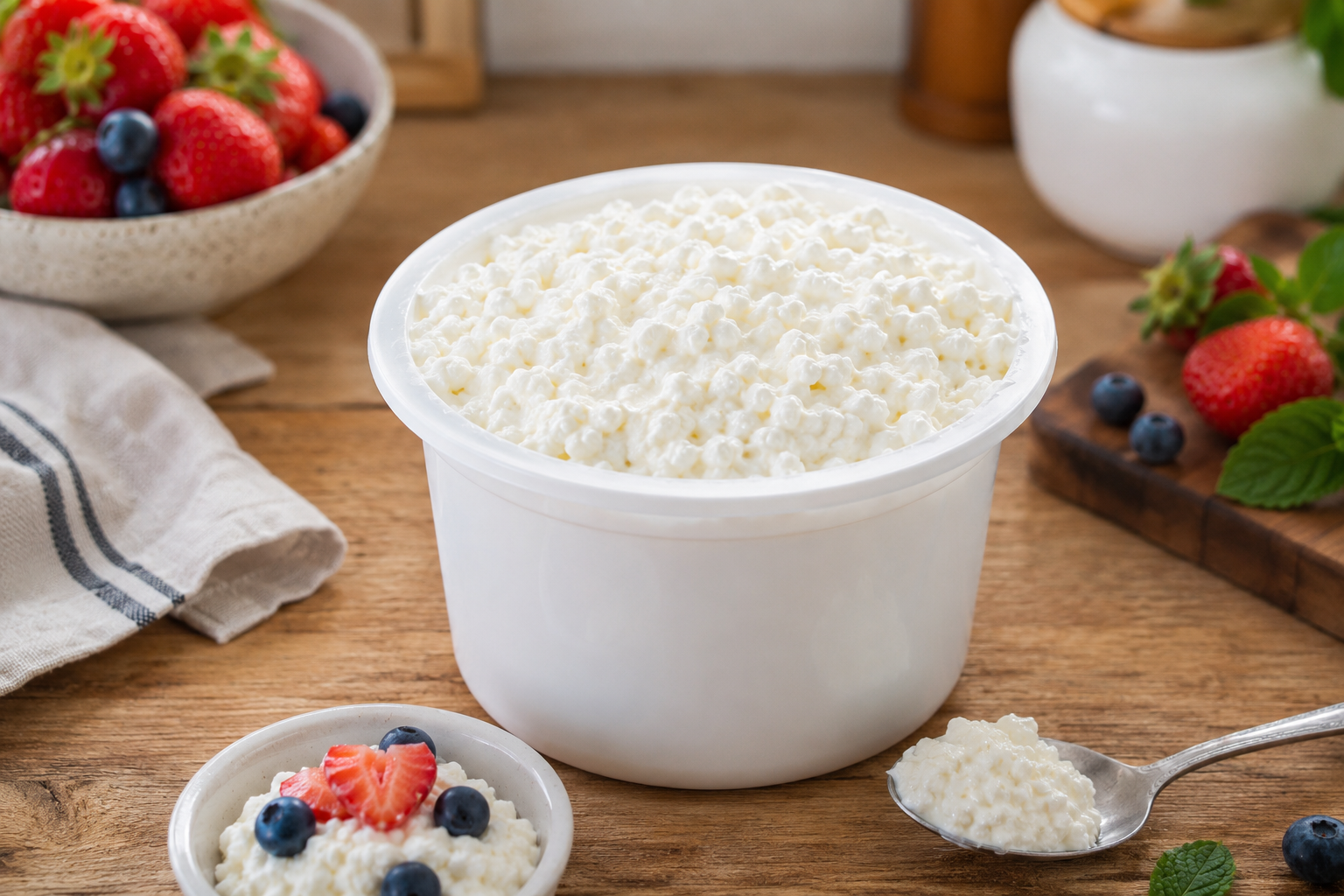

Walk down the dairy aisle of almost any major grocery store today and you will likely spot a tub of Good Culture cottage cheese sitting front and center, often with an empty spot on the shelf next to it where the last container just sold out. What used to be a somewhat forgotten dairy product, associated more with diet plans from decades past than with modern food trends, has been reimagined by this brand into something people actually crave. Good Culture cottage cheese has become one of the most talked-about products in the protein-focused food movement, and its rise says a lot about how consumer expectations around food quality have shifted in recent years.
This article takes a close look at what Good Culture cottage cheese actually is, why it has developed such a devoted following, how it compares nutritionally and ingredient-wise to traditional cottage cheese brands, and what you should know before adding it to your cart. We will also cover the company’s origins, its approach to sourcing and sustainability, and answer the most common questions shoppers tend to search for when researching this brand. Whether you are a longtime cottage cheese fan or someone who has only recently discovered it through social media, this guide will give you a clear, well-rounded picture of what makes this particular brand stand out in a crowded dairy case.
The Rise of Good Culture Cottage Cheese
Cottage cheese has existed for generations, but for a long time it carried a somewhat outdated reputation, often associated with bland, watery tubs pulled out during restrictive diets rather than something people genuinely enjoyed eating. Good Culture set out to change that perception by rethinking the product from the ground up, focusing on texture, flavor, and ingredient transparency in ways that many legacy brands had not prioritized. The result has been a product that feels distinctly modern, even though the core idea of cultured dairy is centuries old.
Much of the brand’s growth has been driven by word of mouth and organic social media attention, as home cooks and fitness-minded consumers began sharing recipes and reviews highlighting the product’s creamy texture and clean ingredient list. Food industry coverage has noted that cottage cheese as a category experienced a broader resurgence in recent years, and Good Culture is frequently cited as one of the brands most responsible for reigniting interest in the product. This kind of grassroots popularity, rather than heavy traditional advertising alone, has played a significant role in the brand’s expansion into national retailers.
Retail data and food industry reporting have consistently pointed to Good Culture as one of the standout performers within the broader dairy aisle, with several outlets describing it as the brand largely responsible for turning cottage cheese from a niche diet food into a mainstream grocery staple again. This kind of coverage matters because it reflects more than just marketing success; it suggests genuine, sustained consumer demand rather than a short-lived trend. As more shoppers discover the product through recipe videos, fitness influencers, and personal recommendations, the brand’s visibility continues to grow well beyond its original customer base of health-conscious early adopters.
The Story Behind the Good Culture Brand
Good Culture was founded with a clear mission: to bring genuinely good cottage cheese back into people’s kitchens by focusing on real ingredients rather than fillers, stabilizers, or artificial additives that had become common in mass-produced dairy products. The company was co-founded by Jesse Merrill, who has spoken publicly about wanting to modernize a category that had been largely overlooked by innovation for decades. Early funding rounds, including strategic investment involving General Mills’ venture arm, helped the brand scale from a niche product into one available at major grocery chains across the country.
Based in California, the company built its identity around sourcing milk from pasture-raised cows on small family farms, a detail it highlights prominently across its packaging and marketing. This sourcing choice reflects a broader industry trend where consumers increasingly want to know not just what is in their food, but where it came from and how the animals involved were raised. Good Culture has leaned into this transparency as a core part of its brand story, positioning itself as an alternative to conventional dairy products that rely on more industrial-scale sourcing practices.
The company’s growth trajectory also reflects a broader pattern seen among modern food startups, where an initial strategic investment helps a smaller brand secure the distribution relationships needed to compete against long-established dairy companies. Moving from specialty grocery shelves into mainstream national chains is not a small feat in the food industry, since shelf space is limited and retailers are often cautious about replacing familiar, high-turnover legacy brands with newer competitors. Good Culture’s ability to make that transition successfully speaks to both consumer demand and the company’s ability to scale production while maintaining consistent quality across a growing number of retail partners.
What Makes the Ingredients Different
One of the most frequently cited reasons people switch to Good Culture cottage cheese is its short, recognizable ingredient list. Rather than including gums, thickeners, or carrageenan, which are common stabilizers found in many traditional cottage cheese brands to improve shelf life and texture, Good Culture’s products typically rely on a simpler formula built around milk, cream, salt, and live active cultures. For shoppers who have grown increasingly cautious about processed food additives, this stripped-down ingredient approach is a significant selling point.
The inclusion of live and active cultures is another detail the brand emphasizes heavily, tying cottage cheese back to its roots as a fermented dairy product rather than treating it purely as a processed convenience food. These cultures are part of what gives fermented dairy products their tangy flavor profile and are often associated with gut health benefits, similar to the cultures found in yogurt. By keeping this element intact rather than pasteurizing it out entirely, Good Culture positions its cottage cheese closer to traditional, minimally processed dairy rather than a heavily engineered supermarket product.
Nutritional Profile and Protein Content
Cottage cheese has long been recognized as a strong source of protein, and this is one of the primary reasons it has become popular again among people focused on fitness, weight management, or simply trying to eat more balanced meals. Good Culture markets its products as high in protein, and cottage cheese as a category is generally understood to contain notably more protein per serving than many comparable dairy products like yogurt, since it is a more concentrated form of milk protein. This makes it an appealing option for anyone trying to hit daily protein targets without relying heavily on meat or protein powders.
Beyond protein, cottage cheese naturally offers a solid source of calcium and other nutrients associated with dairy consumption. Good Culture offers multiple product lines with varying fat content, including low-fat and higher-fat options, along with a lactose free version designed for people who enjoy dairy but experience digestive discomfort from standard lactose levels. This range allows shoppers to select a product that fits their specific dietary preferences, whether they are prioritizing lower calorie counts, richer flavor, or easier digestibility.
Organic and Non-Organic Product Lines
Good Culture offers both organic and conventional product lines, giving consumers flexibility depending on their priorities and budget. The organic cottage cheese line is certified USDA organic, meaning it meets specific federal standards regarding how the milk is produced, including restrictions on synthetic pesticides and hormones used in dairy farming. For shoppers who prioritize organic certification as part of their grocery decisions, this line offers a way to enjoy the brand’s signature texture and flavor while meeting that specific standard.
The brand’s Simply Cottage Cheese line, meanwhile, offers a non-organic alternative that still emphasizes simple ingredients and the absence of artificial additives, often at a more accessible price point. This tiered approach mirrors a broader strategy seen across many modern food brands, where companies offer an organic premium option alongside a more affordable standard line, allowing the brand to reach a wider range of shoppers without forcing everyone into the highest price tier. Both lines maintain the brand’s core commitment to avoiding gums, artificial preservatives, and added hormones.
How Good Culture Compares to Traditional Cottage Cheese Brands
When placed side by side with many long-standing supermarket cottage cheese brands, the most noticeable difference tends to be texture and ingredient simplicity. Traditional brands have often relied on stabilizers to maintain a consistent, shelf-stable texture across large production runs, which can sometimes result in a product that feels slightly gummy or overly processed compared to fresher, small-batch style dairy. Good Culture has built its reputation specifically around avoiding these additives, resulting in a texture that many reviewers describe as noticeably creamier and less watery.
Independent food publication rankings have repeatedly placed Good Culture near or at the top of cottage cheese brand comparisons, often citing its curd size, creaminess, and overall value as standout qualities relative to competitors. That said, taste and texture preferences are inherently subjective, and some shoppers still prefer the flavor profile of more traditional brands they grew up eating. The key differentiator generally comes down to ingredient philosophy: Good Culture markets itself specifically to consumers who prioritize clean-label eating, while traditional brands often compete more heavily on price and long-established brand familiarity.
Sustainability and Sourcing Practices
Good Culture has positioned sustainability as part of its broader brand identity, not just as a marketing add-on. The company has publicly stated its partnership with 1% for the Planet, an organization through which member businesses commit a percentage of revenue toward environmental causes, with Good Culture directing support toward pasture infrastructure improvements, pasture access, regenerative agriculture initiatives, and educational opportunities for farmers. This kind of commitment reflects a growing expectation among consumers that food brands take some responsibility for their environmental footprint rather than focusing solely on product quality.
The emphasis on pasture-raised, small family farm sourcing also ties into animal welfare considerations that matter increasingly to modern grocery shoppers. Rather than relying on large-scale industrial dairy operations exclusively, the brand highlights partnerships with smaller farms as part of its supply chain, which it presents as both a quality and an ethical differentiator. While it is worth noting that sourcing claims and sustainability commitments can vary in scope and verification across the food industry generally, Good Culture has been relatively consistent in publicly detailing these practices as part of its brand transparency.
Popular Ways to Use Good Culture Cottage Cheese
Part of what has fueled renewed interest in cottage cheese, and Good Culture specifically, is the sheer versatility people have discovered in the kitchen beyond simply eating it plain with a spoon. Home cooks have popularized using cottage cheese as a base for high-protein pancake batters, blending it smooth to create a creamy texture without needing excessive added fat or sugar. Others use it as a topping for toast, baked potatoes, or savory bowls, taking advantage of its mild tang and creamy consistency to add both flavor and a protein boost to otherwise simple dishes.
Beyond savory applications, cottage cheese has also found its way into dessert-style recipes, including blended cottage cheese “ice cream” alternatives and protein-rich dip recipes that pair well with fruit or vegetables. This culinary flexibility has helped shift public perception of cottage cheese away from being a diet-only food and toward being viewed as a genuinely enjoyable, adaptable ingredient. Good Culture’s smoother, less watery texture in particular tends to blend more easily in recipes compared to some traditional brands, which has likely contributed to its popularity among recipe creators and home cooks experimenting with high-protein cooking trends.
Where to Buy Good Culture Cottage Cheese
Good Culture cottage cheese is widely available across major grocery retailers in the United States, including large chains, natural food stores, and online grocery delivery platforms. The brand has expanded significantly beyond its early days of being available primarily in specialty stores like Whole Foods, reflecting its broader mainstream adoption over time. Shoppers can typically find multiple product variants on shelf, including different fat percentages, organic versus non-organic options, and the lactose-free line, depending on a particular store’s inventory.
For consumers who cannot find it locally or who prefer the convenience of online shopping, Good Culture products are also commonly listed on major e-commerce grocery platforms and retailer websites, often available for delivery or pickup depending on the service. Given the brand’s growing popularity, availability can occasionally be inconsistent during periods of high demand, so checking a store’s website or app for real-time stock information before making a special trip is generally a good idea.
Flavor Varieties and Product Range
Beyond its core classic cottage cheese offerings, Good Culture has expanded its lineup to include flavored varieties designed to appeal to consumers looking for more than a plain, savory dairy product. Options such as fruit-based blends have historically been part of the brand’s catalog, offering a way to enjoy the high-protein benefits of cottage cheese while incorporating a touch of natural sweetness. This kind of variety helps the brand appeal to a wider range of eating occasions, from a savory breakfast pairing to something closer to a snack or light dessert.
The company has also branched out beyond cottage cheese itself into adjacent cultured dairy products, including sour cream and cream cheese, both built around the same core philosophy of simple ingredients and live active cultures. This expansion allows the brand to capture more of a household’s overall dairy spending rather than competing solely within the cottage cheese category, while also reinforcing brand loyalty among consumers who already trust the company’s approach to ingredient quality. For shoppers who appreciate the brand’s cottage cheese, exploring these related products can offer a consistent experience across different parts of a weekly grocery list.
What Customers and Reviewers Are Saying
Public reception toward Good Culture cottage cheese has generally been positive, particularly regarding texture and flavor compared to more traditional supermarket brands. Reviews commonly highlight the smaller, creamier curd size as a standout feature, along with the absence of the watery separation that some shoppers associate with older cottage cheese products. Customers frequently mention appreciating the shorter ingredient list as well, particularly those who have become more label-conscious in recent years and actively avoid products containing gums or artificial stabilizers.
That said, no product review is entirely without minor critiques, and some shoppers have noted a thin layer of liquid that can form at the top of the container, which typically just needs to be stirred in before serving to achieve the intended creamy consistency. This is a relatively common characteristic of cottage cheese made without heavy stabilizers, since those additives are partly what prevents natural liquid separation in many traditional products. Overall, the balance of feedback across review platforms and food publications tends to favor Good Culture positively, particularly among consumers who prioritize taste, texture, and ingredient transparency over the lowest possible price point.
Frequently Asked Questions
Is Good Culture cottage cheese healthy?
Good Culture cottage cheese is generally considered a nutritious option due to its high protein content, calcium, and relatively simple ingredient list free from artificial additives. As with any food, it should be considered as part of an overall balanced diet rather than evaluated in isolation.
What makes Good Culture different from other cottage cheese brands?
The brand differentiates itself primarily through its ingredient transparency, avoiding gums, carrageenan, and artificial preservatives that are common in many traditional cottage cheese products, along with its emphasis on live active cultures and pasture-raised milk sourcing.
Is Good Culture cottage cheese organic?
Good Culture offers both a certified USDA organic line and a non-organic Simply Cottage Cheese line, giving consumers the choice depending on their preferences and budget.
Does Good Culture cottage cheese contain live cultures?
Yes, Good Culture products are formulated to contain live and active cultures, which are associated with the fermentation process and are often linked to potential gut health benefits.
Is Good Culture cottage cheese lactose-free?
Good Culture offers a dedicated lactose-free cottage cheese option for consumers who want the same high-protein, creamy product without the lactose typically found in standard dairy.
Is Good Culture cottage cheese lactose-free?
Good Culture offers a dedicated lactose-free cottage cheese option for consumers who want the same high-protein, creamy product without the lactose typically found in standard dairy.
Why has cottage cheese become popular again?
Cottage cheese has seen a broader resurgence due to increasing consumer interest in high-protein, minimally processed foods, and brands like Good Culture have played a significant role in modernizing the product’s image and taste profile.
Where can I buy Good Culture cottage cheese?
It is widely available at major grocery retailers, natural food stores, and through online grocery delivery platforms across the United States.
Does Good Culture use pasture-raised milk?
Yes, the brand emphasizes sourcing milk from pasture-raised cows on small family farms as a core part of its product and sustainability messaging.
Conclusion
Good Culture cottage cheese has earned its growing popularity by addressing many of the concerns that had quietly pushed shoppers away from traditional cottage cheese for years, from questionable additives to inconsistent texture. By focusing on simple, recognizable ingredients, live active cultures, and thoughtful sourcing from pasture-raised farms, the brand has managed to modernize a category that had long been overlooked in the broader food innovation conversation. Whether you are drawn to it for its protein content, its cleaner ingredient label, or simply its creamier texture compared to older brands, Good Culture cottage cheese represents a meaningful shift in how consumers are rethinking a classic dairy staple for modern eating habits.