
There’s a reason the leopard gecko has become one of the most popular pet reptiles in the world, and it isn’t just their spotted, almost cartoonish good looks. Anyone who has spent time around one quickly notices something else: a calm, curious personality that feels almost dog-like compared to most reptiles, paired with care requirements that are refreshingly manageable for beginners. Whether you’re a first-time reptile owner scrolling through pet store tanks or someone who’s owned snakes and lizards before and wants something a little easier to manage, the leopard gecko tends to show up near the top of every recommendation list, and for good reason.
This guide walks through everything worth knowing before bringing a leopard gecko into your home, from their natural background and physical traits to the exact setup, diet, and daily care routine that keeps them healthy for years. Along the way, we’ll clear up some common misconceptions, cover the questions new owners ask most often, and give you a realistic sense of what owning one of these geckos actually involves day to day. By the end, you should have a clear, practical understanding of what it takes to give a leopard gecko a genuinely good life in captivity.
What Is a Leopard Gecko
The leopard gecko, scientifically known as Eublepharis macularius, is a ground-dwelling lizard native to the rocky, arid regions of Afghanistan, Pakistan, India, and parts of Iran. Unlike many gecko species that spend their lives climbing walls and glass with sticky toe pads, leopard geckos lack these adhesive pads entirely, which is why you’ll almost always find them walking or resting on solid ground rather than scaling the sides of their enclosure. This ground-dwelling nature shapes much of how their habitat should be designed, favoring floor space over vertical climbing structures.
In the wild, leopard geckos are crepuscular, meaning they’re most active during the twilight hours of dawn and dusk rather than during the brightest part of the day or the darkest hours of night. This natural rhythm carries over into captivity, where owners often notice their geckos becoming noticeably more active in the early evening, emerging from hiding spots to explore and hunt once the lights begin to dim. Understanding this behavior pattern helps set realistic expectations, since a leopard gecko that seems to sleep through most of the afternoon is simply following instincts that have served the species well for a very long time.
Why Leopard Geckos Make Great Pets
Among reptile keepers, the leopard gecko has earned a reputation as one of the best starter reptiles available, and this reputation is well deserved for several practical reasons. They don’t require the specialized humidity control that tropical species demand, they’re generally docile enough to handle without excessive stress once they’ve settled in, and they don’t grow to sizes that require constantly upgrading enclosures. For someone dipping a toe into reptile ownership for the first time, this combination of manageable care and forgiving temperament makes a real difference.
Beyond the practical side, leopard geckos genuinely have personality in a way that surprises a lot of new owners. Many individuals become comfortable enough to recognize feeding routines, approach the front of their enclosure when their owner walks by, and tolerate gentle handling sessions without much fuss. They’re also relatively quiet, odor-free when properly maintained, and don’t require the daily commitment that a dog or cat would, making them a solid option for people with busy schedules who still want a pet they can interact with regularly. This balance of low maintenance and genuine engagement is a big part of why the species remains so consistently popular.
Leopard Gecko Appearance and Color Morphs
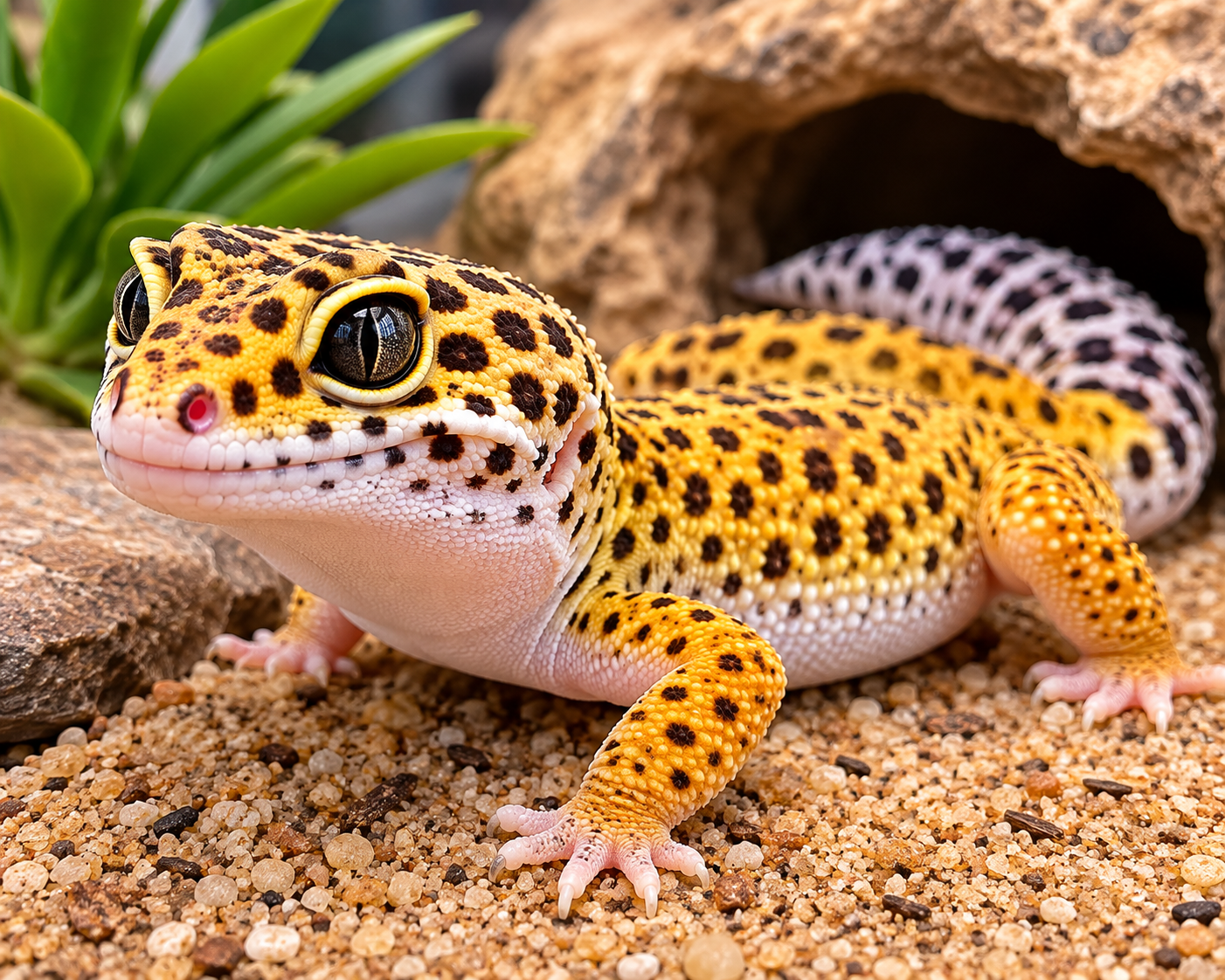
Part of the appeal of owning a leopard gecko comes from just how visually varied the species has become through decades of selective breeding. The wild-type coloration features a yellowish base with dark brown spots scattered across the body, which is where the “leopard” in their name originates. However, breeders have developed an enormous range of color and pattern variations, known as morphs, that go far beyond this original look, including striking combinations of orange, white, black, and even patternless designs.
Some of the more popular morphs include the high-yellow, which intensifies the natural yellow tones while reducing spotting, and the tangerine, prized for its vivid orange coloration. Albino morphs, which lack typical dark pigmentation, and the mack snow morph, known for its cooler grey and white tones, have also become widely sought after among collectors and casual owners alike. While morph selection is largely a matter of personal preference, it’s worth noting that some morphs have been associated with specific health considerations, so doing a bit of research into a particular morph’s background before purchasing is always a reasonable precaution.
Setting Up the Ideal Leopard Gecko Habitat
Getting the enclosure right is arguably the single most important factor in raising a healthy leopard gecko, since a poorly set up habitat is behind the majority of preventable health problems this species faces. A single adult leopard gecko needs a minimum of a twenty-gallon long tank, though larger enclosures are always appreciated and give the gecko more room to establish separate warm, cool, and humid zones. Glass terrariums with secure, ventilated lids remain the most common choice, offering good visibility while keeping the gecko safely contained.
Substrate choice deserves careful attention, since loose substrates like sand have historically caused impaction issues when accidentally ingested during feeding. Many experienced keepers now favor alternatives like reptile carpet, paper towels, or fine soil-based substrates specifically formulated for desert species, all of which reduce the risk of digestive blockages while still looking natural. Providing at least two to three hides throughout the enclosure, positioned in the warm zone, cool zone, and a designated humid hide, gives your gecko the security and environmental options it needs to regulate its own comfort throughout the day.
Temperature, Lighting and Humidity Requirements
Leopard geckos are ectothermic, meaning they rely entirely on their environment to regulate body temperature, which makes proper heating one of the most critical aspects of their care. The warm side of the enclosure should sit between roughly eighty-eight and ninety-two degrees Fahrenheit, typically achieved through an under-tank heating pad placed beneath a portion of the terrarium rather than heat lamps, since leopard geckos absorb heat primarily through their bellies from warm surfaces. The cool side should drop to around seventy-five degrees, allowing your gecko to move between zones as needed.
While leopard geckos are primarily nocturnal to crepuscular and don’t require intense UVB lighting the way many diurnal reptiles do, recent research has shown that low-level UVB exposure still offers meaningful health benefits, particularly for bone density and overall wellbeing. A low output UVB bulb positioned appropriately within the enclosure, paired with a consistent day-night light cycle, is now widely recommended by experienced keepers and veterinarians alike. Humidity should stay relatively low throughout most of the enclosure, generally between thirty and forty percent, with a designated humid hide containing damp moss or substrate to support healthy shedding.
Feeding Your Leopard Gecko: Diet and Nutrition
Leopard geckos are insectivores, meaning their diet consists entirely of live insects rather than fruits, vegetables, or commercial pellet food. Crickets and mealworms have traditionally formed the backbone of most feeding routines, though many keepers now incorporate dubia roaches as a staple due to their higher nutritional value and lower risk of causing digestive issues compared to some alternatives. Variety in feeder insects helps ensure a more balanced nutritional profile, and rotating between two or three insect types is generally considered good practice.
Proper supplementation is just as important as the insects themselves, since captive geckos don’t have access to the varied wild diet that would naturally provide essential nutrients. Dusting feeder insects with a calcium powder before most feedings, along with a multivitamin supplement roughly once or twice a week, helps prevent metabolic bone disease, one of the most common and preventable health issues seen in captive leopard geckos. Juveniles typically need daily feedings to support their rapid growth, while adults generally do well on feedings every other day, adjusted based on individual appetite and body condition.
Leopard Gecko Behavior and Temperament
One of the more endearing aspects of leopard gecko ownership is watching their behavior unfold once they settle into a comfortable routine. Newly acquired geckos often seem shy or skittish for the first few weeks, retreating to hides at the slightest disturbance, but this typically fades as they grow accustomed to their environment and their owner’s presence. Tail wagging, often mistaken for aggression, is frequently just a sign of focus or excitement, particularly during feeding time when a gecko has spotted its next meal.
It’s also worth understanding that leopard geckos, like most reptiles, can drop their tails as a defense mechanism if they feel seriously threatened or are handled too roughly. While the tail will regrow over time, it typically returns shorter, stubbier, and different in color and texture from the original, so gentle, confident handling from the start goes a long way toward avoiding this stress response. Over time, most leopard geckos become remarkably tolerant of regular, calm handling, and many even seem to seek out attention once trust has been established between gecko and owner.
Common Health Issues and How to Prevent Them
While leopard geckos are generally hardy animals when kept properly, a handful of health issues show up consistently enough among captive geckos that it’s worth understanding them in advance. Metabolic bone disease, caused by inadequate calcium intake or improper UVB exposure, remains one of the most serious and preventable conditions, often presenting as soft or deformed limbs, lethargy, or difficulty moving normally. Consistent supplementation and appropriate lighting are the most effective ways to avoid this condition entirely.
Impaction, typically caused by ingesting loose substrate along with food or from feeding insects that are too large relative to the gecko’s size, is another common concern that proper husbandry choices can largely prevent. Shedding difficulties, often linked to insufficient humidity in the enclosure’s humid hide, can also cause retained shed around the toes or tail if left unaddressed. Any signs of significant weight loss, unusual lethargy, discharge from the eyes or nose, or refusal to eat for an extended period warrant a visit to a veterinarian experienced with reptiles, since early intervention makes a substantial difference in treatment outcomes.
Lifespan and Long Term Commitment
One factor that surprises many first-time owners is just how long a well-cared-for leopard gecko can actually live. With proper husbandry, these geckos commonly reach fifteen to twenty years of age in captivity, occasionally even longer, making them a genuinely long-term commitment rather than a short-lived novelty pet. This lifespan rivals or exceeds that of many cats and dogs, and it’s a detail worth seriously considering before bringing one home, particularly for younger owners or families who may face significant life changes over the coming decades.
This longevity also means that consistency in care matters more than most new owners initially expect. Enclosures, heating equipment, and feeding routines need to remain reliable not just for the first few months but for years on end, and any prospective owner should think realistically about whether they can maintain that consistency long-term. That said, for those prepared for the commitment, the reward is a pet that becomes a genuinely familiar, long-standing presence in the household, often outlasting other pets and even significant personal milestones along the way.
Choosing a Healthy Leopard Gecko
Whether you’re buying from a pet store, a reptile expo, or a dedicated breeder, knowing what to look for makes a significant difference in starting off with a healthy animal. A healthy leopard gecko should have bright, clear eyes, a plump tail that indicates good fat reserves, and skin free of retained shed or visible wounds. Watch how the gecko moves and reacts to stimulus; alert, responsive behavior is generally a good sign, while extreme lethargy or an animal that seems unaware of its surroundings can indicate underlying health problems.
Buying from a reputable breeder often comes with the added benefit of detailed information about the gecko’s lineage, morph genetics, and feeding history, which can be valuable for new owners trying to establish a consistent care routine from day one. Reptile expos and specialty stores that focus specifically on reptiles, rather than general pet stores carrying a wide variety of animals, also tend to offer better-informed staff and generally healthier stock. Regardless of where you purchase from, asking direct questions about the gecko’s feeding schedule, age, and any known health history is always a reasonable and worthwhile step before finalizing a purchase.
Breeding Basics for Interested Keepers
For owners who eventually want to explore breeding, leopard geckos are among the more accessible reptile species to work with, though it still requires careful planning and a genuine understanding of the process before attempting it. Sexual maturity is typically reached around eighteen months to two years of age, and breeders generally recommend waiting until females reach an appropriate size and weight before introducing them to a male, since breeding too early can place significant strain on a female’s health.
One particularly interesting aspect of leopard gecko reproduction is temperature-dependent sex determination, meaning the incubation temperature of the eggs directly influences whether hatchlings develop as male or female. This gives breeders a degree of control over clutch outcomes, though it also requires precise, consistent incubation setups to achieve reliable results. Breeding is a significant undertaking involving additional equipment, careful monitoring of the female’s health throughout the process, and a realistic plan for finding homes for resulting hatchlings, so it’s generally best approached only after gaining solid experience with general leopard gecko care first.
Conclusion
Few reptiles offer the combination of manageable care requirements, engaging personality, and striking visual variety that the leopard gecko brings to the table, which explains why it remains such a consistently popular choice among both beginner and experienced reptile keepers alike. From setting up an appropriate enclosure with the right temperature gradient and hides to establishing a consistent feeding and supplementation routine, the core elements of leopard gecko care are straightforward once you understand what these animals actually need to thrive.
What makes owning a leopard gecko particularly rewarding is watching that initial cautious, shy behavior gradually give way to a confident, curious pet that recognizes routines and tolerates gentle handling over time. Whether you’re drawn in by their spotted patterns, their calm temperament, or simply the appeal of a low-maintenance pet with real personality, a well cared for leopard gecko can bring genuine enjoyment to your home for well over a decade. With the right setup and consistent attention to their needs, this small, resilient lizard tends to earn its reputation as one of the most rewarding reptiles a person can keep.
Frequently Asked Questions About Leopard Geckos
How big do leopard geckos get?
Adult leopard geckos typically reach between seven and ten inches in length, including their tail, with males generally growing slightly larger and heavier than females. Most geckos reach their full adult size by around eighteen months to two years of age.
Do leopard geckos need a heat lamp?
Leopard geckos primarily require belly heat from an under-tank heating pad rather than an overhead heat lamp, since they absorb warmth through contact with heated surfaces in their natural environment. A low-output UVB bulb is still recommended for overall health, though it serves a different purpose than a basking heat lamp used for many other reptile species.
Can leopard geckos live together?
Leopard geckos are generally solitary animals, and housing them together, particularly two males, often leads to stress and aggressive behavior that can result in injury. Most experienced keepers recommend housing leopard geckos individually to avoid these conflicts and reduce unnecessary stress on the animals.
What do leopard geckos eat besides crickets?
Beyond crickets, leopard geckos commonly eat mealworms, dubia roaches, and occasionally waxworms as an occasional treat due to their higher fat content. A varied diet of appropriately sized feeder insects, dusted with calcium and vitamin supplements, provides the most balanced nutrition.
How often should I handle my leopard gecko?
Once a leopard gecko has settled into its enclosure, typically after one to two weeks with minimal handling to reduce stress, gentle handling sessions of ten to fifteen minutes a few times a week are generally well tolerated. Always pay attention to individual comfort levels, since some geckos remain more reserved than others regardless of handling frequency.
Why is my leopard gecko not eating?
Reduced appetite can result from a range of factors including shedding, temperature issues within the enclosure, stress from a recent move or handling, or seasonal brumation behavior during cooler months. If refusal to eat persists for more than a week or two, especially alongside other symptoms like lethargy or weight loss, consulting a reptile veterinarian is the safest course of action.
Are leopard geckos good pets for beginners?
Yes, leopard geckos are widely considered one of the best beginner reptile species due to their manageable size, relatively simple care requirements, and generally docile temperament once acclimated. Their long lifespan does mean prospective owners should be prepared for a genuine long-term commitment rather than a short lived pet.
Do leopard geckos make noise?
Leopard geckos are generally quiet animals, though they can produce a soft chirping or squeaking sound, particularly during feeding, stress, or interactions with other geckos. This vocalization is normal behavior and not typically a cause for concern.