
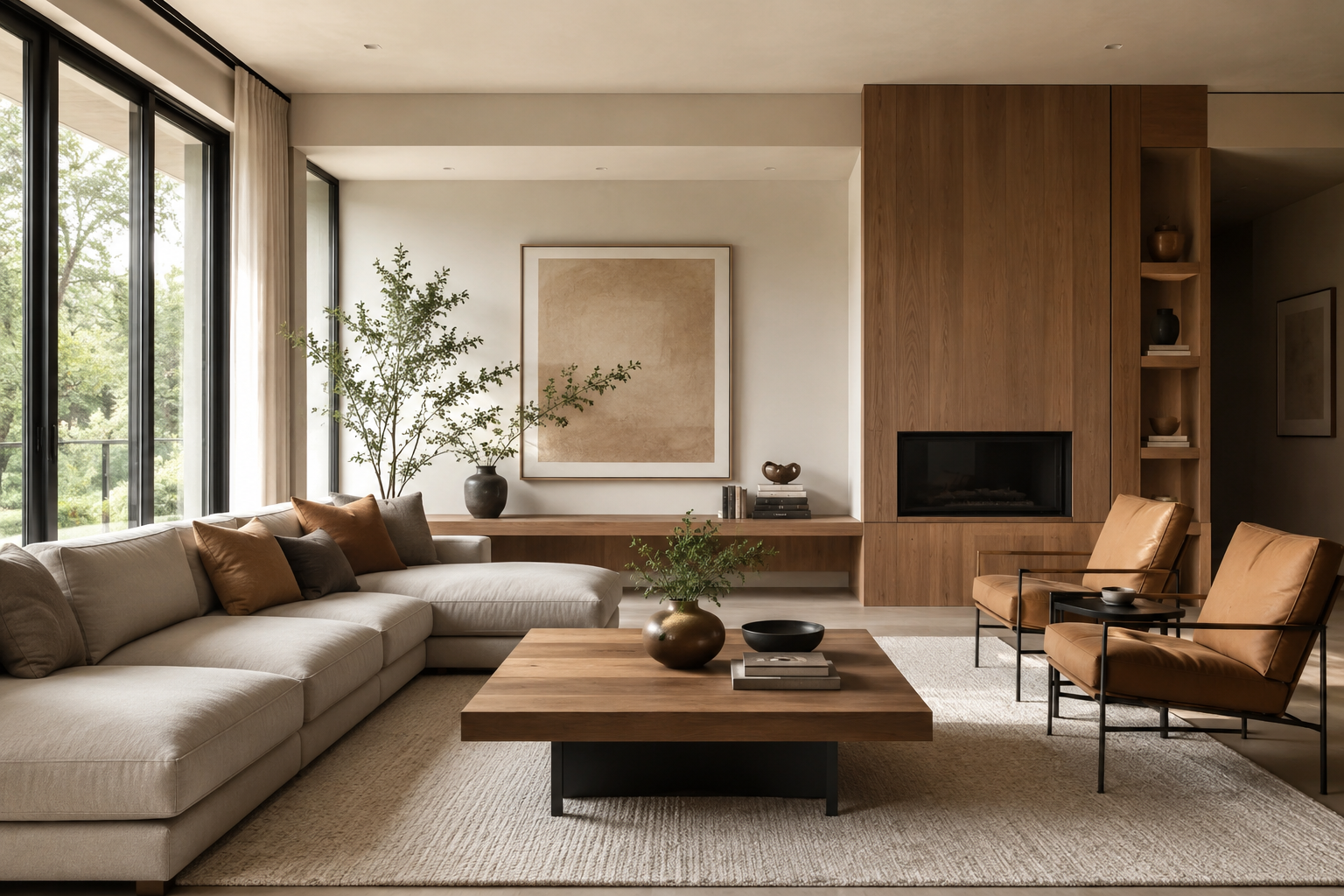

Walk into almost any newly renovated home, boutique hotel lobby, or design magazine spread today, and you will likely notice a familiar visual language: clean lines, neutral palettes, open layouts, and a careful balance between simplicity and warmth. This is the world of contemporary interior design, one of the most searched and misunderstood terms in home decor. Many people use “contemporary” and “modern” interchangeably, assuming they mean the same thing, but the two actually represent distinct design philosophies with different histories and defining characteristics.
Understanding what contemporary interior design actually means matters more than it might seem, especially if you are planning a renovation, furnishing a new home, or simply trying to communicate your vision clearly to a designer or contractor. Getting the terminology right can save you time, money, and the frustration of ending up with a space that does not match what you had in mind. This guide breaks down exactly what contemporary interior design is, how it differs from related styles, its defining features, and practical ways to bring it into your own home, whether you are working with a full budget or just a few thoughtful updates.
What Is Contemporary Interior Design?
Contemporary interior design refers to a style that reflects the current design trends of today, meaning it is constantly evolving rather than being tied to one fixed historical period. Unlike styles such as Victorian or Art Deco, which are permanently rooted in specific decades, contemporary design shifts gradually over time to reflect whatever aesthetic sensibilities are dominant in the present moment. What is considered contemporary today draws heavily from minimalism, sustainability, and a preference for functional, uncluttered spaces, but the style itself is not locked to any single decade.
This fluid, evolving nature is precisely what makes contemporary interior design both appealing and occasionally confusing for homeowners. Because the style borrows elements from multiple design movements, including minimalism, industrial design, and even touches of traditional craftsmanship, it can be harder to pin down than more rigidly defined styles. At its core, though, contemporary design consistently emphasizes simplicity, function, and a strong sense of visual balance, using negative space, natural materials, and carefully chosen accent pieces to create rooms that feel calm, current, and intentional rather than cluttered or overly ornate.
Contemporary vs Modern Interior Design: Key Differences
One of the most common points of confusion in interior design terminology involves distinguishing contemporary design from modern design, and understanding this difference is genuinely important. Modern design refers to a specific historical movement rooted in the early to mid-twentieth century, roughly spanning the 1920s through the 1950s, influenced by architects and designers such as those associated with the Bauhaus movement. Modern design emphasizes function over decoration, geometric forms, and materials like chrome, glass, and molded plastic, and it remains fixed to that particular era even as it continues to influence design today.
Contemporary design, by contrast, is not anchored to any specific decade and instead reflects whatever is currently popular, meaning it will look different in twenty years than it does today, simply because tastes and materials will have evolved. While contemporary spaces often borrow visual cues from mid-century modern design, such as clean lines and a lack of excessive ornamentation, contemporary interiors tend to feel softer, warmer, and more livable, often incorporating curved furniture, natural textures, and a broader color palette than the strict, geometric precision typically associated with true modernist design. Recognizing this distinction helps homeowners communicate more precisely with designers, contractors, and furniture retailers about the specific look they actually want to achieve.
Core Characteristics of Contemporary Interior Design
Clean Lines and Minimal Ornamentation
A defining hallmark of contemporary interior design is its commitment to clean, simple lines across furniture, architecture, and decor. Rooms designed in this style tend to avoid heavy carvings, ornate trim work, or fussy decorative details, favoring instead streamlined silhouettes that feel intentional and uncluttered. This does not mean contemporary spaces are cold or sterile, but rather that every element in the room tends to serve a clear visual or functional purpose, without excess decoration simply added for the sake of tradition or ornamentation.
This emphasis on simplicity extends beyond furniture into architectural details as well, including door and window frames, staircases, and built-in cabinetry. Rather than crown molding or elaborate wainscoting commonly found in traditional homes, contemporary spaces often favor flat, seamless surfaces and hidden hardware that keep the eye moving smoothly through the room rather than catching on decorative flourishes. The result is a visual calmness that many homeowners find appealing in an era where daily life already feels busy and visually overstimulating.
Neutral Color Palettes with Bold Accents
Color plays a central role in defining a contemporary interior, and the approach tends to favor a foundation of neutral tones such as white, beige, gray, and soft earth tones, layered with occasional bold accent colors used sparingly and intentionally. This neutral base creates a calm, cohesive backdrop that allows architectural features, furniture silhouettes, and artwork to stand out without competing for attention. It also gives homeowners flexibility to update accent pieces over time without needing to repaint or completely redecorate an entire room.
The strategic use of accent colors, whether through a single statement wall, a piece of bold artwork, or a vibrant throw pillow, adds personality and visual interest without overwhelming the space. This restrained approach to color differs meaningfully from maximalist or eclectic design styles, where multiple bold colors and patterns are layered together throughout a room. In contemporary design, color is used more like punctuation, deliberate and impactful precisely because it appears against a quiet, neutral background rather than competing with other loud visual elements.
Natural Light and Open Spaces
Contemporary interior design places significant emphasis on maximizing natural light and creating a sense of openness within a home. Large windows, minimal window coverings, and open floor plans that connect living, dining, and kitchen areas are common features of this style, reflecting a broader cultural shift toward homes that feel airy and connected rather than divided into small, enclosed rooms. This focus on light and openness is not purely aesthetic; it also reflects growing interest in wellness-oriented design that prioritizes natural daylight for both mood and energy efficiency.
Open layouts in contemporary homes often eliminate unnecessary walls and hallways, replacing them with flexible, multi-purpose zones that can adapt to different needs throughout the day. This approach to spatial planning tends to make homes feel larger than their actual square footage, since sightlines extend further and rooms flow into one another rather than feeling boxed in. For homeowners working with smaller spaces, adopting this open, light-filled sensibility can be one of the most effective ways to make a contemporary design approach feel authentic, even without a full structural renovation.
Popular Materials Used in Contemporary Design
Material selection plays a significant role in achieving an authentic contemporary look, and certain materials consistently appear across contemporary interiors due to their clean, understated qualities. Natural materials such as wood, stone, and wool are frequently used, often left in their natural finish rather than heavily stained or painted, which helps reinforce the style’s connection to warmth and organic texture despite its overall minimalist framework. These materials also align with growing consumer interest in sustainability and long-lasting, high-quality construction over disposable, trend-driven furnishings.
Alongside natural materials, contemporary design frequently incorporates industrial elements such as metal, glass, and concrete, particularly in fixtures, lighting, and architectural accents. The combination of natural warmth and industrial coolness is part of what gives contemporary spaces their distinctive balance, avoiding the harshness sometimes associated with purely modernist or industrial interiors while still maintaining a clean, current feel. Mixed material palettes, such as a wooden dining table paired with metal chair legs, are a recognizable signature of contemporary design that helps rooms feel layered and intentional rather than flat or one-dimensional.
Furniture Styles in Contemporary Interiors
Contemporary furniture tends to favor simple, streamlined silhouettes with an emphasis on comfort and functionality over ornate detailing. Sofas and chairs in contemporary spaces often feature clean, low-profile designs with subtle curves rather than sharp, rigid angles, softening the overall look while still maintaining a sense of visual restraint. Furniture pieces are typically chosen for their ability to serve a clear purpose within the room, avoiding the accumulation of purely decorative pieces that do not contribute meaningfully to how the space functions.
Multi-functional furniture has also become increasingly associated with contemporary design, reflecting both practical space constraints in urban living and a broader cultural shift toward intentional, less cluttered living environments. Storage ottomans, extendable dining tables, and modular sofa systems that can be reconfigured for different needs are common examples of this trend. This focus on flexibility and function, rather than furniture chosen purely for status or tradition, reflects contemporary design’s broader philosophy of creating homes that genuinely work for the way people live today.
Color Schemes That Define Contemporary Spaces
While neutral foundations dominate contemporary color schemes, the specific palette can vary depending on regional trends and individual preference, ranging from warm greige and soft taupe tones to cooler grays and crisp whites. What remains consistent across these variations is a commitment to tonal harmony, where colors within a space work together cohesively rather than clashing or competing for attention. This creates the sense of calm sophistication that many people associate with well-executed contemporary interiors.
Black has also become a particularly popular accent color within contemporary design, often used in window frames, light fixtures, and furniture hardware to add definition and contrast against lighter backgrounds. This use of black as an accent, rather than a dominant color, helps create visual grounding within a room without disrupting the overall lightness and openness that defines the style. Understanding how to balance neutral bases with strategic accent colors is often the difference between a space that feels genuinely contemporary and one that simply feels sparse or unfinished.
How to Bring Contemporary Design Into Your Home
Adopting contemporary interior design does not necessarily require a complete renovation or an unlimited budget, since many of its defining principles can be applied gradually through thoughtful updates. Start by decluttering and simplifying existing spaces, removing excess decorative items and focusing on a smaller number of intentional pieces that serve both function and visual purpose. This process alone often moves a room significantly closer to a contemporary aesthetic, since minimalism and intentionality are central to the style regardless of budget.
Updating paint colors to a neutral, tonal palette, swapping outdated hardware for cleaner, more streamlined options, and introducing natural materials such as wood or woven textiles are all relatively affordable ways to shift a space toward a contemporary feel. Lighting also plays an important role, and replacing dated fixtures with simple, sculptural designs can meaningfully update a room without major structural changes. For those with larger budgets, opening up floor plans, enlarging windows, or investing in higher-quality furniture with clean silhouettes can help achieve a more complete and authentic contemporary transformation over time.
Contemporary Design in Different Rooms
Living Room
In the living room, contemporary design typically centers around a low-profile sofa in a neutral tone, paired with a mix of natural and metal accents through coffee tables, lighting, and shelving. Rugs in this style tend to be simple in pattern, often geometric or solid, helping ground the furniture arrangement without introducing visual clutter. Artwork is usually limited to a few carefully chosen statement pieces rather than an extensive gallery wall, reinforcing the intentional, curated feel that defines contemporary spaces.
Kitchen
Contemporary kitchens frequently feature flat-panel cabinetry, often in matte finishes, paired with simple hardware or even handleless designs for an ultra-streamlined look. Countertops in materials like quartz or natural stone provide durability while maintaining a clean aesthetic, and open shelving is sometimes used to display curated dishware without overwhelming the space. Lighting tends to favor pendant fixtures with sculptural, minimalist designs positioned above islands or dining areas as functional focal points.
Bedroom
In contemporary bedrooms, the emphasis on calm, restful design becomes especially apparent, with layered neutral bedding, low platform beds, and minimal nightstands creating a serene atmosphere conducive to relaxation. Window treatments tend to be simple, often consisting of clean linen curtains or minimal blinds that allow natural light to filter through without heavy drapery. Storage solutions are typically built-in or streamlined, helping maintain the clutter-free environment that is central to achieving an authentic contemporary bedroom design.
Common Mistakes to Avoid
One frequent mistake homeowners make when attempting a contemporary design is confusing minimalism with emptiness, resulting in spaces that feel cold or unfinished rather than intentionally simple. Contemporary design still requires thoughtful layering through texture, lighting, and a small number of well-chosen accent pieces; simply removing furniture and decor without adding these balancing elements often produces a sparse, uninviting result rather than the warm sophistication the style is meant to achieve.
Another common pitfall involves mixing too many competing trends or styles without a unifying thread, which can make a space feel disjointed rather than cohesively contemporary. While contemporary design does incorporate influences from multiple movements, successful execution requires a consistent color palette, material selection, and overall visual language throughout the space. Homeowners should also avoid over-relying on trendy, disposable furniture pieces, since authentic contemporary design tends to favor higher-quality, timeless items over fast furniture that may look dated within just a few years.
Contemporary Interior Design vs Other Related Styles
Contemporary design is often confused not only with modern design but also with minimalist, Scandinavian, and industrial styles, each of which shares some overlapping characteristics while remaining distinct in important ways. Minimalist design tends to be even more restrained than contemporary design, often favoring an extremely limited color palette and very few decorative elements, whereas contemporary spaces typically allow for slightly more warmth, texture, and personality. Scandinavian design shares contemporary design’s love of natural light and simplicity but usually incorporates lighter wood tones and a distinctly cozy, hygge-inspired atmosphere.
Industrial design, meanwhile, draws more heavily from raw, unfinished materials such as exposed brick, ductwork, and reclaimed wood, creating a grittier aesthetic than the polished, refined look typically associated with contemporary spaces. While contemporary design may borrow certain industrial elements, such as metal accents or concrete flooring, it generally softens these features rather than making them the dominant visual theme. Understanding these subtle distinctions can help homeowners more accurately describe their desired aesthetic when working with designers, ensuring the final result truly matches their vision rather than blending several loosely related styles together.
Frequently Asked Questions
Is contemporary interior design the same as modern design?
No. Modern design refers to a specific historical movement from the early to mid-twentieth century, while contemporary design reflects whatever styles and trends are currently popular, meaning it continues to evolve over time rather than staying fixed to one era.
What colors are typically used in contemporary interior design?
Contemporary interiors generally rely on a neutral base of whites, grays, and earth tones, accented with occasional bold colors or black details used sparingly to create visual interest without overwhelming the space.
Is contemporary design expensive to achieve?
Not necessarily. While a full contemporary renovation can be costly, many core principles, such as decluttering, simplifying color palettes, and updating lighting or hardware, can be achieved affordably through gradual updates.
Can contemporary design work in small spaces?
Yes. Contemporary design’s emphasis on open layouts, natural light, and minimal clutter often makes it particularly well-suited to smaller homes, helping rooms feel more spacious and less visually crowded.
What materials are commonly used in contemporary interiors?
Common materials include natural wood, stone, and wool, often paired with metal, glass, and concrete accents, creating a balance between warmth and clean, industrial-inspired detailing.
How is contemporary design different from Scandinavian design?
While both styles emphasize simplicity and natural light, Scandinavian design typically incorporates lighter wood tones and a cozier, more casual atmosphere, whereas contemporary design tends to feel slightly more polished and versatile in its material choices.
Does contemporary interior design ever go out of style?
Because contemporary design is defined by current trends rather than one fixed aesthetic, its specific details will naturally shift over time, but its underlying principles of simplicity, functionality, and openness tend to remain consistently relevant.
What is the easiest way to start transitioning my home to contemporary design?
Begin by decluttering your space and simplifying your color palette to neutral tones, then gradually introduce clean-lined furniture, natural materials, and a few intentional accent pieces rather than attempting a complete overhaul all at once.
Conclusion
Contemporary interior design continues to resonate with homeowners because it offers a flexible, evolving framework built around simplicity, function, and thoughtful balance rather than a rigid set of rules tied to one specific era. By understanding what contemporary interior design truly means, and how it differs from related styles like modern, minimalist, and Scandinavian design, homeowners can make more informed decisions when renovating, furnishing, or simply refreshing their living spaces. Whether achieved through a complete remodel or a series of gradual updates, embracing the core principles of clean lines, natural materials, and intentional design choices can help create a home that feels current, comfortable, and authentically your own.