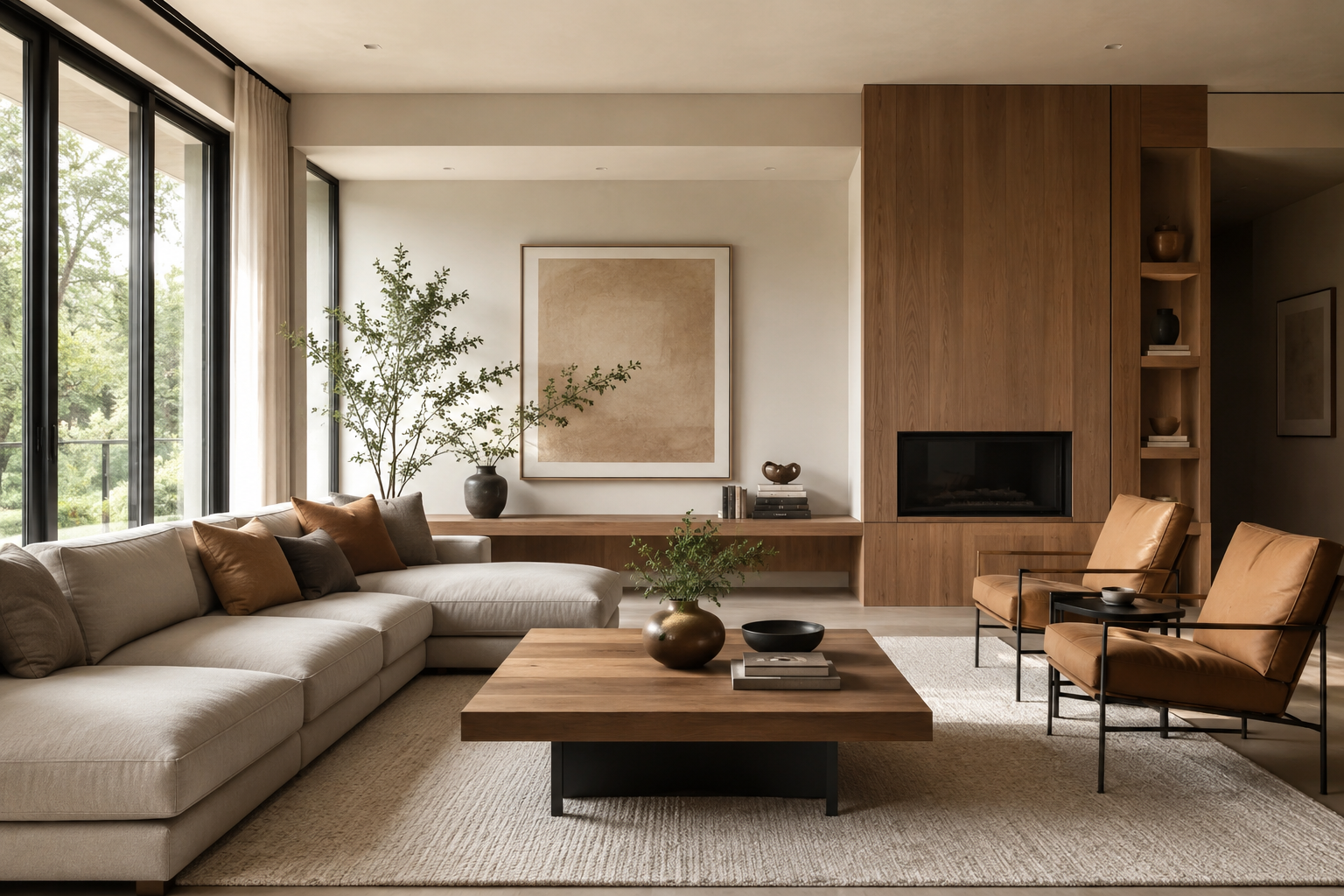


Turning a blank room into a beautifully functional space looks like a dream job, but how much do interior designers make once you factor in training, experience, and the realities of the market? It is a question that comes up constantly among aspiring designers, career-changers, and even homeowners curious about what they are actually paying for when they hire a professional. The honest answer is more nuanced than a single number, because pay in this field swings widely based on location, specialization, employment type, and how far along someone is in their career.
This article breaks down exactly how much do interior designers make using verified data from the U.S. Bureau of Labor Statistics and other reputable salary sources, rather than guesswork or inflated influencer claims. We will walk through entry-level pay, experienced-level earnings, the highest-paying states and industries, how freelance work changes the math, and what actually drives a designer’s income up over time. By the end, you should have a realistic, well-grounded picture of what this career can pay and what it actually takes to reach the higher end of that range.
What Is the Average Salary for Interior Designers in the United States?
According to the U.S. Bureau of Labor Statistics, the median annual wage for interior designers was $63,490 as of May 2024, which works out to roughly $30.52 per hour. The median is a particularly useful number because it represents the true midpoint of the profession, meaning half of all interior designers earn more than this figure and half earn less, which gives a clearer picture than an inflated average that can be skewed by a small number of very high earners.
The BLS also reports a mean annual wage of $68,530, which sits somewhat higher than the median, reflecting the presence of top earners pulling the average upward. For context, the same data set shows roughly 87,100 interior designer jobs across the country, with about 7,800 new job openings projected annually over the coming decade as the field grows modestly. These figures do not include self-employed designers, which is an important caveat since a meaningful portion of the profession works independently rather than for a traditional employer, a distinction we will explore in more detail later in this article.
Interior Designer Salary by Experience Level
Entry-Level Interior Designer Pay
Like most creative and design-focused professions, interior design pay starts modestly and grows substantially with experience. According to BLS percentile wage data, designers at the 10th percentile, which generally represents those newest to the field, earn around $37,730 per year. This entry-level range reflects the reality that new graduates typically start in junior or assistant roles, often supporting senior designers on projects rather than leading their own client relationships from day one.
It is worth noting that entry-level pay can vary meaningfully depending on whether a new designer lands a role at a specialized design firm, an architectural firm, a furniture retailer, or a residential construction company, since each of these employer types tends to pay somewhat differently. Building a strong portfolio during school, securing internships, and gaining exposure to real client work before graduation can meaningfully improve a new designer’s starting offers, even within this generally modest entry-level bracket.
Mid-Career and Senior-Level Earnings
As designers accumulate years of experience, build a client base, and develop specialized expertise, their earning potential increases considerably. BLS data places the 75th percentile at approximately $77,700 annually, representing experienced designers who have moved beyond entry-level responsibilities into more senior project management or specialized design roles. At the very top of the scale, the 90th percentile reaches roughly $101,860 or higher, representing designers with substantial experience, strong professional reputations, or leadership positions within larger design firms.
This wide spread between entry-level and top-tier pay illustrates something important about the profession: interior design rewards experience, specialization, and reputation far more than it rewards simply holding the job title. A designer who develops a niche in high-end residential work, healthcare design, hospitality design, or corporate workplace design often commands significantly higher fees than a generalist, particularly once they have a strong portfolio of completed projects to point to.
How Much Do Interior Designers Make by State?
Location plays a substantial role in determining how much do interior designers make, largely due to differences in cost of living, client budgets, and regional demand for design services. States with major metropolitan areas and higher costs of living, such as New York, California, and the District of Columbia, generally report higher median wages than states with lower population density or smaller design markets. For example, New York’s statewide median wage for interior designers sits above the national median, reflecting the concentration of high-budget residential and commercial design work in cities like New York City.
That said, higher pay in these states does not automatically translate into a proportionally better standard of living, since housing costs and general expenses in major metros can offset much of the salary advantage. Designers considering where to build their careers often need to weigh gross salary figures against local cost of living, tax rates, and the density of potential clients in a given market. Smaller cities and suburban markets can sometimes offer a more favorable balance between income and expenses, even if the headline salary numbers appear lower on paper.
Highest-Paying Industries for Interior Designers
Not all interior design jobs are created equal when it comes to compensation, and the industry a designer works within can meaningfully shift their earning potential. According to BLS industry breakdowns, designers working within architectural, engineering, and related services tend to report higher mean annual wages compared to those working in specialized design services firms or furniture retail settings. This often reflects the more complex, higher-budget nature of commercial and institutional projects handled by architecture-adjacent firms compared to smaller residential design shops.
Beyond the industries directly tracked by federal labor statistics, anecdotal and industry survey data, including reporting from organizations like the American Society of Interior Designers, suggests that sectors such as healthcare design, corporate workplace design, and hospitality design tend to offer some of the more lucrative opportunities within the broader field. These specialized niches typically require additional expertise around regulatory requirements, accessibility standards, or brand-driven design guidelines, which can justify higher fees and salaries for designers who develop genuine proficiency in these areas.
Freelance and Self-Employed Interior Designers: A Different Earnings Picture
A significant portion of interior designers work independently rather than as employees of a firm, and this self-employed segment of the profession is notably absent from most federal wage statistics, since the BLS Occupational Employment and Wage Statistics survey does not capture self-employed workers. This is an important gap to understand, because freelance and independent designers often have both higher earning ceilings and higher income volatility compared to salaried employees.
Independent designers typically earn through a combination of design fees, hourly consulting rates, and markups or commissions on furniture, materials, and vendor purchases made on behalf of clients. This structure means that a successful independent designer with a strong client roster and efficient project pipeline can potentially out-earn many salaried positions, particularly once they build a reputation that allows them to command premium rates. However, freelance income also comes with less predictability, no employer-provided benefits, and the added responsibility of running a small business alongside the actual design work, which is a tradeoff every independent designer needs to weigh carefully.
Factors That Influence an Interior Designer’s Salary
Education and Certification
While a bachelor’s degree is the typical entry-level education requirement for interior designers according to the BLS, additional credentials can meaningfully influence earning potential over time. Professional certification through the NCIDQ, or National Council for Interior Design Qualification, is widely respected within the industry and can open doors to higher-level positions, particularly in states or firms that place significant weight on formal credentialing. Some states also require specific licensing or registration for designers who wish to use certain professional titles, which is worth researching depending on where you plan to practice.
Continued education in specialized software, sustainable design practices, or niche areas like universal design and accessibility can also serve as a differentiator in a competitive job market. Employers and clients alike tend to place a premium on designers who can demonstrate up-to-date technical skills alongside strong creative instincts, since modern interior design increasingly involves detailed technical drawings, 3D modeling, and coordination with contractors and engineers.
Geographic Location and Cost of Living
As discussed earlier, where a designer works has a direct and substantial impact on their income, but it is worth emphasizing that this relationship is not purely about state-level averages. Even within a single state, wages can vary significantly between a major metro area and a smaller surrounding town, since client budgets and project scale tend to track closely with local economic conditions. Designers relocating for higher pay should research not just headline salary figures but also local demand for design services, since a high median wage in a saturated market may not translate into more actual opportunities.
Specialization and Niche Expertise
Generalist designers who take on a wide variety of residential and light commercial projects typically earn less than those who develop a focused specialty. Healthcare design, for instance, requires understanding of infection control standards and accessibility regulations that go well beyond typical residential knowledge, and designers who master this niche can often command higher fees due to the specialized expertise required. Similarly, hospitality and high-end residential design, particularly work involving custom furnishings and luxury materials, tends to offer higher earning potential compared to standard residential projects with tighter budgets.
Employment Type and Firm Size
Whether a designer works for a large established firm, a small boutique studio, or independently as a freelancer significantly shapes both their salary structure and earning ceiling. Larger firms often provide more stable salaries, benefits, and structured career advancement paths, while boutique studios and independent practice offer more variable income with potentially higher upside for those who successfully build a strong client base and reputation. Neither path is inherently better, and the right choice often depends on an individual designer’s risk tolerance, business acumen, and personal career goals.
Interior Design Job Outlook and Growth Potential
Understanding how much do interior designers make is only part of the picture; it also helps to understand where the profession is heading. The BLS projects employment growth of about 3 percent from 2024 to 2034 for interior designers, which is described as roughly in line with the average growth rate across all occupations nationally. While this is not explosive growth, it does reflect steady, ongoing demand driven largely by renovation projects, commercial buildouts, and continued homeowner interest in professional design services.
The BLS also notes that roughly 7,800 openings are projected each year on average over the coming decade, with many of these openings arising from workers transferring to other occupations or exiting the workforce entirely, such as through retirement, rather than purely from new job creation. This suggests that while the field is not rapidly expanding, there remains consistent turnover and opportunity for new entrants, particularly those willing to build strong portfolios and professional networks early in their careers.
How to Increase Your Earning Potential as an Interior Designer
Building a strong professional portfolio remains one of the most direct ways to increase earning potential in this field, since clients and employers alike place enormous weight on demonstrated past work when evaluating a designer’s capabilities. Actively seeking out challenging, high-visibility projects, even early in a career, and documenting them thoroughly with quality photography and case studies can pay dividends when negotiating salary or client fees down the line.
Pursuing recognized credentials such as NCIDQ certification, developing genuine expertise in a specialized niche, and staying current with design software and sustainable design practices are all practical steps that tend to correlate with higher long-term earnings. For those considering independent practice, developing basic business skills around pricing, client contracts, and vendor relationships is just as important as design talent itself, since even highly skilled designers can struggle financially without solid business fundamentals supporting their creative work.
Frequently Asked Questions
How much do interior designers make per year on average?
According to the U.S. Bureau of Labor Statistics, the median annual wage for interior designers was $63,490 as of May 2024, though earnings range widely from around $37,730 for those newer to the field up to $101,860 or more for experienced, top-tier designers.
Do interior designers make more money working for a firm or freelancing?
It depends on the individual. Salaried positions at firms typically offer more predictable income and benefits, while successful freelance designers can potentially earn more through design fees and markups on materials, though with greater income variability and no built-in employer benefits.
What state pays interior designers the most?
States with major metropolitan areas and higher costs of living, such as New York, California, and the District of Columbia, generally report higher median wages for interior designers, though local cost of living should also be factored into any comparison.
Is a degree required to become an interior designer?
The Bureau of Labor Statistics identifies a bachelor’s degree as the typical entry-level education requirement for interior designers, and many states also require specific licensing or certification, such as the NCIDQ credential, to use certain professional titles.
How long does it take to become a high-earning interior designer?
There is no fixed timeline, but reaching the higher end of the pay scale generally requires several years of experience, a strong professional portfolio, and often a specialized niche or advanced credential, rather than happening quickly after entering the field.
Do interior designers make commission on furniture and materials?
Many independent and freelance interior designers do earn a portion of their income through markups or commissions on furniture, fixtures, and materials purchased on behalf of clients, in addition to design fees, though this practice varies by designer and business model.
Is the interior design job market growing?
The Bureau of Labor Statistics projects about 3 percent employment growth for interior designers between 2024 and 2034, which is roughly in line with the average growth rate across all occupations, alongside an estimated 7,800 annual job openings from turnover and retirements.
What is the highest-paying specialization within interior design?
While pay varies by market and individual reputation, specialized niches such as healthcare design, corporate workplace design, and high-end hospitality or residential design tend to offer some of the stronger earning opportunities within the broader profession.
Conclusion
So, how much do interior designers make in today’s market? The most reliable answer, grounded in Bureau of Labor Statistics data, points to a median salary of around $63,490 per year, with a realistic range stretching from roughly $37,730 for newer designers up to $101,860 or more for experienced professionals in strong markets or specialized niches. Beyond these baseline figures, actual earnings depend heavily on geographic location, chosen specialization, employment type, and how proactively a designer builds their portfolio, credentials, and client relationships over time. For anyone weighing a career in interior design, understanding this full picture, rather than relying on a single average number, offers a far more useful foundation for setting realistic expectations and planning a path toward the upper end of the profession’s earning potential.
Artifacts
Fast food near me article
Document · MD
Technology insurance company
Document · MD
Derpy tiger
Document · MD
Onitsuka tiger article
Document · MD
Zebra gum article
Document · MD
Culture kings article
Document · MD
Leopard gecko care guide
Document · MD
Digital marketing jobs
Document · MD
Home decor stores article
Document · MD
Home goods guide article
Document · MD
Lion drawing guide
Document · MD
Roma lifestyle hotel guide
Document · MD
Img academy complete guide
Document · MD
How to become a travel agent
Document · MD
Interior doors article
Document · MD
Tft academy article
Document · MD
Technology news today article
Document · MD
What do crickets eat
Document · MD
A roma lifestyle hotel
Document · MD
Wood interior doors guide
Document · MD
Software engineer career guide
Document · MD
Zebra plant care guide
Document · MD
Gaming news article
Document · MD
White elephant gift guide
Document · MD
Dolphin radar instagram tracker guide
Document · MD
Bachelor of tourism studies
Document · MD
How much do interior designers make
Document · MD
Best ai search monitoring tools
Document · MD
Best places to visit in october
Document · MD
Ai search monitoring banner
Image · SVG
Contemporary interior design article
Document · MD
Where to travel in summer
Document · MD
French doors interior article
Document · MD
Best places to visit in ireland
Document · MD
Amber heard elon musk relationship story
Document · MD
What is adventure tourism
Document · MD
Mlb games ultimate guide
Document · MD
How to freshen car interior
Document · MD
Good culture cottage cheese article
Document · MD
Academy article
Document · MD
Apple computer guide
Document · MD
Can americans travel to cuba
Document · MD
Kai cenat net worth 2025
Document · MD
Best places to visit in october v2
Document · MD
Academy near me article
Document · MD
Culture amp article
Document · MD
Digital transformation strategies
Document · MD
Best places to visit in norway
Document · MD
Laptop repair guide
Document · MD
Advanced technology investment company
Document · MD
Best places to visit in croatia
Document · MD