
Wood interior doors have graced homes for centuries, and their appeal shows no sign of fading in a world increasingly filled with synthetic materials and mass produced finishes. There is something about the warmth, texture, and natural variation of real wood that vinyl, composite, or hollow core alternatives simply cannot replicate. Whether you are renovating a century old farmhouse or building a brand new custom home, the doors you choose say a great deal about the character and quality of your interior spaces.
This guide was written to walk homeowners, designers, and contractors through everything worth knowing before investing in wood interior doors. We will explore the different wood species available, compare solid wood against engineered options, examine popular design styles, and discuss maintenance, cost, and installation. By the end, you should feel confident selecting doors that not only look beautiful but also perform well for decades. Throughout this article, practical advice is grounded in real world experience with millwork, carpentry, and interior design trends across the United States, so you can trust the guidance is both accurate and genuinely useful.
What Makes Wood Interior Doors a Timeless Choice
There is a reason wood interior doors have remained a staple in residential architecture long after cheaper alternatives entered the market. Wood carries an organic warmth that instantly elevates a room, softening the sharp lines of modern construction while blending seamlessly with traditional decor. Unlike hollow core doors made from fiberboard or molded composite, a wooden door has a tactile presence. You can feel the weight when you open it, hear the solid thud when it closes, and notice the subtle grain patterns that shift with the light throughout the day. These sensory details might seem small, but they cumulatively shape how a home feels to live in.
Beyond aesthetics, wood interior doors also carry a sense of permanence and craftsmanship that resonates with buyers and homeowners alike. Real estate professionals often note that upgraded millwork, including solid wood doors, signals quality construction throughout the rest of the house. This perception is not accidental; wood has historically been reserved for higher-end builds because of its cost and the skilled labor required to shape, finish, and install it properly. Choosing wood interior doors today is as much about honoring that tradition of craftsmanship as it is about practical performance, and it remains one of the most reliable ways to add lasting character to any interior space.
Types of Wood Used in Interior Doors
Not all wood interior doors are created from the same species, and the type of wood used dramatically affects appearance, weight, price, and durability. Oak is among the most popular choices in the United States because of its prominent grain pattern and impressive strength. It takes stain beautifully, allowing homeowners to achieve anything from a light honey tone to a deep espresso finish. Mahogany, on the other hand, is prized for its reddish-brown hue and fine, straight grain, making it a favorite for formal spaces like studies, dining rooms, and entryways where a touch of elegance is desired.
Pine is a softer, more affordable option that works well for homeowners who want the look of wood without the higher price tag associated with hardwoods. While pine dents more easily than oak or mahogany, it accepts paint exceptionally well, making it a practical choice for cottage style or farmhouse interiors where a distressed or painted finish is the goal. Walnut, cherry, and maple round out the list of commonly used species, each offering a distinct grain character and color palette. Walnut brings a rich, chocolate-brown sophistication, cherry deepens beautifully with age and sun exposure, and maple offers a clean, understated look that suits contemporary and minimalist design schemes equally well.
Solid Wood vs Engineered Wood Interior Doors
One of the most important decisions buyers face is whether to choose solid wood or engineered wood interior doors. Solid wood doors are crafted from a single type of timber throughout, giving them exceptional density, soundproofing qualities, and a substantial feel when opened or closed. These doors tend to be heavier, which sometimes requires more robust hinges and frames, but the payoff is a door that can last generations if properly maintained. Solid wood is also more resistant to warping in stable, climate-controlled environments, though it can be sensitive to significant humidity swings if not properly sealed and finished.
Engineered wood interior doors, by contrast, use a core of composite material such as particleboard or finger-jointed wood, topped with a veneer of real wood on the surface. This construction method offers several practical advantages, including better resistance to warping, lighter overall weight, and often a lower price point than solid wood equivalents. Many homeowners find engineered wood interior doors to be an excellent middle ground, since they still deliver the authentic look and feel of natural wood grain while offering improved dimensional stability in humid climates like the American South or coastal regions. The right choice ultimately depends on your budget, climate, and how much long-term investment you want to make in your home’s interior doors.
Popular Styles and Designs of Wood Interior Doors
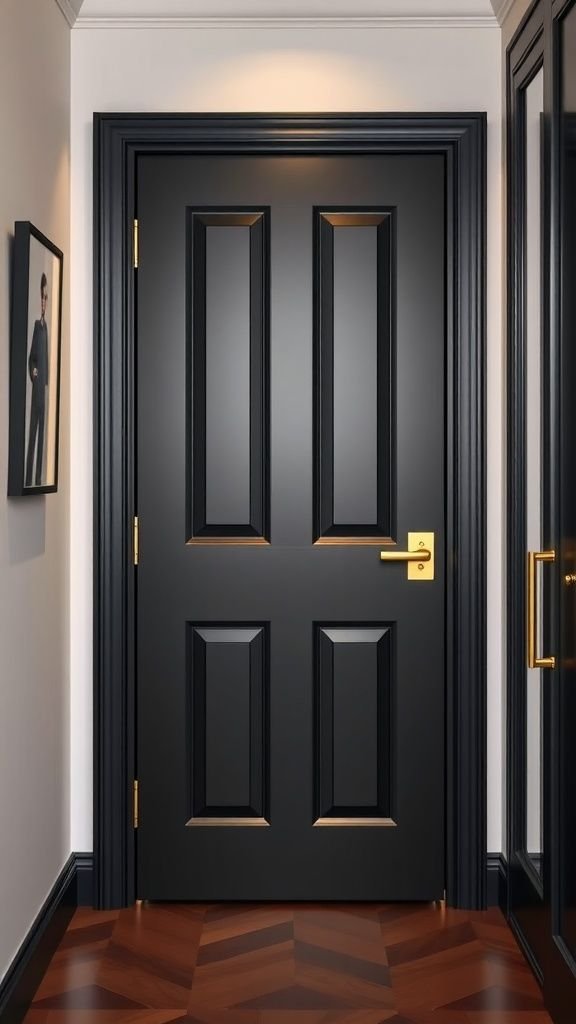
Wood interior doors come in a remarkable range of styles, each suited to different architectural aesthetics. Paneled doors remain the most classic option, featuring raised or recessed panels arranged in symmetrical patterns across the door face. A six-panel design evokes traditional colonial or Victorian homes, while a simpler two-panel or shaker-style door suits transitional and modern farmhouse interiors. These panel configurations add visual depth and dimension that a flat slab door simply cannot achieve, making them a popular choice for homeowners who want their doors to feel like intentional design statements rather than afterthoughts.
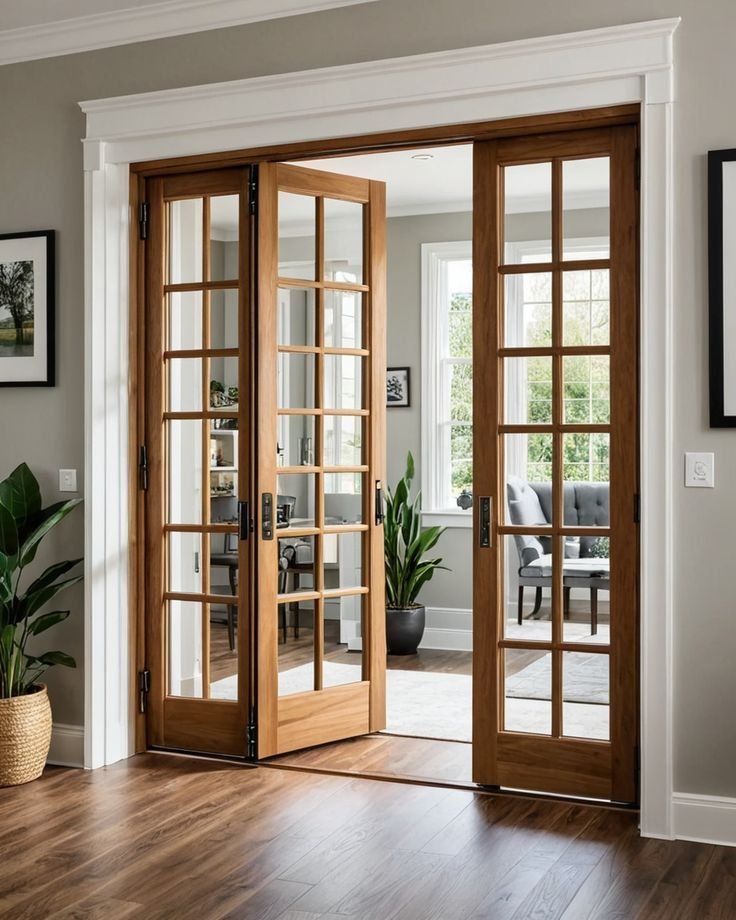
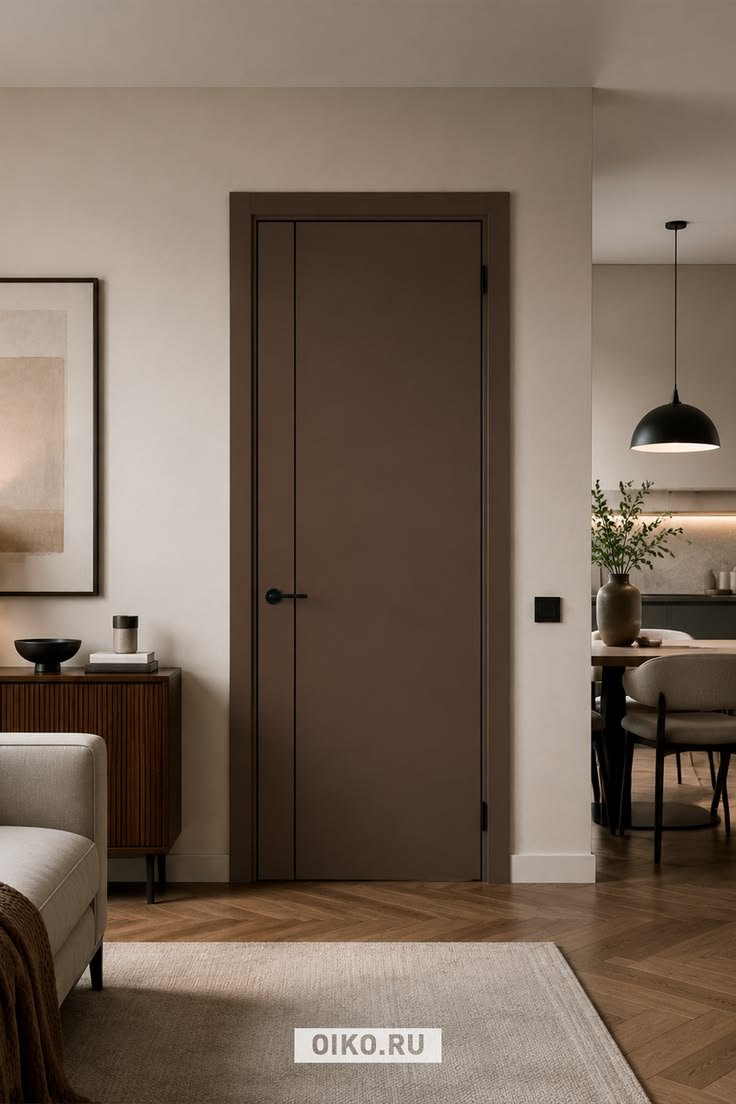
For those pursuing a more contemporary look, flush or slab wood interior doors offer clean, unbroken surfaces that emphasize the natural grain of the wood itself rather than decorative panel work. Barn-style sliding wood doors have also surged in popularity over the past decade, particularly for closets, pantries, and spaces where a swinging door would be impractical. French doors crafted from wood, often featuring multiple glass panes, bring an elegant transitional element between rooms while allowing light to pass through. Whatever style resonates with your home’s personality, the versatility of wood interior doors means there is almost always a design solution that fits both your functional needs and your aesthetic vision.
Benefits of Choosing Wood Interior Doors for Your Home
The advantages of wood interior doors extend well beyond their visual appeal. Acoustically, solid wood doors provide meaningfully better sound dampening than hollow-core alternatives, which matters greatly in home offices, bedrooms, and media rooms where privacy and quiet are priorities. The density of real wood absorbs and blocks sound waves more effectively than the thin, air-filled cavities found in cheaper door constructions, so conversations and noise from adjoining rooms are noticeably reduced when quality wood doors are installed throughout a home.
Durability is another significant advantage. While hollow-core doors tend to dent, crack, or even puncture under moderate impact, wood interior doors can withstand years of daily use, accidental bumps, and the general wear and tear of family life without showing significant damage. They are also refinishable, meaning scratches, dings, or outdated stain colors can be sanded down and refreshed rather than requiring full replacement. This repairability makes wood doors a genuinely sustainable long-term investment, since a single door can be refinished multiple times over its lifespan rather than ending up in a landfill after just a few years of use, which is often the fate of lower-quality composite doors.
How to Choose the Right Wood Interior Door for Each Room
Selecting wood interior doors is not a one-size-fits-all process, and different rooms often call for different considerations. Bedroom doors benefit from solid wood construction because of the added privacy and sound insulation they provide, especially in households with children or shift workers who need quiet during daytime hours. Bathroom doors, meanwhile, require extra attention to moisture resistance; engineered wood doors with a quality sealed finish or moisture-resistant veneer often perform better in these humid environments than untreated solid wood, which can be prone to swelling over time if exposed repeatedly to steam and humidity.
Closet and pantry doors offer more flexibility since they typically see less frequent, forceful use compared to bedroom or exterior-facing doors. This makes them a great opportunity to experiment with style, such as installing a sliding barn door or a louvered wood design that allows airflow. For home offices and studies, a solid wood door with excellent sound dampening properties is worth the investment, particularly if the space will be used for video calls, focused work, or musical practice. Thinking room by room rather than applying a blanket decision across the entire house ensures that each wood interior door serves its specific functional purpose while still contributing to a cohesive overall design.
Wood Interior Doors and Home Value: A Smart Investment
Real estate appraisers and agents frequently point to interior finishes, including door quality, as a meaningful factor in perceived home value. Wood interior doors signal to prospective buyers that a home has been built or renovated with attention to detail and quality materials, which can translate into a more favorable impression during showings and inspections. While doors alone will not single-handedly increase a home’s appraised value by a dramatic margin, they contribute to the overall sense of craftsmanship that buyers associate with premium properties, often making a home feel more move-in ready and less like it requires immediate updates.
Beyond resale considerations, wood interior doors also offer excellent long-term return on investment simply through their durability and timelessness. Unlike trendy design choices that can quickly feel dated, wood grain and classic panel styles have remained visually relevant for decades and are likely to continue doing so. Homeowners who invest in quality wood doors during a renovation are essentially future-proofing their interior against shifting design fads, since a well-maintained wood door installed today can still look appropriate and appealing twenty or thirty years from now, something that cannot be said for many synthetic alternatives that show their age much more quickly.
Maintenance and Care Tips for Wood Interior Doors
Proper maintenance is essential to preserving the beauty and function of wood interior doors over the long term. Regular dusting with a soft, dry cloth prevents the buildup of grime that can dull the finish over time, and occasional cleaning with a mild wood-safe cleaner helps remove fingerprints and smudges around handles and edges. It is important to avoid harsh chemical cleaners or abrasive scrubbing pads, as these can strip away protective finishes and leave the wood vulnerable to moisture damage or discoloration. A gentle approach, done consistently, will keep wood interior doors looking their best for years without requiring major refinishing work.
Humidity control also plays a crucial role in maintaining wood interior doors, since wood is a naturally hygroscopic material that expands and contracts with changes in moisture levels. Using a humidifier during dry winter months and a dehumidifier during humid summer months can help minimize the swelling, sticking, or gapping that sometimes occurs with solid wood doors in climates with significant seasonal shifts. Periodically checking and tightening hinges, as well as inspecting the finish for any signs of cracking or peeling, allows homeowners to catch small issues before they develop into more significant, costly problems requiring professional restoration or replacement.
Cost Considerations and Budgeting for Wood Interior Doors
Understanding the cost landscape is essential before committing to a wood interior door project, since prices can vary dramatically based on wood species, construction method, and level of customization. Pine and other softwood doors tend to sit at the more affordable end of the spectrum, making them attractive for budget-conscious renovations or homeowners furnishing multiple rooms at once. Hardwood species like oak, mahogany, and walnut command a noticeably higher price due to their density, grain complexity, and the additional labor required to work with them properly, but many homeowners find the investment worthwhile given the superior durability and visual impact these woods provide.
Beyond the door itself, budgeting should also account for hardware, hinges, and professional installation if you are not comfortable handling the project yourself. Custom sizing, decorative glass inserts, or specialty finishes like distressed or hand-rubbed stains will also increase overall project costs. It is wise to request quotes from multiple suppliers or local millwork shops, since pricing can vary significantly even for comparable products depending on regional labor rates and material sourcing. Planning a realistic budget upfront, while leaving a small contingency for unexpected costs, helps ensure that your wood interior doors project stays on track financially from start to finish.
Installation Tips: DIY vs Professional Installation
Deciding whether to install wood interior doors yourself or hire a professional carpenter depends largely on your skill level, available tools, and the complexity of the project. Pre-hung doors, which come already mounted in their frame, are generally more manageable for confident do-it-yourselfers, since much of the precise fitting work has already been completed at the factory. However, even pre-hung installations require careful attention to leveling, shimming, and securing the frame properly within the rough opening, and mistakes here can lead to doors that stick, fail to latch correctly, or develop visible gaps over time.
Slab doors, which require fitting into an existing frame, demand a higher level of carpentry skill, including precise measuring, hinge mortising, and often trimming the door itself to achieve a proper fit. For homeowners without extensive woodworking experience, hiring a professional installer is often the wiser choice, particularly for solid wood doors that are heavier and less forgiving of installation errors. A poorly installed wood interior door can lead to premature wear on hinges, difficulty opening and closing, and even structural issues with the surrounding frame, so weighing the upfront cost of professional installation against the potential for costly corrections down the line is a worthwhile exercise before beginning any project.
Sustainability and Eco-Friendly Aspects of Wood Interior Doors
For environmentally conscious homeowners, wood interior doors can align well with sustainability goals when sourced responsibly. Many manufacturers now offer doors certified by organizations that verify responsible forestry practices, ensuring that the wood used comes from managed forests where harvesting is balanced with replanting and ecosystem preservation. Choosing certified sustainable wood interior doors allows homeowners to enjoy the natural beauty of real timber while minimizing their environmental footprint, an increasingly important consideration for buyers who want their renovation choices to reflect broader values around conservation and responsible consumption.
Wood is also inherently more biodegradable and recyclable than many synthetic door materials, which often contain plastics, foams, or adhesives that do not break down easily at the end of their lifespan. Reclaimed wood interior doors, salvaged from old barns, warehouses, or demolished buildings, offer an especially eco-friendly option that combines sustainability with unique character, since each reclaimed piece carries its own history and patina that cannot be replicated by new manufacturing. Additionally, because quality wood doors can be refinished and reused rather than discarded, they generate significantly less waste over their functional lifetime compared to composite doors that are typically replaced rather than restored once they become damaged or outdated.
Common Mistakes to Avoid When Buying Wood Interior Doors
One frequent mistake homeowners make when shopping for wood interior doors is failing to measure existing openings accurately before ordering. Standard door sizes work for many homes, but older houses or custom builds sometimes have non-standard openings that require precise measurements or custom-sized doors. Ordering the wrong size can lead to costly delays, additional carpentry work, or an ill-fitting final product that undermines the overall look and function of the renovation. Taking the time to measure carefully, and even having a professional confirm measurements before placing an order, can save significant frustration later in the process.
Another common oversight involves ignoring the specific environmental conditions of the installation location. Installing solid, unsealed wood doors in consistently humid bathrooms or basement areas without proper finishing can lead to premature warping or swelling, undermining the investment within just a few years. Similarly, homeowners sometimes choose a wood species or finish based purely on current trends without considering how it will coordinate with existing flooring, trim, and cabinetry throughout the home. Taking a holistic view of the entire interior, rather than selecting doors in isolation, helps ensure that the finished result feels cohesive and intentional rather than mismatched or out of place.
Choosing Hardware and Finishes to Complement Wood Interior Doors
The hardware selected for wood interior doors plays a surprisingly large role in the overall aesthetic outcome of a renovation. Brushed nickel, matte black, and antique brass are among the most popular finishes currently favored in American interiors, each pairing differently with various wood tones and stain colors. Darker wood species like walnut or espresso-stained oak often look striking against matte black hardware, creating a bold, modern contrast, while lighter woods such as maple or natural pine tend to pair beautifully with warmer finishes like antique brass or satin bronze, reinforcing a softer, more traditional feel throughout the room.
Beyond color coordination, the style of hardware itself, whether lever handles, classic knobs, or minimalist flush pulls for sliding barn doors, should align with the overall design language of the home. A farmhouse-inspired space calls for different hardware than a sleek, contemporary loft, even if both feature wood interior doors as their foundation. Taking time to select complementary hinges, handles, and even hinge screws in matching finishes demonstrates the kind of attention to detail that elevates a good renovation into a genuinely polished, professional-looking result that homeowners will continue to appreciate for years to come.
Conclusion
Wood interior doors remain one of the most reliable, versatile, and visually rewarding choices available to homeowners seeking to elevate their living spaces. From the rich variety of wood species and construction methods to the wide range of styles suited to virtually any architectural aesthetic, there is a wood door solution for nearly every home and budget. Their superior durability, sound dampening qualities, and long term repairability make them a genuinely smart investment compared to cheaper synthetic alternatives that often need full replacement after just a few years of everyday wear.
As you move forward with your own renovation or new build, remember that choosing the right wood interior doors involves more than aesthetics alone. Consider the specific needs of each room, budget realistically for both materials and installation, and pay attention to maintenance practices that will keep your doors looking beautiful for decades. With thoughtful planning and quality craftsmanship, wood interior doors can become one of the most enduring and satisfying design decisions you make throughout your entire home.
You may read this blog Interior Doors
FAQs
What is the average lifespan of wood interior doors?
With proper care and maintenance, solid wood interior doors can last anywhere from thirty to fifty years or even longer, particularly if they are periodically refinished. Engineered wood doors typically have a slightly shorter lifespan but can still provide decades of reliable performance when installed and maintained correctly.
Are wood interior doors more expensive than other door materials?
Generally speaking, wood interior doors cost more upfront than hollow-core or composite alternatives, especially when using premium hardwood species like walnut or mahogany. However, their durability and refinishing potential often make them more cost effective over the long term, since they rarely require full replacement.
Can wood interior doors be installed in bathrooms without warping?
Yes, but proper sealing and finishing are essential. Engineered wood doors with moisture resistant veneers or solid wood doors treated with quality waterproof sealants tend to perform better in humid bathroom environments than untreated wood, which is more susceptible to swelling and warping over time.
How do I know if I should choose solid wood or engineered wood doors?
The decision largely depends on your budget, climate, and priorities. Solid wood offers superior soundproofing and a more substantial feel, while engineered wood provides better resistance to warping in humid climates along with a generally lower price point, making it a practical choice for many households.
Do wood interior doors require special cleaning products?
Wood interior doors generally only need a soft, dry or slightly damp cloth for regular dusting, along with an occasional mild wood-safe cleaner for deeper cleaning. Harsh chemical cleaners and abrasive materials should be avoided since they can damage the protective finish over time.
Can I paint wood interior doors instead of staining them?
Absolutely, many wood species, particularly pine, accept paint exceptionally well and are commonly used for painted finishes in cottage, coastal, or farmhouse-style interiors. Hardwoods with prominent grain, like oak, can also be painted, though staining is often preferred to showcase their natural texture.
Is it worth hiring a professional for wood interior door installation?
For solid wood doors especially, professional installation is often worthwhile due to their weight and the precision required for proper hinge mortising and frame alignment. A poorly installed door can lead to functional issues and premature wear, so professional help can save money and frustration in the long run.