
Every home tells a story through its details, and few elements shape that story as quietly and powerfully as interior doors. They separate spaces, frame views, control sound and set the tone for what lies beyond each threshold. While exterior doors often receive the spotlight for curb appeal, interior doors are the unsung heroes that influence daily comfort, privacy, and the overall flow of a household. Whether you are renovating a single bedroom or redesigning an entire floor plan, understanding how interior doors work within a space can transform the way your home feels and functions.
This guide takes a deep dive into everything homeowners, designers, and renovators need to know about interior doors. From materials and styles to installation, maintenance, and emerging trends, we will explore how these often-overlooked fixtures carry enormous design and practical weight. By the end, you will have a clear roadmap for selecting doors that suit your lifestyle, budget, and aesthetic vision, along with the confidence to make informed decisions that pay off for years to come.
Understanding the Role of Interior Doors in Home Design
Interior doors do far more than swing open and closed. They act as transitional elements that guide movement through a home, subtly directing traffic from communal areas like kitchens and living rooms toward more private spaces such as bedrooms and bathrooms. A well chosen door can visually anchor a hallway, complement adjoining trim work, and create a sense of continuity between rooms that might otherwise feel disconnected. Without this thoughtful integration, even a beautifully decorated home can feel fragmented or mismatched.
Beyond their visual contribution, interior doors serve essential functional purposes that homeowners often underestimate until they are missing. They provide acoustic separation between noisy and quiet zones, help regulate temperature by containing heated or cooled air within specific rooms, and offer privacy for bedrooms, bathrooms, and home offices. In multi-generational households or homes with children, doors also play a safety role by allowing certain areas to be closed off. Recognizing this dual purpose, both aesthetic and practical, is the first step toward making smarter choices when selecting or replacing doors throughout your home.
Popular Types of Interior Doors for Modern Homes
The market offers a surprising variety of door types, each suited to different spatial needs and design goals. Hinged panel doors remain the most traditional and widely used option, swinging on a single axis and available in countless panel configurations, from simple flat slabs to ornate six-panel designs. These doors work well in most standard door openings and are compatible with a wide range of trim styles, making them a dependable choice for bedrooms, offices, and general room separation throughout a house.
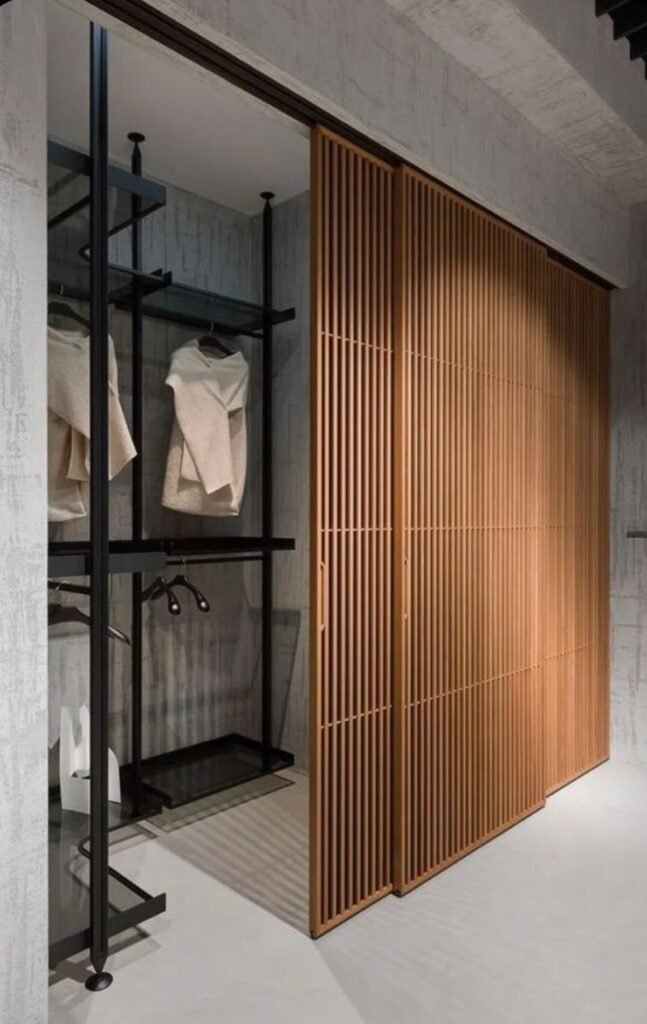
Sliding and pocket doors have surged in popularity as homeowners seek space-saving solutions for smaller rooms or tight hallways. A pocket door disappears entirely into the wall cavity, freeing up floor space that a swinging door would otherwise require, which makes it ideal for bathrooms, closets, and laundry rooms. Barn-style sliding doors, mounted on an exposed track, have also become a favored design statement, adding rustic or industrial character while solving practical clearance issues. Bifold and French doors round out the popular categories, with bifold doors suiting closets and pantries, and French doors bringing elegance and natural light transfer to spaces like home offices, dining rooms, and sunrooms.
Choosing the Right Material for Interior Doors
Material selection significantly influences both the performance and price point of interior doors. Solid wood doors remain a premium choice, prized for their durability, natural warmth, and superior sound dampening compared to hollow alternatives. Species like oak, mahogany, and pine each bring distinct grain patterns and tonal qualities, allowing homeowners to match doors to existing woodwork or create a striking contrast. However, solid wood doors tend to be heavier and more expensive, and they can be sensitive to humidity fluctuations, which may cause warping in poorly regulated environments.
For budget conscious renovations, hollow core doors constructed from engineered wood or composite materials offer a lightweight and affordable alternative. While they lack the acoustic insulation and heft of solid wood, modern manufacturing techniques have improved their appearance considerably, with many models featuring realistic wood-grain laminates that are difficult to distinguish from solid options at a glance. Glass and metal doors have also gained traction in contemporary interiors, particularly for home offices and modern loft style spaces, where transparency and industrial aesthetics are desired. Composite doors, blending wood fibers with synthetic resins, strike a balance between cost, durability, and moisture resistance, making them a practical choice for bathrooms and laundry areas prone to humidity.
Interior Door Styles That Complement Every Aesthetic
Design style plays a pivotal role in how interior doors integrate with the rest of a home’s decor. Traditional homes often favor raised-panel doors with decorative molding, evoking a sense of craftsmanship and formality that pairs naturally with classic trim, crown molding, and wainscoting. These doors typically feature symmetrical panel arrangements, ranging from two to six panels, and are frequently painted in crisp white or stained in rich wood tones to match surrounding millwork throughout the home.
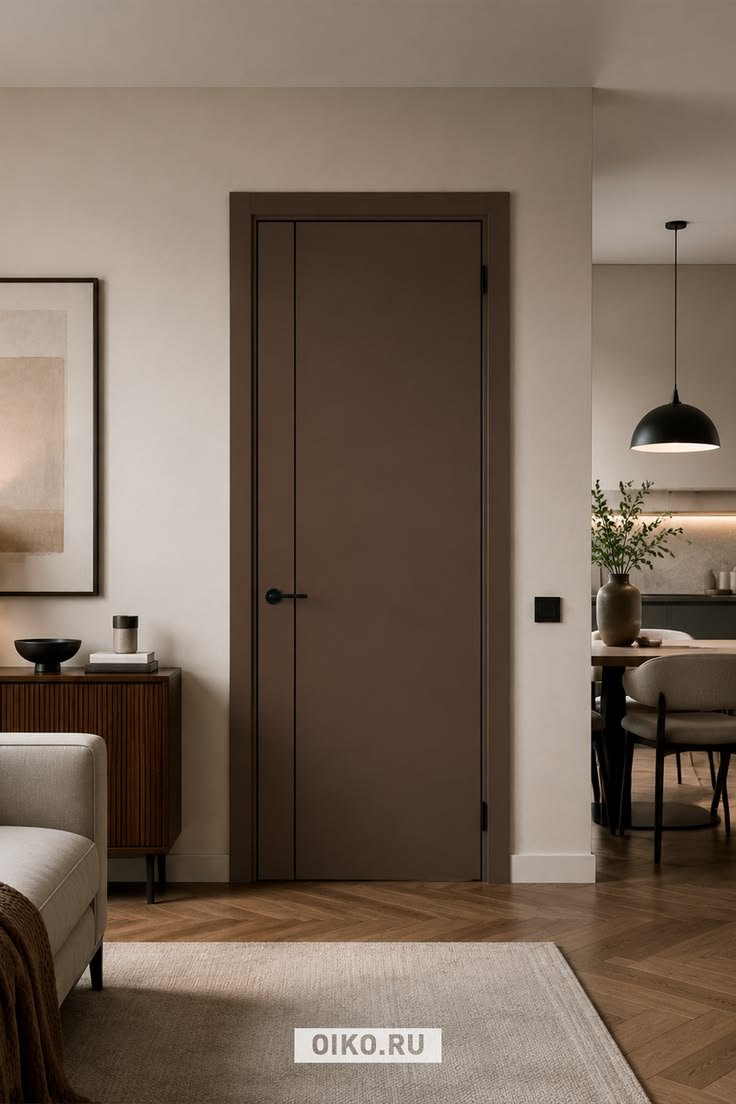
Modern and minimalist interiors, by contrast, tend to favor flush or shaker style doors with clean lines and minimal ornamentation. Flush doors present a smooth, uninterrupted surface that pairs beautifully with contemporary hardware and monochromatic color schemes, while shaker style doors offer a slightly more textured look through simple, recessed panels without excessive detailing. Farmhouse and industrial aesthetics often incorporate sliding barn doors with visible hardware, exposed wood grain, and black metal accents, creating a focal point rather than a background element. Regardless of the overall design direction, selecting a consistent door style throughout connected living spaces helps maintain visual harmony and prevents the jarring effect of mismatched transitions between rooms.
The Impact of Interior Doors on Home Value and Functionality
Real estate professionals frequently note that small upgrades, including door replacements, can meaningfully influence a buyer’s perception of a home’s overall quality and upkeep. Outdated, damaged, or mismatched doors can make an otherwise well-maintained property feel neglected, while fresh, cohesive doors signal attention to detail and pride of ownership. This is particularly true in older homes where original doors may have deteriorated hardware, uneven surfaces, or styles that clash with updated flooring and paint choices elsewhere in the house.
Functionality also weighs heavily on how a home is experienced day to day. Doors that stick, fail to latch properly, or allow excessive noise transfer can create ongoing frustration for occupants, subtly diminishing satisfaction with an otherwise comfortable living space. Upgrading to properly fitted, well constructed doors resolves these annoyances while simultaneously improving insulation and privacy. For homeowners planning to sell in the near future, replacing worn interior doors is often a cost effective renovation that yields a noticeable return in buyer impressions, especially when paired with updated hardware and fresh paint on trim and casing.
Interior Doors and Energy Efficiency and Soundproofing
While exterior doors and windows typically receive more attention in energy efficiency discussions, interior doors contribute meaningfully to a home’s thermal and acoustic performance. Solid core doors, whether made from real wood or engineered composites, provide substantially better insulation than hollow core alternatives, helping to maintain consistent temperatures between rooms with different heating or cooling needs. This is especially valuable in homes with additions, converted garages, or rooms above unheated spaces, where temperature differentials can be pronounced without adequate door insulation.
Soundproofing is another area where door choice makes a tangible difference in daily comfort. Home offices, nurseries, media rooms, and music practice spaces all benefit from doors with higher sound transmission class ratings, which indicate how effectively a door blocks noise from passing through. Features like solid cores, weatherstripping around the frame, and door sweeps at the bottom edge all contribute to reduced sound leakage. For households juggling remote work, homeschooling, or simply a desire for quiet retreats, investing in acoustically rated interior doors can meaningfully improve the livability of a home without requiring structural renovations.
Hardware and Finishing Touches for Interior Doors
The hardware selected for interior doors often receives less attention than the doors themselves, yet it plays an outsized role in both function and style. Doorknobs, levers, hinges, and locksets come in a vast range of finishes, including brushed nickel, matte black, antique brass, and polished chrome, each contributing a distinct visual signature to a room. Coordinating hardware finishes across a home creates a polished, intentional look, while mismatched or inconsistent hardware can undercut even the most carefully chosen door styles.
Beyond aesthetics, hardware quality directly affects daily usability and longevity. Cheap, poorly manufactured hinges and latches tend to loosen over time, leading to doors that sag, stick, or fail to close securely, which can be both inconvenient and a minor security concern for rooms requiring privacy. Investing in solid brass or stainless-steel hardware, along with properly sized hinges for the door’s weight, ensures smoother operation and reduces the frequency of repairs. Additional finishing touches, such as decorative rosettes, kick plates, or custom door pulls for sliding and barn style doors, allow homeowners to further personalize their spaces while reinforcing a cohesive design narrative throughout the home.
Installation Considerations for Interior Doors
Proper installation is arguably as important as the door selection itself, since even a high quality door can perform poorly if improperly fitted. Door openings must be measured accurately, accounting for the rough opening size, the thickness of the wall, and the swing direction required for the space. Prehung doors, which come attached to a frame and hinges, simplify installation considerably compared to slab doors that must be fitted into an existing frame, though they require careful attention to ensure the frame sits level and plumb within the wall opening.
Homeowners often face the decision of whether to hire a professional installer or attempt installation themselves. While straightforward slab replacements within an existing frame can be manageable for handy homeowners, installing prehung doors, especially in older homes with uneven framing, frequently benefits from professional expertise to avoid issues like binding, gaps, or improper alignment. Sliding and pocket door installations introduce additional complexity, often requiring modifications to wall framing to accommodate the track and pocket cavity. Given the potential for costly mistakes, particularly with structural modifications, consulting a qualified contractor for anything beyond basic door swaps is generally a wise investment that protects both the door’s performance and the surrounding wall integrity.
Maintenance Tips to Extend the Life of Interior Doors
Like any frequently used household feature, interior doors benefit from regular maintenance to preserve their appearance and function over time. Periodically checking and tightening hinge screws prevents sagging, which is one of the most common issues leading to doors that scrape against flooring or fail to close properly. Lubricating hinges with a light household oil every few months reduces squeaking and wear, while inspecting weatherstripping and door sweeps ensures continued sound and temperature insulation, particularly for doors separating climate-controlled zones within the home.
Surface care also plays a significant role in longevity, especially for painted or stained wood doors exposed to handling, humidity, and sunlight. Cleaning doors with a soft cloth and mild cleaner prevents buildup of dust and grime that can dull finishes over time, while periodic touch-ups to paint or stain protect the underlying material from moisture damage and fading. In bathrooms and kitchens, where humidity levels fluctuate more dramatically, monitoring for signs of warping or swelling allows homeowners to address issues early, often through simple adjustments or resealing, before more extensive repairs or replacements become necessary.
Budgeting for Interior Door Replacement or Upgrade
Cost considerations naturally factor heavily into decisions about interior doors, and understanding the range of available price points helps homeowners plan realistic renovation budgets. Basic hollow-core doors represent the most affordable option, often suitable for closets, secondary bedrooms, or rental properties where budget constraints take priority over premium materials. Mid-range options, including solid-core composite doors and standard solid wood doors in common species like pine or poplar, offer a balance of durability and cost that suits most primary living spaces.
At the higher end of the spectrum, custom solid wood doors, specialty glass panel doors, and designer barn or French door configurations can command significantly higher prices, particularly when factoring in premium hardware and professional installation. Homeowners undertaking whole-home renovations often find value in phasing door replacements, prioritizing high-traffic or highly visible areas first, such as entryways to main living spaces, before addressing secondary rooms over time. Additionally, factoring in the cost of matching trim, casing, and paint or stain ensures the full scope of the project is accurately budgeted, preventing unexpected expenses once installation begins.
Trends Shaping the Future of Interior Doors
Design trends continue to evolve, and interior doors are no exception to the broader shifts occurring across home design and architecture. Matte black hardware and frames have surged in popularity, offering a bold contrast against lighter wall colors and creating a striking focal point in otherwise neutral spaces. Similarly, oversized doors that extend closer to ceiling height have become a signature of contemporary luxury homes, lending a sense of grandeur and architectural intention that standard height doors cannot replicate.
Sustainability is also shaping material choices, with growing interest in reclaimed wood doors, doors certified through responsible forestry programs, and composite materials manufactured with reduced environmental impact. Smart home integration represents another emerging frontier, with some interior doors now incorporating features like integrated sensors, automated locking mechanisms, or compatibility with home automation systems for enhanced security and convenience. As these trends continue to mature, homeowners increasingly view interior doors not merely as functional necessities but as meaningful design opportunities that reflect broader values around sustainability, technology, and personalized aesthetics.
Matching Interior Doors With Overall Home Architecture
Achieving a cohesive look throughout a home requires thinking beyond individual rooms to consider how interior doors relate to the architectural style of the property as a whole. A craftsman-style home, for instance, typically calls for doors with substantial stiles and rails, often paired with dark wood stains and simple geometric panel configurations that echo the era’s emphasis on visible craftsmanship. Attempting to install sleek, flush modern doors in such a home can create visual dissonance that undercuts the architectural integrity buyers and residents often value in period-specific properties.
Conversely, contemporary and transitional homes offer more flexibility, often accommodating a range of door styles from minimalist flush designs to simple shaker panels without compromising the overall aesthetic. When uncertain about the right direction, homeowners can benefit from examining existing architectural details, such as window trim, baseboards, and staircase railings, to identify consistent design cues that doors should echo. This holistic approach ensures that interior door selections feel like a natural extension of the home’s existing character rather than an afterthought, ultimately contributing to a more polished and intentional living environment throughout every connected space.
You may read this blog Novak Djokovic Mount
Conclusion
Interior doors may not always command the attention that flooring, cabinetry, or paint colors receive during a renovation, yet their influence on a home’s functionality, comfort, and overall design cohesion is substantial. From the material and style selected to the hardware finishing each installation, every decision contributes to how a space feels and performs on a daily basis. Thoughtfully chosen interior doors can enhance privacy, improve energy efficiency, dampen unwanted noise, and elevate the visual continuity of a home, all while supporting long-term value for homeowners planning future resale.
As this guide has explored, the process of selecting and maintaining interior doors involves far more than a simple trip to the hardware store. It requires balancing budget considerations with material durability, aligning style choices with existing architecture, and ensuring proper installation to guarantee smooth, lasting performance. Whether upgrading a single closet door or overhauling every threshold in a full home renovation, approaching interior doors with the same care given to more prominent design elements pays dividends in both everyday livability and long term property value.
FAQs
What is the most durable material for interior doors?
Solid wood and solid-core composite doors generally offer the greatest durability among interior doors, standing up well to daily use while providing superior sound insulation compared to hollow-core alternatives. Composite options also resist warping better in humid environments like bathrooms and laundry rooms, making them a practical choice for moisture-prone areas throughout a home.
How much does it typically cost to replace interior doors?
Costs vary widely depending on material, style, and whether professional installation is required, but basic hollow core doors can start around fifty to one hundred dollars per door, while solid wood or custom designs may range from two hundred to over a thousand dollars each. Labor costs for professional installation typically add another one hundred to three hundred dollars per door depending on complexity.
Are sliding doors a good option for small spaces?
Yes, sliding and pocket doors are excellent choices for small spaces since they eliminate the floor clearance required by traditional swinging doors, making them particularly useful for bathrooms, closets, and tight hallways where every square foot of usable space matters for daily movement and furniture placement.
How can I make interior doors more soundproof?
Choosing solid-core doors over hollow-core alternatives significantly improves sound dampening, and adding weatherstripping around the frame along with a door sweep at the bottom edge further reduces noise transmission. For rooms requiring maximum privacy, such as home offices or media rooms, specialty acoustic-rated doors offer the highest level of sound insulation available.
Should interior doors match throughout the entire house?
While exact matching isn’t strictly necessary, maintaining a consistent style, material, and hardware finish across connected living spaces creates a more cohesive and intentional design flow. Many homeowners choose one primary door style for main living areas while allowing slight variation in less visible rooms like closets or utility spaces.
How do I know if my interior doors need to be replaced versus repaired?
Minor issues like squeaking hinges, loose hardware, or small surface scratches can typically be repaired with simple maintenance, but persistent problems such as warping, significant gaps around the frame, or doors that no longer latch securely usually indicate replacement is the more practical long-term solution.
What door style works best for a modern minimalist home?
Flush doors with smooth, uninterrupted surfaces or simple shaker-style doors with minimal paneling tend to complement modern minimalist interiors best, particularly when paired with matte black or brushed nickel hardware and clean, unobtrusive trim throughout the surrounding space.