
Few architectural features manage to blend beauty and practicality quite like glazed interior doors that open in pairs and flood a space with natural light. Homeowners across the United States are rediscovering how a well-chosen door style can transform a dark hallway into a welcoming passage or turn a home office into an airy retreat that still feels connected to the rest of the house. This growing interest has made interior french doors one of the most searched-for upgrades among people planning renovations, new builds, or simple room refreshes.
What makes this door style so enduring is its ability to serve multiple purposes at once. It creates a visual connection between rooms without sacrificing the option of privacy, it allows daylight to travel through interior spaces that might otherwise feel closed off, and it adds a layer of architectural sophistication that few other door types can match. Whether you are renovating a century-old home or designing a brand-new build, understanding how these doors work, what styles exist, and how to choose the right one can make a significant difference in the final result. This guide walks through everything you need to know, from history and materials to installation and maintenance, so you can make a confident, informed decision.
What Are Interior French Doors and Why They Matter
At their core, these doors are a pair of hinged panels, each mostly composed of glass panes framed by wood, metal, or composite materials, designed to be installed between two interior spaces rather than leading outdoors. Unlike solid doors that block both sound and sight, this style intentionally allows visibility between rooms while still offering the ability to close off a space when needed. The design has roots in classical European architecture, but it has been adapted countless times to suit modern American homes, ranging from craftsman bungalows to contemporary open-concept builds.
The reason this door style continues to matter in today’s design landscape comes down to versatility. Homeowners are increasingly seeking ways to make smaller rooms feel larger, to bring more daylight into interior spaces, and to create flexible layouts that can be opened up or closed off depending on the occasion. A pair of interior french doors accomplishes all three goals simultaneously. They can separate a home office from a living room while still letting light pass through, or they can be thrown open during a gathering to merge two spaces into one expansive area, offering a level of adaptability that few other architectural elements can provide.
The Timeless Appeal and History Behind French Door Design
The story of this door style traces back to seventeenth-century France, where architects began incorporating large glazed openings into palace and townhouse designs to maximize natural light during an era when candles and oil lamps were the only alternatives after dark. These doors were originally used as exterior openings leading to gardens and courtyards, but their elegant proportions and light-enhancing qualities quickly made them a desirable feature for interior spaces as well. Wealthy households adopted the style as a symbol of refinement, and it gradually spread throughout Europe before making its way across the Atlantic.
In American homes, the style took on a life of its own during the early twentieth century, appearing in grand Victorian residences and later becoming a staple of craftsman and colonial revival architecture. Today, the appeal has not diminished; if anything, it has grown stronger as open-concept living and biophilic design principles have become mainstream priorities. Modern homeowners appreciate that this classic design element still delivers the same benefits it did centuries ago, namely abundant light, a sense of spaciousness, and an unmistakable touch of architectural character that instantly elevates a room’s presence.
Popular Styles and Design Variations to Consider
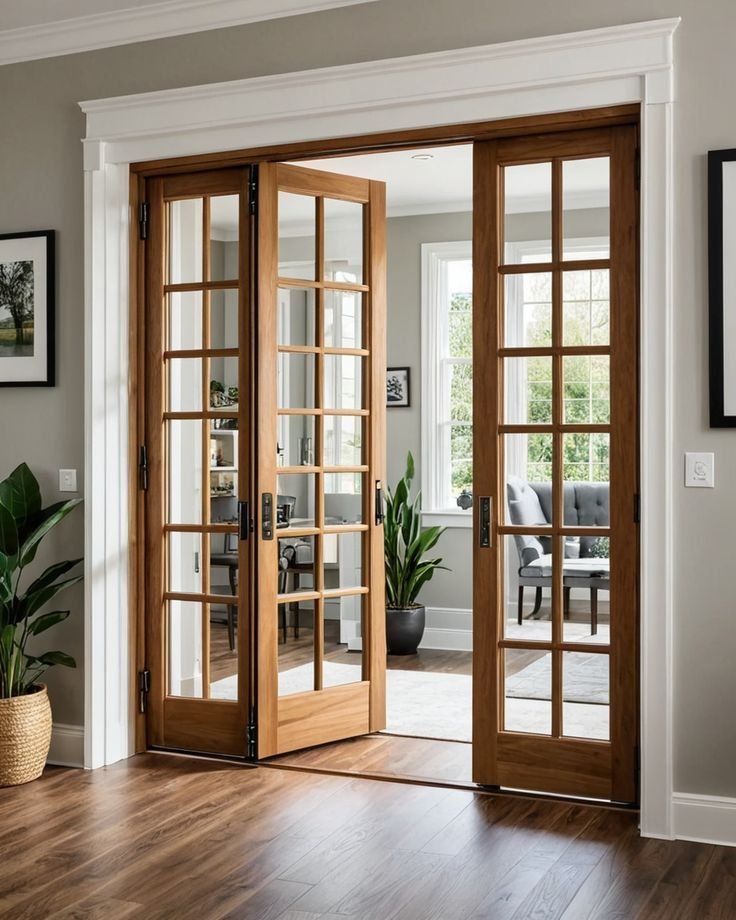
Not all glazed interior doors look the same, and understanding the range of available styles helps homeowners select an option that matches their home’s existing character. Traditional designs feature multiple small panes divided by wooden muntins, echoing the historic look that originated in European estates. This style works particularly well in older homes, farmhouses, and traditional-style residences where intricate millwork and classic proportions are already part of the design language.
On the other end of the spectrum, contemporary versions often feature large single panes of glass with minimal or no muntins, paired with slim black or matte metal frames that create a striking, industrial-inspired look. This variation has become especially popular in modern lofts, minimalist homes, and renovated spaces where clean lines take precedence over ornamentation. There are also frosted, textured, or fluted glass options that soften the view between rooms while still allowing light to pass through, giving homeowners a middle ground between full transparency and complete privacy. Choosing among these variations often comes down to matching the door’s visual weight and detailing with the overall architectural style of the home.
Choosing the Right Material for Your Interior French Doors
Material selection plays a major role in both the appearance and long-term performance of any glazed door installation. Solid wood remains a popular choice because it offers a warm, authentic look and can be stained or painted to match nearly any interior scheme. Species like pine, oak, and mahogany each bring their own grain pattern and durability profile, allowing homeowners to select a material that fits their budget while still achieving a refined, custom appearance that ages gracefully over time.
For those seeking a more budget-friendly or low-maintenance alternative, composite and engineered wood doors provide a similar look at a lower price point, often with better resistance to warping caused by humidity changes common in bathrooms or basements. Metal-framed options, particularly steel and aluminum, have also surged in popularity thanks to their slim profiles and industrial aesthetic, which pairs beautifully with modern farmhouse and loft-style interiors. When comparing materials, it helps to think about the specific room where the door will be installed, since humidity, foot traffic, and exposure to sunlight can all influence which material will perform best over the years.
Glass Options and Their Impact on Light and Privacy
The glass itself is arguably the defining feature of this door style, and the type selected has a major impact on how much light and visibility passes between connected rooms. Clear glass offers maximum transparency and allows the most natural light to travel through the space, making it an excellent choice for areas where an open, connected feeling is the priority, such as between a living room and a sunroom or a kitchen and a dining area.
For spaces that require a bit more discretion, such as a home office, bathroom, or bedroom, frosted, seeded, or reeded glass options provide a beautiful compromise. These textured glass styles diffuse light while obscuring direct sightlines, so the room still benefits from brightness without feeling fully exposed. Some homeowners also opt for decorative glass patterns, including etched designs or leaded accents, which add a layer of artistic detail while still preserving the essential light-sharing function that makes this door style so desirable in the first place. Selecting the right glass type is ultimately about balancing openness with the specific privacy needs of each individual room.
Best Rooms and Spaces to Install Interior French Doors
While these doors can technically be installed almost anywhere inside a home, certain rooms benefit more dramatically from the added light and visual connection they provide. Home offices are a particularly popular choice, since the doors allow a person to close off the space for focus and video calls while still maintaining a visual link to the rest of the home, preventing the isolated feeling that a solid door can sometimes create in a converted room or nook.
Living rooms, dining rooms, and formal parlors also make excellent candidates, especially in homes where these spaces are used only occasionally and benefit from being closed off during everyday living while still being visually accessible. Primary bedroom suites often use this door style to separate a sitting area or reading nook from the sleeping quarters, and even closets or pantries can be upgraded with a glazed pair to add a boutique style touch. In each of these applications, the shared goal remains the same creating flexible separation without sacrificing the light and openness that make a home feel larger and more inviting.
Interior French Doors vs Other Door Types
When weighing renovation options, it helps to understand how this style compares to alternatives like traditional solid doors, pocket doors, and barn style sliding doors. Solid doors offer the most privacy and sound insulation, making them the right choice for bedrooms or bathrooms where full separation is a priority, but they block light entirely and can make small connecting spaces feel closed and cramped, especially in homes with limited natural light sources.
Pocket doors and barn doors, meanwhile, are excellent space-saving solutions since they slide rather than swing, but they typically lack the glazing that allows light to pass through, meaning they don’t offer the same brightness benefits. This is where the glazed swinging door style truly stands apart, since it uniquely combines the light sharing advantage of an open floor plan with the functional separation of a traditional hinged door. For homeowners trying to strike a balance between openness and privacy, interior french doors frequently emerge as the preferred solution precisely because no other door category offers quite the same combination of features.
Installation Considerations and Professional Tips
Installing this type of door pair is more involved than hanging a standard single door, largely because it requires precise alignment between two panels to ensure they close evenly and seal properly against each other. Homeowners should budget for a slightly larger opening than what a standard door might require, since the combined width of both panels plus the frame needs to fit within the available wall space. Consulting with a contractor early in the planning process helps avoid costly surprises once demolition begins, particularly in older homes where wall framing may not be perfectly square.
Another important consideration involves the swing direction and clearance needed for both panels to open fully without colliding with furniture, light fixtures, or adjacent doorways. In tighter spaces, some homeowners opt for a hybrid approach where one panel remains fixed while the other swings open, preserving the classic aesthetic while reducing the amount of clearance required. Professional installers can also advise on proper weatherstripping and hardware choices, such as flush bolts and astragals, which help the two panels seal together securely and prevent drafts or light gaps when the doors are closed.
Maintenance and Longevity of Interior French Doors
Because these doors combine glass and framing materials, ongoing maintenance looks a little different compared to a standard solid door. Glass panels should be cleaned regularly with a non-abrasive cleaner to avoid scratching, and homeowners should periodically inspect the seals around each pane to catch any cracking or deterioration before moisture can seep in and damage the surrounding frame material, particularly important in humid climates or rooms adjacent to bathrooms and kitchens.
Wood-framed versions benefit from occasional refinishing, whether that means reapplying a protective sealant or simply touching up paint in high traffic areas where hands and hardware naturally cause wear over time. Hinges and other hardware should be checked annually for looseness, since the added weight of glass panels can put more strain on fasteners than a typical solid door. With consistent care, a quality installation of interior french doors can easily last several decades, and many homeowners find that the investment in proper maintenance pays off through both improved function and preserved resale value.
Cost Factors and Budgeting Tips
Pricing for this door style varies considerably depending on material, glass type, size, and whether the doors are purchased pre-hung or require custom framing. Budget-friendly composite options with basic clear glass can be significantly more affordable than solid wood doors featuring divided-light muntins or decorative glass patterns, so homeowners should establish a clear budget range before beginning to shop in order to narrow down realistic choices without becoming overwhelmed by the sheer variety available on the market.
Labor costs also play a meaningful role in the total project price, since installation typically takes longer than a standard single door replacement due to the need for precise alignment and additional hardware. Homeowners renovating an older home may also encounter unexpected costs related to widening an existing doorway or reinforcing the surrounding wall structure to accommodate the new opening. Getting multiple quotes from licensed contractors and asking for a detailed breakdown of material versus labor costs can help avoid surprises and ensure the final investment aligns with the intended budget for the overall renovation project.
Enhancing Home Value and Aesthetic with French Doors
Beyond their functional benefits, these glazed door installations are widely recognized by real estate professionals as a feature that can meaningfully boost a home’s perceived value. Prospective buyers often respond positively to the sense of openness and natural light that this door style creates, particularly in homes where certain rooms might otherwise feel disconnected or dim. Real estate listings frequently highlight the presence of this feature as a selling point, reflecting how much buyers value the blend of classic charm and modern flexibility it provides.
From a purely aesthetic standpoint, the addition of glazed doors introduces an architectural focal point that draws the eye and adds a sense of intentional design to a room. Even homeowners who aren’t planning to sell anytime soon often report that the visual upgrade makes daily living feel more elevated, since the doors add texture, dimension, and a touch of classic sophistication that complements nearly any interior design style, from farmhouse to transitional to modern minimalist. This combination of tangible resale benefits and everyday enjoyment makes the investment particularly appealing to a wide range of homeowners.
Common Mistakes to Avoid When Choosing French Doors
One of the most frequent errors homeowners make is failing to account for furniture placement and traffic flow before finalizing the door’s swing direction, which can result in awkward clearance issues once the doors are installed and daily life resumes. It’s worth spending extra time mapping out how the space will actually be used, including where furniture will sit and how people will move through the room, before committing to a final configuration that might be difficult or expensive to change later.
Another common mistake involves underestimating the importance of glass selection for privacy needs, leading some homeowners to install clear glass in a space like a home office or bedroom where a bit more discretion would have been preferable. Skipping professional measurements is another pitfall, since even small inaccuracies in an opening’s dimensions can lead to gaps, uneven closing, or doors that don’t sit flush against each other. Taking the time to plan thoughtfully around swing direction, glass type, and precise measurements helps ensure the finished installation performs beautifully for years to come rather than becoming a source of ongoing frustration.
Conclusion
Choosing the right door style for a home renovation involves weighing privacy needs, light requirements, budget and overall aesthetic goals and few options manage to balance all of these considerations as gracefully as a glazed pair of hinged doors. From their centuries old European origins to their modern resurgence in open concept American homes, this design has proven remarkably adaptable, fitting comfortably into traditional, transitional and contemporary interiors alike. The wide range of available materials, glass types, and finishes means there is truly an option suited to nearly every home and every budget.
Ultimately, the decision to install interior french doors comes down to recognizing the unique value they bring the ability to divide a space functionally while still preserving the visual connection and natural light that make a home feel warm and expansive. Homeowners who take the time to plan carefully, choosing the right material, glass style, and professional installer, will likely find that this investment pays dividends both in daily enjoyment and long-term property value, making it one of the more rewarding upgrades available for nearly any residential renovation project.
FAQs
What is the typical price range for a pair of interior french doors?
Prices generally range from a few hundred dollars for basic composite models with clear glass to well over a thousand dollars for solid wood doors with custom glazing, decorative muntins, or premium hardware, not including installation labor.
Can these doors be installed in a standard doorway without modification?
In many cases, yes, especially if the existing opening matches standard sizing, but older homes or narrower openings may require some framing adjustments to accommodate the combined width of both door panels.
Do glazed interior doors provide any soundproofing benefits?
They offer significantly less sound insulation than solid doors due to the glass panels, though adding weatherstripping and thicker glass can help reduce noise transfer to some degree without fully eliminating it.
What is the best glass type for a home office application?
Frosted or reeded glass tends to work best in home offices since it allows light to pass through while obscuring direct sightlines, offering a helpful balance between brightness and visual privacy during work hours.
How do I maintain the glass and frame over time?
Regular cleaning with a non-abrasive glass cleaner, periodic hardware checks, and occasional refinishing of wood frames will keep the doors functioning smoothly and looking their best for many years.
Are these doors a good option for small homes or apartments?
Yes, they are particularly effective in smaller spaces because the glass panels allow light to travel between rooms, helping compact layouts feel more open and less confined than solid door alternatives would.
Do these doors add value when selling a home?
Real estate professionals often note that buyers respond favorably to the light and openness this door style provides, making it a feature that can positively influence a home’s perceived value during resale.