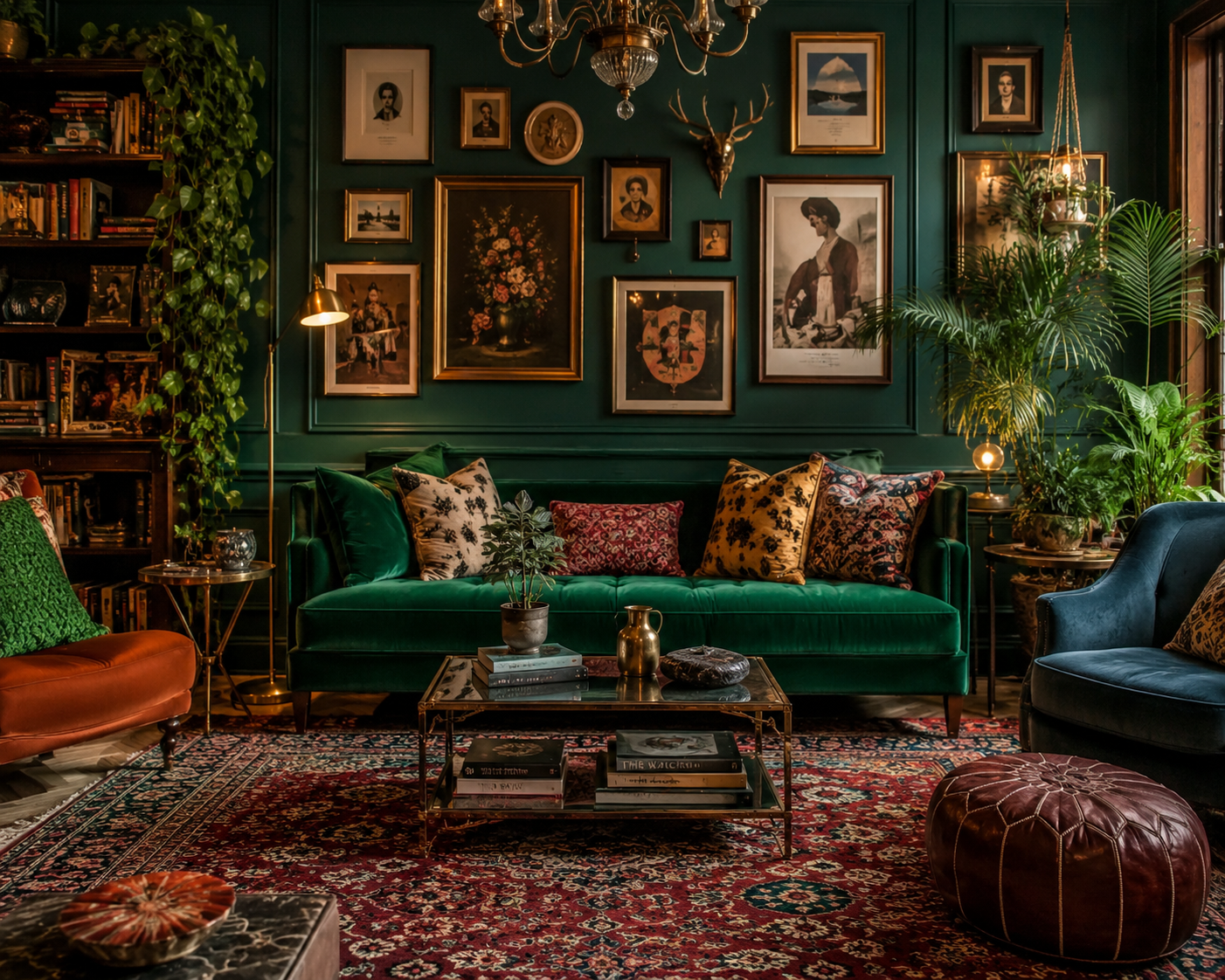
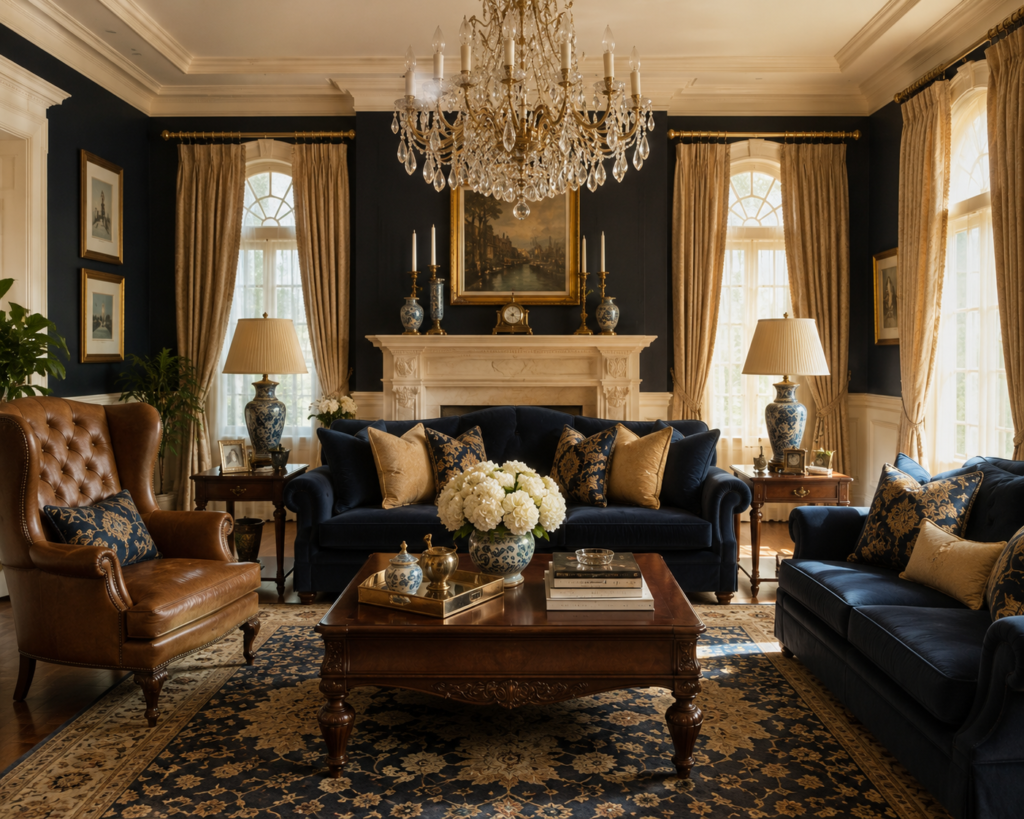

Walk into a home filled with rich wood furniture, elegant drapery, and carefully balanced symmetry, and you are likely standing inside a space shaped by traditional interior design. It is one of the most enduring and recognizable design styles in the world, yet many homeowners struggle to define exactly what separates it from other popular aesthetics like modern, contemporary, or farmhouse design. Understanding what traditional interior design actually means can help you decide whether it fits your lifestyle, and more importantly, how to bring its timeless warmth into your own home without making it feel outdated or overly formal.
This guide breaks down everything you need to know about this classic decorating style, from its historical roots to the specific furniture, colors, and layout principles that define it today. Whether you are renovating a single room or planning an entire home, understanding the core philosophy behind this style will help you make design choices that feel cohesive, comfortable, and genuinely timeless rather than trend-driven. By the end of this article, you will have a clear, practical understanding of what traditional interior design is, how it differs from other popular styles, and how you can apply its principles in a way that suits modern living, whether you are working with a full budget or simply looking for small, meaningful updates.
What Is Traditional Interior Design?
Traditional interior design refers to a decorating style that draws inspiration from classic European decor of the 18th and 19th centuries, blending elements of French and English design sensibilities into a cohesive, elegant aesthetic. It emphasizes order, symmetry, and refined detail, favoring rich wood tones, ornate furniture silhouettes, and carefully curated accessories over minimalist or experimental design choices. At its heart, this style values comfort and familiarity, creating spaces that feel established, welcoming, and quietly luxurious rather than flashy or trend-chasing.
Unlike design styles that constantly reinvent themselves, this design philosophy has remained largely consistent in its core principles for decades, which is part of why it continues to appeal to homeowners who want a space that will not feel dated in five or ten years. It is often associated with formal living rooms, wood-paneled studies, and dining rooms anchored by substantial furniture pieces, though it can be adapted to nearly any room in the home, from a cozy reading nook to a grand entryway. The style tends to prioritize craftsmanship and quality materials, reflecting a design philosophy rooted in permanence rather than disposability, which is one reason so many families continue to pass down furniture pieces from this tradition across generations.
The History and Origins of Traditional Interior Design
To fully understand this classic decorating tradition, it helps to look at where it came from. Much of its visual language traces back to European decorative traditions, particularly 18th-century English and French interiors, which favored ornate furniture, elaborate moldings, and richly patterned textiles as symbols of status and refinement. Wealthy households of that era filled their homes with carved wood furniture, gilded accents, and heavy draperies, elements that continue to echo through traditional design today, even in more understated modern interpretations. Craftsmen of the period often spent months on a single piece of furniture, an approach to quality that still influences how traditional furniture is valued and constructed today.
As this design language crossed into American homes, particularly during the colonial and post-colonial periods, it absorbed regional influences while retaining its core emphasis on symmetry, formality, and craftsmanship. Over the following centuries, this decorating approach became strongly associated with a sense of heritage and stability, often passed down through families alongside antique furniture pieces and heirloom decor. This historical continuity is part of why the style still feels relevant today, since it was never built around fleeting trends but rather around principles of balance and quality that have proven durable across generations, surviving countless shifts in broader design fashion.
Key Characteristics of Traditional Interior Design
Furniture Style and Silhouettes
Traditional furniture tends to feature curved lines, carved wood details, and substantial proportions that convey a sense of permanence and craftsmanship. Pieces like wingback chairs, Chesterfield sofas, and claw-foot tables are hallmark examples of this style, often made from dark or medium-toned woods such as mahogany, cherry, or walnut. Rather than sleek, minimalist forms, traditional furniture embraces detail, from decorative molding along cabinet edges to tufted upholstery on seating pieces.
Matching or coordinated furniture sets are also common within this style, reinforcing the sense of order and intentional design that defines traditional interiors. This does not mean every piece needs to match perfectly, but there is generally a clear visual relationship between furniture pieces in terms of wood tone, silhouette, or upholstery style. This coordinated approach contrasts with more eclectic or maximalist styles that intentionally mix mismatched pieces for visual interest.
Color Palettes and Patterns
This decorating style typically favors warm, muted color palettes, including deep reds, forest greens, navy blues, and warm neutrals like cream, beige, and soft gold. These colors are often applied in layered combinations rather than bold, single-color statements, creating a sense of depth and richness throughout a room. Walls are frequently painted in soft, sophisticated tones, while furniture and textiles introduce deeper, more saturated colors as accents, allowing the overall palette to feel cohesive without becoming monotonous.
Pattern plays a significant role as well, with florals, damask, plaid, and stripes appearing frequently on upholstery, drapery, and area rugs. These patterns are usually classic rather than bold or abstract, reinforcing the style’s connection to historical decorative traditions. Layering multiple patterns within a coordinated color scheme is a hallmark technique in traditional design, though it requires a careful balance to avoid feeling visually overwhelming.
Fabrics and Textiles
Rich, high-quality fabrics are central to achieving an authentic traditional look. Materials like velvet, silk, brocade, and heavy cotton appear throughout traditional interiors, from upholstered furniture to floor-length drapery panels. These textiles are chosen not just for appearance but for their tactile quality, contributing to the layered, comfortable feeling that defines the style.
Window treatments deserve particular attention within traditional design, since elaborate drapery, often paired with valances or swags, is one of the most recognizable elements of the style. These treatments are typically floor-length and framed with decorative rods or tiebacks, adding a sense of formality and completeness to a room that simpler blinds or curtains cannot replicate on their own.
Symmetry and Balance
Perhaps the most defining structural principle of this decorating style is symmetry. Furniture arrangements, artwork placement, and even lighting fixtures are typically arranged in balanced, mirrored configurations, such as matching lamps flanking a sofa or paired armchairs positioned across from one another. This emphasis on symmetry creates a sense of calm, order, and formality that distinguishes traditional spaces from more asymmetrical, free-flowing modern layouts, and it is often the single easiest principle for beginners to apply successfully in their own homes.
This principle extends beyond furniture placement into architectural details as well, including evenly spaced windows, centered fireplaces, and balanced built-in shelving. When done well, this symmetrical approach creates rooms that feel intentional and harmonious, guiding the eye naturally through the space rather than creating visual tension or imbalance.
Materials and Craftsmanship
Quality materials sit at the heart of this decorating tradition, and it is one of the clearest ways to distinguish an authentic traditional piece from a mass-produced imitation. Solid hardwoods, hand-carved detailing, and joinery techniques like dovetail or mortise and tenon construction are commonly found in genuine traditional furniture, reflecting a level of craftsmanship built to last for decades rather than a few years of casual use. This focus on durability is part of why traditional furniture is often passed down as an heirloom rather than replaced.
Metal finishes also play a supporting role, with brass, bronze, and aged gold hardware appearing frequently on cabinet pulls, lighting fixtures, and decorative accents. These warmer metal tones complement the rich wood furniture and deep color palettes typical of the style, reinforcing a cohesive, polished look throughout a space. Choosing consistent metal finishes across a room, rather than mixing several contrasting metals, helps maintain the sense of order and intentionality that defines traditional interiors.
Common Mistakes to Avoid
One of the most frequent mistakes homeowners make when attempting this style is over-filling a room with too many ornate pieces at once, which can quickly tip a space from elegant into cluttered. Traditional design relies on careful curation, not maximalism, so it helps to select a handful of quality statement pieces rather than filling every surface with decorative objects. Restraint, paired with intentional symmetry, is often what separates a polished traditional room from one that feels chaotic or dated.
Another common misstep involves ignoring scale and proportion relative to the size of a room. Oversized furniture pieces that work beautifully in a large formal living room can feel overwhelming in a smaller space, making the room feel cramped rather than inviting. Taking accurate measurements before purchasing furniture, and considering lighter wood tones or smaller-scale pieces for compact rooms, can help preserve the elegance of the style without sacrificing everyday livability.
Traditional vs Other Interior Design Styles
Understanding this classic decorating style often becomes clearer when comparing it directly to other popular styles. Modern and contemporary design, for example, favor clean lines, minimal ornamentation, and neutral color palettes with occasional bold accents, standing in fairly sharp contrast to traditional design’s emphasis on detail and warmth. While modern design often celebrates open, uncluttered spaces, traditional interiors tend to feel more layered and curated, prioritizing comfort and visual richness over stark simplicity.
Transitional design, meanwhile, sits somewhere between traditional and contemporary styles, blending classic furniture silhouettes with simpler color palettes and cleaner lines than fully traditional spaces. This makes transitional design a popular choice for homeowners who appreciate traditional comfort but want a slightly more updated, versatile look. Farmhouse and rustic styles differ as well, leaning into distressed finishes and casual textures rather than the polished, formal craftsmanship that defines traditional interiors. Recognizing these distinctions can help homeowners choose the style, or thoughtful blend of styles, that best matches their personal taste and lifestyle needs.
Popular Elements Found in Traditional Interiors
Certain decorative elements appear consistently across this design tradition, helping reinforce its distinctive character. Crown molding, wainscoting, and coffered ceilings are common architectural features, adding depth and craftsmanship to walls and ceilings that might otherwise feel plain. These details are often painted in soft neutral tones to complement the richer colors used elsewhere in the room, creating a subtle backdrop that lets furniture and textiles take center stage visually.
Accessories also play an important role, with items like antique mirrors, framed artwork in classic subjects, decorative urns, and formal table settings frequently used to complete a traditional space. Area rugs with intricate patterns, often in Persian or Oriental styles, are another recurring element, grounding furniture arrangements while reinforcing the layered, textured quality that defines the aesthetic. Lighting fixtures, including crystal chandeliers and brass sconces, further contribute to the polished, formal atmosphere associated with traditional interiors.
How to Achieve Traditional Interior Design in Your Home
Bringing this classic decorating style into your own home does not necessarily require a complete renovation or an unlimited budget. Start by selecting a warm, cohesive color palette for your walls and larger furniture pieces, then layer in patterned textiles through throw pillows, drapery, or area rugs to introduce visual interest without overwhelming the space. Choosing a few statement furniture pieces, such as a wingback chair or a carved wood coffee table, can anchor a room in traditional style even if the rest of your furniture is simpler, giving you room to build out the aesthetic gradually over time as your budget allows.
Paying attention to symmetry is one of the most cost-effective ways to strengthen a traditional look, since rearranging existing furniture and accessories into balanced, mirrored configurations costs nothing but effort. Adding architectural details like crown molding or wainscoting, where budget allows, can significantly elevate a space, though even smaller touches like matching table lamps or a well-chosen area rug can meaningfully shift a room toward this classic aesthetic. The key is layering these elements gradually rather than trying to achieve a fully finished traditional look all at once.
Room-by-Room Traditional Design Ideas
Living Room
The living room is often where this decorating style is most fully expressed, typically anchored by a substantial sofa or sectional in a rich, solid color, paired with accent chairs featuring classic silhouettes like wingbacks or tufted armchairs. A coffee table with carved wood detailing, layered area rugs, and coordinated table lamps help complete the symmetrical, curated look that defines the style. Artwork is usually framed formally and hung at a consistent height to reinforce the room’s sense of order, while a fireplace, when present, often serves as the natural focal point around which the rest of the furniture is arranged.
Bedroom
In bedrooms, traditional design often centers around an upholstered or four-poster bed frame, dressed with layered bedding in coordinated patterns and rich textiles like velvet or damask. Matching nightstands and table lamps positioned symmetrically on either side of the bed reinforce the balanced feel central to the style, while heavier drapery on windows adds warmth and formality to the overall atmosphere.
Dining Room
Dining rooms in traditional homes typically feature a solid wood table paired with upholstered or carved wood chairs, often centered beneath a chandelier for both function and visual impact. A china cabinet or sideboard frequently completes the room, providing both storage and a surface for displaying formal dinnerware or decorative accessories that reinforce the room’s classic, established character.
Pros and Cons of Traditional Interior Design
This decorating style offers several distinct advantages, particularly for homeowners who value timeless style over rapidly changing trends. Because its core principles have remained consistent for decades, rooms designed in this style tend to age gracefully rather than feeling immediately dated the way trend-driven decor sometimes can. The style also lends itself well to incorporating heirloom furniture or antiques, making it a practical choice for homeowners who want to preserve sentimental pieces within a cohesive design scheme, rather than feeling pressured to replace them to match a more minimalist look.
That said, traditional interior design is not without its challenges. The style can feel overly formal or heavy if not balanced carefully, particularly in smaller spaces where dark wood furniture and rich colors may feel overwhelming rather than cozy. Achieving an authentic look with high-quality materials and detailed craftsmanship can also come at a higher cost compared to more minimalist design approaches that rely on simpler furniture forms and fewer decorative accents. Homeowners considering this style should weigh these tradeoffs against their personal taste, budget, and the specific proportions of their space.
Tips for Blending Traditional Design With Modern Living
Many homeowners today choose to soften this classic decorating style with subtler, more contemporary touches, creating a space that feels timeless without becoming overly formal. This might involve pairing traditional furniture silhouettes with a slightly more neutral, muted color palette, or mixing in simpler, cleaner-lined pieces alongside more ornate furniture to prevent the room from feeling overly matched. This kind of blending is often what defines the popular transitional design aesthetic, which continues to grow in popularity among homeowners who want warmth without excessive formality.
Lighting choices can also help modernize a traditional space without sacrificing its core character, such as choosing a simpler chandelier design or incorporating more natural light through updated window treatments. Ultimately, the goal for many homeowners is not to recreate a historical interior exactly, but to borrow the warmth, craftsmanship, and balanced structure of traditional design while adapting it to fit contemporary lifestyles and personal preferences.
Frequently Asked Questions
What is the main difference between traditional and modern interior design?
Traditional interior design emphasizes ornate detail, symmetry, and rich color palettes drawn from classic European decor, while modern design favors clean lines, minimal ornamentation, and simpler, more neutral color schemes.
Is traditional interior design still popular today?
Yes, traditional interior design remains popular, particularly among homeowners who value timeless style, quality craftsmanship, and comfortable, established-feeling spaces over rapidly changing design trends.
What colors are commonly used in traditional interior design?
Common colors include deep reds, forest greens, navy blues, and warm neutrals like cream and soft gold, often layered together to create depth and richness within a room.
Can traditional interior design work in a small space?
Yes, though it requires careful balance. Choosing lighter wood tones, softer color palettes, and fewer oversized furniture pieces can help traditional design feel appropriate in smaller rooms without becoming overwhelming.
What furniture is typically used in traditional interior design?
Common pieces include wingback chairs, Chesterfield sofas, carved wood tables, and upholstered furniture featuring classic silhouettes, curved lines, and rich fabrics like velvet or damask.
What is the difference between traditional and transitional interior design?
Transitional design blends traditional furniture shapes with simpler, more contemporary color palettes and cleaner lines, offering a style that feels less formal than fully traditional interiors while retaining classic comfort.
Do I need expensive furniture to achieve a traditional look?
Not necessarily. While high-quality materials help achieve an authentic look, thoughtful color choices, symmetrical arrangements, and a few key statement pieces can create a traditional aesthetic without requiring an unlimited budget.
Is traditional interior design the same as antique decorating?
Not exactly. While traditional design often incorporates antique or vintage-inspired pieces, it is a broader design philosophy centered on symmetry, warm color palettes, and classic furniture styles rather than exclusively using genuine antiques.
Conclusion
Understanding what traditional interior design truly means goes beyond simply recognizing ornate furniture or rich color palettes. At its core, this style reflects a design philosophy built around balance, craftsmanship, and lasting comfort, drawing from centuries of European decorative tradition while remaining genuinely relevant in homes today. Whether you choose to fully embrace its formal elegance or blend it thoughtfully with more contemporary elements, traditional interior design offers a timeless framework for creating spaces that feel warm, curated, and enduringly stylish, regardless of passing design trends.